Reviewed by Brian St. Pierre, MS, RD, and Helen Kollias, PhD
For many women in their late 40s and early 50s, the transition into menopause is often accompanied by a disorienting sensation: a mental cloudiness that feels as if one’s thoughts are buried under a layer of industrial sludge. This "brain fog"—characterized by an inability to recall simple nouns, a loss of focus, and a persistent, hazy fatigue—is frequently dismissed as a byproduct of aging or the natural stress of midlife. However, for a growing number of women, these symptoms are not mere inconveniences; they are signals of a significant physiological shift that requires medical attention rather than a "grin and bear it" attitude.
The Anatomy of the Menopausal Transition
Menopause is not a disease; it is a biological life stage, a definitive transition marked by 12 consecutive months without a menstrual period. As women move through perimenopause and into their postmenopausal years, the precipitous drop in reproductive hormones, particularly estrogen, triggers a cascade of systemic changes.
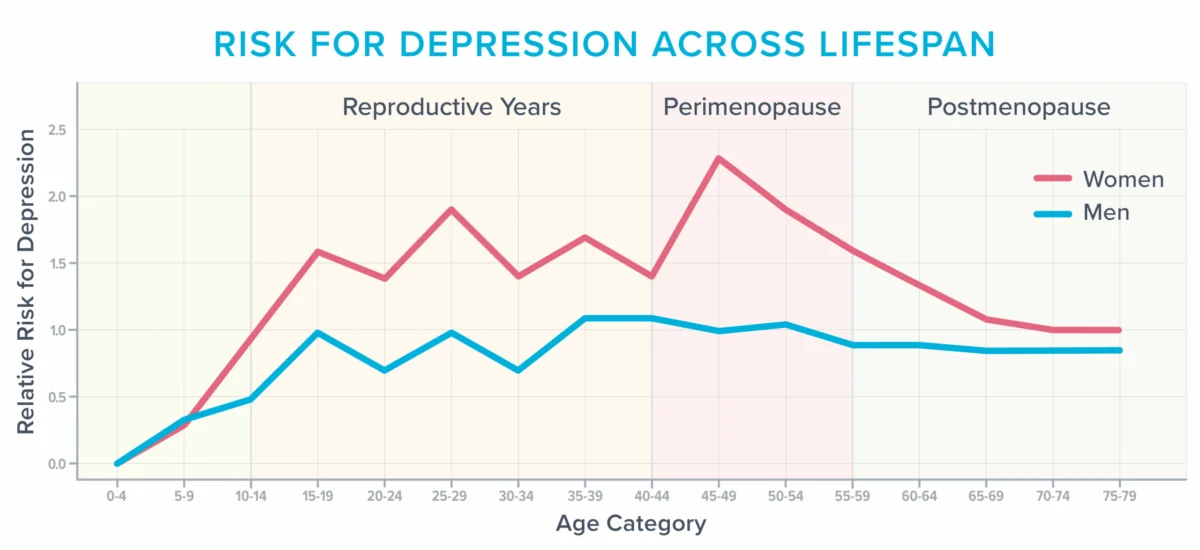
While popular discourse often centers on physical symptoms like hot flashes, weight gain, or decreased libido, the cognitive and emotional toll is equally profound. According to the American College of Obstetricians and Gynecologists, approximately 40 percent of women report increased irritability, anxiety, and significant difficulty concentrating during this phase. Moreover, this period represents one of the most vulnerable windows in a woman’s life for the onset or exacerbation of depression, particularly for those with a prior history of the condition.
Chronology of a Misdiagnosis: A Personal Account
The journey to understanding this cognitive decline is often marred by a "revolving door" of medical consultations that fail to address the root cause. One woman’s experience highlights a common, frustrating pattern:
- The Onset: In her late 40s, the subject began experiencing debilitating "sludginess." Simple tasks, such as naming a restaurant or focusing on a work document, became Herculean efforts.
- The Medical Maze: Over two years, she sought help from three healthcare professionals. She was prescribed various antidepressants and sleep aids, all of which exacerbated her symptoms, leaving her feeling "zombie-like" or heavily sedated. Thyroid panels and anemia tests returned normal, leading to a dead end.
- The Turning Point: A routine gynecological exam proved to be the catalyst. When asked about vaginal dryness, the patient admitted to the pervasive brain fog. The gynecologist connected the dots, identifying the symptoms not as clinical depression, but as manifestations of hormonal depletion.
- The Resolution: Upon beginning a regimen of estradiol and progesterone, the patient reported a near-instantaneous reversal of symptoms. The "switch" was flipped, restoring her ability to work, follow complex conversations, and, crucially, sleep through the night.
Supporting Data: Why "Brain Fog" Is Real
Scientific inquiry into the neurological effects of menopause has moved beyond anecdotal evidence. We now understand that the hallmark symptoms of menopause—vasomotor symptoms like hot flashes and night sweats—are not just heat-related; they are systemic indicators of vascular and neurological change.
The White Matter Connection
Recent studies using magnetic resonance imaging (MRI) have revealed that women who experience frequent hot flashes often exhibit an increased density of "white matter hyperintensities" in the brain. Once dismissed as typical markers of aging, these lesions are now recognized as potential predictors of future cognitive decline. Research indicates that individuals with a high volume of these lesions face a two-fold increase in the risk of dementia and a three-fold increase in the risk of stroke.
Vascular and Sleep Disruption
Hot flashes are driven by the hypothalamus, the brain’s internal thermostat, which reacts to falling estrogen levels by causing sudden, intense fluctuations in blood pressure, heart rate, and temperature. This process creates a "vascular storm" that impacts blood flow to the brain.

Furthermore, the impact on sleep is often misunderstood. Many women do not realize their frequent night-time awakenings are caused by "silent" night sweats—surges of norepinephrine and cortisol that jolt the brain awake before the physical sensation of heat is even fully processed. This chronic fragmentation of sleep prevents the brain from performing vital functions: consolidating memories, metabolizing metabolic toxins, and maintaining the connectivity of the hippocampus.
Official Responses: The "Defensive Medicine" Barrier
Despite the clear physiological evidence, many women struggle to receive appropriate care. This is largely due to two factors: a lack of menopause-specific training in medical school and the practice of "defensive medicine."
The Knowledge Gap
Surveys of medical residents show that 80 percent feel "barely comfortable" discussing menopause, and few residency programs provide dedicated training on the subject. Consequently, clinicians often default to the Patient Health Questionnaire (PHQ-9) to screen for depression. Because the symptoms of menopausal sleep deprivation—fatigue, concentration issues, and loss of interest—overlap significantly with the criteria for depression, many women are misdiagnosed and placed on antidepressants that do not address the underlying hormonal cause.
The Hormone Therapy Debate
The reluctance to prescribe Menopausal Hormone Therapy (MHT) often stems from older, misinterpreted data regarding breast cancer and stroke risks. However, current clinical consensus, as noted by experts like Dr. Jerrold H. Weinberg, suggests that for women under 60 who are within 10 years of menopause onset, the benefits of MHT—including protection against osteoporosis and potentially Alzheimer’s—far outweigh the risks.
Strategic Implications: How to Advocate for Yourself
Navigating the healthcare system during this transition requires proactive advocacy. Patients are encouraged to take the following steps:
- Seek Specialized Care: Look for practitioners certified by the Menopause Society who prioritize this life stage in their practice.
- Document Everything: Use a symptom tracker to record the frequency and severity of hot flashes, sleep interruptions, and cognitive lapses. Data-driven conversations are harder for clinicians to dismiss.
- Engage in Shared Decision-Making: Ask direct questions about the risks and benefits of MHT versus other alternatives. If a doctor refuses to discuss hormones, ask for a referral to someone who specializes in hormonal health.
Lifestyle Strategies for Cognitive Resilience
While medical intervention is often necessary, lifestyle modifications can provide a crucial foundation for managing the transition:
- Creatine Supplementation: Research suggests that 5–7 grams of daily creatine monohydrate can help mitigate mental fatigue and support brain function during periods of sleep deprivation.
- Sunlight Exposure: Aligning your internal clock with morning and late-afternoon sun exposure can significantly improve sleep quality and mood stability.
- Strategic Exercise: While physical activity is essential, high-intensity training can be counterproductive when recovery is impaired. Shift toward moderate, "Zone 2" cardio and gentle movement, such as yoga, to reduce adrenaline spikes before bed.
- Dietary Adjustments: Adopting a MIND or Mediterranean-style diet, rich in nitrates (beets, dark leafy greens), can improve circulation to the brain and support long-term cognitive health.
Conclusion: A New Opportunity
Menopause is, at its core, a moment of profound transformation. While the cognitive and emotional symptoms are real and often disruptive, they also serve as a mandate to re-evaluate one’s life. By stripping away non-essential stressors and focusing on the fundamental pillars of health—sleep, nutrition, and intentional rest—many women find that they can not only manage the transition but emerge with a renewed sense of clarity and purpose. As we continue to break the silence surrounding this life stage, the focus must shift from merely "surviving" menopause to optimizing health and well-being for the decades that follow.