When we contemplate the architecture of a healthy life, our minds almost reflexively turn to a familiar trinity: nutrition, physical exercise, and sleep. We track our macros, obsess over our step counts, and agonize over our circadian rhythms. Yet, buried beneath these pillars lies an often-ignored foundation that may be just as critical to our biological survival: the quality and frequency of our social connections.
As modern life becomes increasingly digitized and fast-paced, the biological imperative for human connection has been relegated to a "nice-to-have" rather than a physiological necessity. However, a growing body of longitudinal research suggests that our relationships are not merely social luxuries; they are fundamental determinants of physical health, cognitive longevity, and emotional resilience.
The Biological Necessity of Connection: Main Facts
At its core, the human species is wired for tribal existence. For millennia, our ancestors survived through cooperative living, and our nervous systems have evolved to perceive social isolation as a threat to safety. When we are disconnected from others, our bodies enter a state of hyper-vigilance, triggering the release of stress hormones like cortisol.
Conversely, meaningful engagement with others acts as a buffer against life’s inevitable stressors. When we interact with trusted friends or family, our physiology responds with the release of oxytocin—the "bonding hormone"—which serves to lower blood pressure, reduce inflammation, and dampen the fight-or-flight response.
The clinical reality is stark: chronic loneliness is now being classified by epidemiologists as a health risk factor on par with smoking 15 cigarettes a day or suffering from clinical obesity. It is not merely a psychological state but a physiological condition that accelerates the aging process and compromises the immune system.
A Chronology of Social Isolation
The trajectory of human connection has undergone a seismic shift over the last half-century. Understanding this timeline helps explain why the "loneliness epidemic" is currently at the forefront of public health discourse.
- 1950s–1970s (The Era of Community): Post-war society was characterized by high levels of civic participation, dense neighborhood networks, and traditional multi-generational living. Social interaction was built into the geography of daily life.
- 1980s–2000s (The Rise of Individualism): The onset of the digital age and the rise of remote suburbanization began to shift the focus toward the individual. Increased mobility meant people moved further away from their familial support systems.
- 2010–2019 (The Digital Paradox): The widespread adoption of smartphones and social media created a veneer of connectivity. While digital communication proliferated, the time spent in face-to-face, deep-engagement settings began a measurable decline.
- 2020–Present (The Catalyst of Change): The global pandemic served as an accelerant for existing trends, forcing a sudden, forced isolation that highlighted the fragility of our social networks. Today, we are in a period of "social recalibration," where public health officials are beginning to emphasize that returning to physical health requires a deliberate return to social health.
Supporting Data: The Quantitative Impact
The evidence linking social health to physical longevity is no longer anecdotal. Decades of peer-reviewed research provide a compelling argument for prioritizing our social calendars as strictly as our gym schedules.
The Longevity Link
Data from the Harvard Study of Adult Development, one of the longest-running studies on human happiness, has consistently shown that the quality of our relationships is the single most important predictor of health and happiness as we age. Participants with strong social ties were found to live longer, report less physical pain, and maintain better cognitive function well into their 80s.
The Disease Correlation
Studies published in The Journal of the American Medical Association and the American Heart Association indicate that socially isolated individuals face a 29% increased risk of coronary heart disease and a 32% increased risk of stroke. The mechanism is believed to be chronic systemic inflammation, which is exacerbated by the persistent stress of loneliness.
The Behavioral Ripple Effect
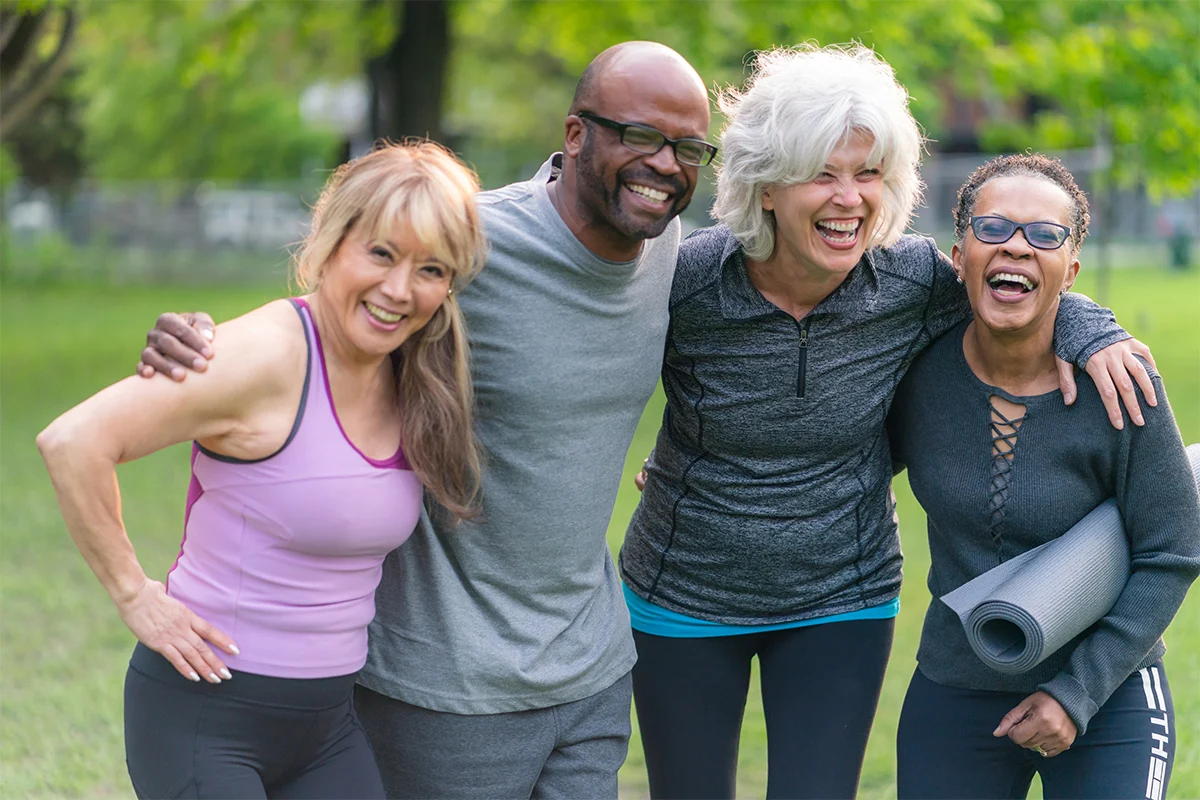
Social connections act as "behavioral catalysts." Data shows that individuals are 40% more likely to maintain a consistent exercise routine if they have a "workout buddy." This is known as the "social contagion of health," where positive behaviors—such as choosing nutritious meals or prioritizing sleep—spread through social networks, effectively lowering the barrier to entry for a healthier lifestyle.
Official Responses and Perspectives
Public health authorities are shifting their stance on social wellness. In 2023, the U.S. Surgeon General, Dr. Vivek Murthy, released a formal advisory on the "Epidemic of Loneliness and Isolation," explicitly calling it a public health crisis.
"Our relationships are a source of healing and well-being hiding in plain sight," Dr. Murthy noted. "They are essential to the health of our bodies, our minds, and our communities."
This shift in official rhetoric marks a departure from purely clinical or pharmaceutical interventions. Instead, experts are advocating for "social prescribing"—a practice where healthcare providers encourage patients to join walking groups, volunteer, or participate in community-based arts programs as a legitimate part of their treatment plan for depression, hypertension, and chronic fatigue.
Implications: Building a "Socially Fit" Life
If social connection is a pillar of health, then we must treat it with the same intentionality as we do nutrition. The implications for the average individual are clear: we must move from passive digital consumption to active, intentional engagement.
Quality Over Quantity
The most frequent misconception is that social wellness requires a massive network. In reality, the quality of a few key relationships far outweighs a large, shallow social circle. The goal is to cultivate a "core group"—a small number of people with whom you can share genuine vulnerabilities, successes, and day-to-day challenges.
Integrating Movement and Connection
One of the most efficient strategies for health optimization is the "dual-benefit approach." Rather than choosing between a workout and a social outing, combine them.
- Walking Meetings: Replace coffee dates with park walks.
- Community Sports: Join local leagues where the focus is on participation rather than elite competition.
- Shared Hobbies: Gardening, hiking, or dance classes create a sense of collective purpose, which is far more sustainable for mental health than solo treadmill sessions.
The Limits of Digital Communication
While technology is a valuable tool for maintenance, it is a poor substitute for the neurobiological benefits of presence. Studies show that face-to-face interaction triggers a "synchrony" in brain activity between people that cannot be replicated via text or video. To truly reap the benefits of social health, we must prioritize "low-tech" time—uninterrupted, screen-free, face-to-face conversations.
Stepping Outside the Comfort Zone
Finally, building social wellness often requires the same "progressive overload" we apply to exercise. It requires the discomfort of trying something new: introducing yourself to a neighbor, attending a community event, or volunteering. These small, brave acts of connection are the "reps" that strengthen our social muscle, making it easier to engage in the future.
Conclusion: The Holistic Path Forward
The path to long-term health is not a solo journey. While it is easy to view ourselves as autonomous units—managing our own diets and fitness regimes—the reality is that we are deeply interconnected biological beings. Our health is, to a significant degree, a reflection of the quality of the company we keep.
By integrating social connection into our daily routines, we unlock a powerful, often overlooked, driver of human performance and happiness. Whether it is a weekly phone call to a parent, a morning walk with a colleague, or joining a local volunteer group, every intentional act of connection serves to buffer us against the stresses of modern life.
Ultimately, the most effective "health hack" available to us is not found in a supplement or a new fitness gadget. It is found in the simple, profound act of looking someone in the eye, listening, and showing up for one another. In a world that is increasingly fragmented, choosing to connect is not just a social gesture—it is an act of radical self-care.