The air we breathe is often discussed in terms of purity—particulate matter, pollutants, and allergens. However, a groundbreaking new study suggests that the "social air" we breathe—the economic and social environment of our neighborhoods—may be just as critical to our long-term respiratory health.
Researchers in Canada have unveiled compelling evidence that where an older adult lives is a powerful predictor of their lung function, independent of traditional risk factors like smoking history or medical background. This study, published in the European Respiratory Journal, moves the conversation about lung health away from individual biology and toward the structural determinants of health, suggesting that geography is, in many ways, destiny.
Main Facts: The Intersection of Environment and Biology
For decades, medical professionals have focused on individual-level interventions to combat respiratory disease: smoking cessation programs, inhaler therapies, and vaccinations. While these remain essential, the Canadian Longitudinal Study on Lung Health (CanCOLD) has identified a significant "neighborhood effect."
The study investigated 1,449 participants across nine Canadian cities, tracking their respiratory health over a three-year period. By utilizing the "Material and Social Deprivation Index," researchers categorized residential areas based on a composite score of income, employment rates, education levels, and social support systems.
The core finding is stark: residents of neighborhoods characterized by high material and social deprivation—areas with lower economic resources and fewer social support structures—consistently demonstrated poorer lung function and reduced exercise capacity compared to their peers in more affluent or socially integrated areas. Crucially, these disparities persisted even when researchers controlled for age, smoking status, and pre-existing chronic conditions, suggesting that the environment itself acts as a direct driver of respiratory decline.
Chronology: A Three-Year Longitudinal Deep Dive
The CanCOLD study was designed as a robust, longitudinal analysis to ensure that the findings were not merely a snapshot in time, but a reflection of a sustained process.
Phase I: Recruitment and Baseline (Year 0)
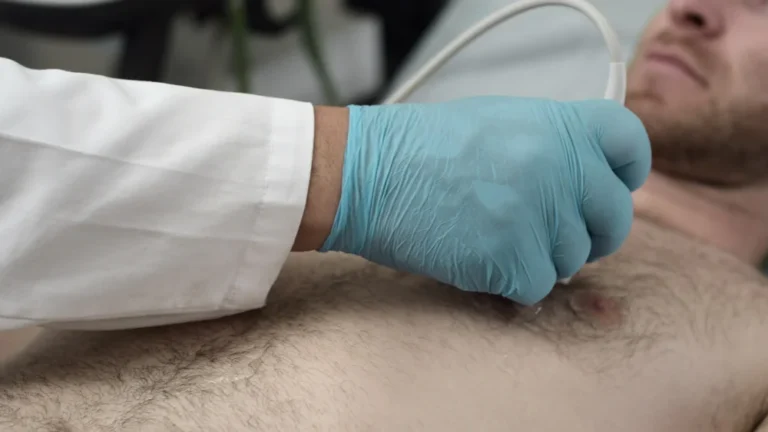
Researchers recruited a diverse cohort of 1,449 adults from nine major urban centers across Canada. At the start of the study, every participant underwent a comprehensive battery of tests to establish a baseline. This included spirometry (to measure how much air the lungs can hold and how quickly it can be exhaled), exercise capacity tests, and rigorous interviews regarding their medical and social histories.
Phase II: The Longitudinal Tracking (Years 1–3)
Over the subsequent three years, participants were monitored through repeated health assessments. Unlike cross-sectional studies that provide only a static view of health, this longitudinal approach allowed the researchers to observe the rate of change in lung function.
Phase III: The Analysis (Year 4)
In the final phase, researchers cross-referenced the longitudinal health data with the Material and Social Deprivation Index of the participants’ residential postal codes. This allowed the team to map health trajectories against the socio-economic topography of the cities involved, revealing that the rate of lung function decline was significantly accelerated in neighborhoods with high deprivation scores.
Supporting Data: The Quantitative Evidence
The data suggests that the impact of one’s environment is measurable and statistically significant. While the study found no clear differences in outcomes like CT scan abnormalities or acute death rates between the groups, the functional impact was profound.
- Lung Function Decline: Participants living in disadvantaged areas showed a steeper, more rapid decline in forced expiratory volume (FEV1) over the three-year period. This suggests that the environment may be accelerating the natural aging process of the lungs.
- Exercise Capacity: The study utilized standardized tests to measure how long and how well participants could engage in physical activity. Those in lower-resource neighborhoods demonstrated lower peak performance, which is often a proxy for cardiovascular and respiratory health integration.
- Persistent Disparities: Perhaps the most significant data point is the "adjusted" model. Even after statisticians accounted for individual variables—such as whether a person had ever smoked or if they suffered from asthma—the neighborhood deprivation factor remained a statistically significant negative predictor of health. This implies that the environment is not just an indicator of individual poverty, but a mechanism of harm in its own right.
Official Perspectives and Expert Interpretation
The scientific community has greeted these findings as a pivot point for public health policy. Dr. Jean Bourbeau, a senior researcher involved in the CanCOLD study, notes that the findings shift the burden of health from the patient to the policymaker.
"We have spent years telling patients that their lung health is a product of their choices and their genetics," says a study co-author. "While that is partially true, we must now acknowledge that we are also products of our environment. A patient in a ‘deprived’ neighborhood faces a ‘social toxic load’ that impacts their biology before they even step outside to inhale the air."
Public health experts argue that the study highlights a "syndemic"—a situation where biological vulnerabilities are exacerbated by social and environmental conditions. If a neighborhood lacks green spaces, has high levels of traffic-related air pollution, or suffers from chronic stress due to economic instability, the respiratory system is essentially under constant, low-grade siege.
Implications: A New Framework for Public Health
The implications of this research are far-reaching, demanding a fundamental change in how we approach respiratory care and urban planning.
1. Moving Beyond the Clinic
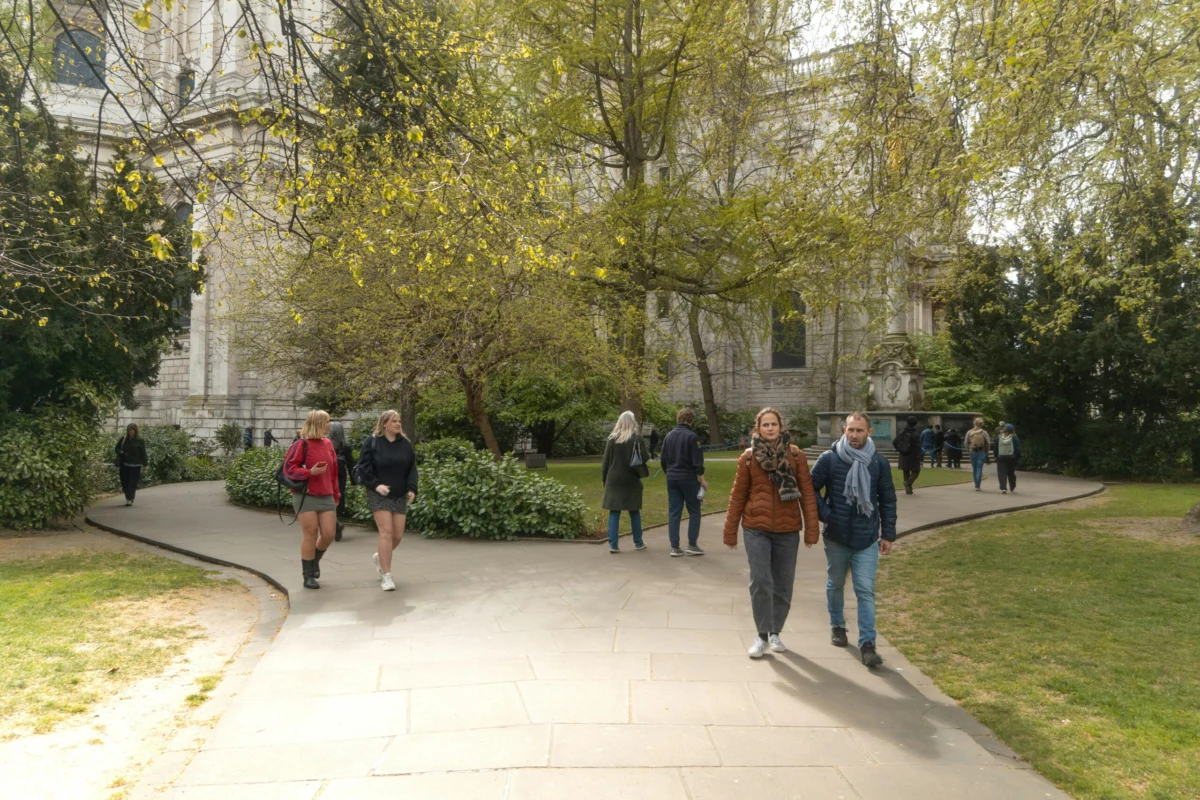
If neighborhood conditions contribute to lung decline, then clinical medicine alone cannot solve the problem. Public health interventions must be integrated into urban development. This includes prioritizing "lung-healthy" urban design: creating more pedestrian-friendly zones to reduce localized traffic emissions, expanding urban canopy cover to filter air, and investing in community centers that foster the social ties which have been shown to buffer against the negative effects of economic deprivation.
2. Targeted Public Health Approaches
Health authorities can use the Material and Social Deprivation Index as a tool for "geospatial triage." By identifying neighborhoods with the highest deprivation scores, health systems can deploy mobile screening units, launch targeted smoking cessation programs, and increase the availability of specialized respiratory care in these areas.
3. The Need for Further Research
The study acknowledges that while the correlation is clear, the exact "mechanisms of harm" require further investigation. Is it the psychological stress of poverty causing inflammation? Is it the micro-environment of substandard housing? Or is it the lack of access to healthy food and safe exercise spaces? Future studies will need to delve deeper into these mediators to design precise policy interventions.
Conclusion: Bridging the Gap
The ERJ paper, The Impact of Neighborhood Material and Social Disadvantage on Respiratory Health Across Canada, serves as a clarion call. It reminds us that health equity is not just about access to doctors; it is about the fairness of the spaces we inhabit.
As we look toward the future of global health, the focus must shift from the individual to the collective. By recognizing that neighborhoods are not just backdrops for our lives but active participants in our physiological health, we can begin to build cities that protect, rather than compromise, the breath of their citizens.
The evidence is in: lung health is not just an individual responsibility; it is a community infrastructure project. Ensuring that every citizen, regardless of their zip code, lives in an environment that supports, rather than hinders, their respiratory vitality is the next great challenge for 21st-century medicine.
Reference:
The Impact of Neighborhood Material and Social Disadvantage on Respiratory Health Across Canada, European Respiratory Journal. DOI: 10.1183/13993003.01739-2025