


For decades, the promise of plant-derived compounds—ranging from the vibrant yellow of curcumin to the bitter extracts of medicinal herbs like berberine—has fueled a multi-billion-dollar nutraceutical industry. Touted for their potential anti-inflammatory and anticancer properties, these substances are often perceived by the public as "naturally safe." However, a rigorous new study conducted by a collaborative team from Wroclaw Medical University and the University of Wroclaw serves as a sobering reminder: biological potency does not equate to clinical safety.
The research, which meticulously evaluated five natural compounds against both malignant fibrosarcoma cells and healthy muscle tissue, suggests that the path to developing effective, non-toxic cancer therapies requires a much more nuanced understanding of cellular metabolism than previously assumed.
The Quest for Selective Precision: Understanding the NF-κB Pathway
At the heart of the researchers’ investigation is the NF-κB (nuclear factor kappa-light-chain-enhancer of activated B cells) signaling pathway. In the complex architecture of human biology, NF-κB functions as a master switch, integrating diverse stress signals to regulate inflammation, cellular metabolism, and survival.
"NF-κB acts like a central control switch that integrates cellular stress signals and determines whether a cell activates inflammatory pathways, fights for survival, or changes its metabolism," explains Prof. Julita Kulbacka, a lead researcher from the Department of Molecular and Cellular Biology at Wroclaw Medical University.
In the context of oncology, the NF-κB pathway is often a villain. Cancer cells frequently hijack this signaling mechanism to survive under the harsh, nutrient-deprived conditions of a tumor microenvironment. Consequently, many researchers have sought ways to inhibit this pathway to render cancer cells vulnerable. However, the Wroclaw team emphasizes a critical caveat: NF-κB is also vital for the maintenance and repair of healthy cells. A "scorched earth" approach that eliminates NF-κB activity entirely would be catastrophic for the patient. The ideal therapeutic strategy, therefore, is not total inhibition, but rather a controlled, selective modulation that targets the pathway’s hyper-activity in cancer cells while sparing its essential functions in healthy tissue.
The Five Candidates: A Comparative Analysis
The research team focused on five distinct bioactive compounds:
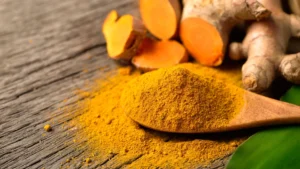
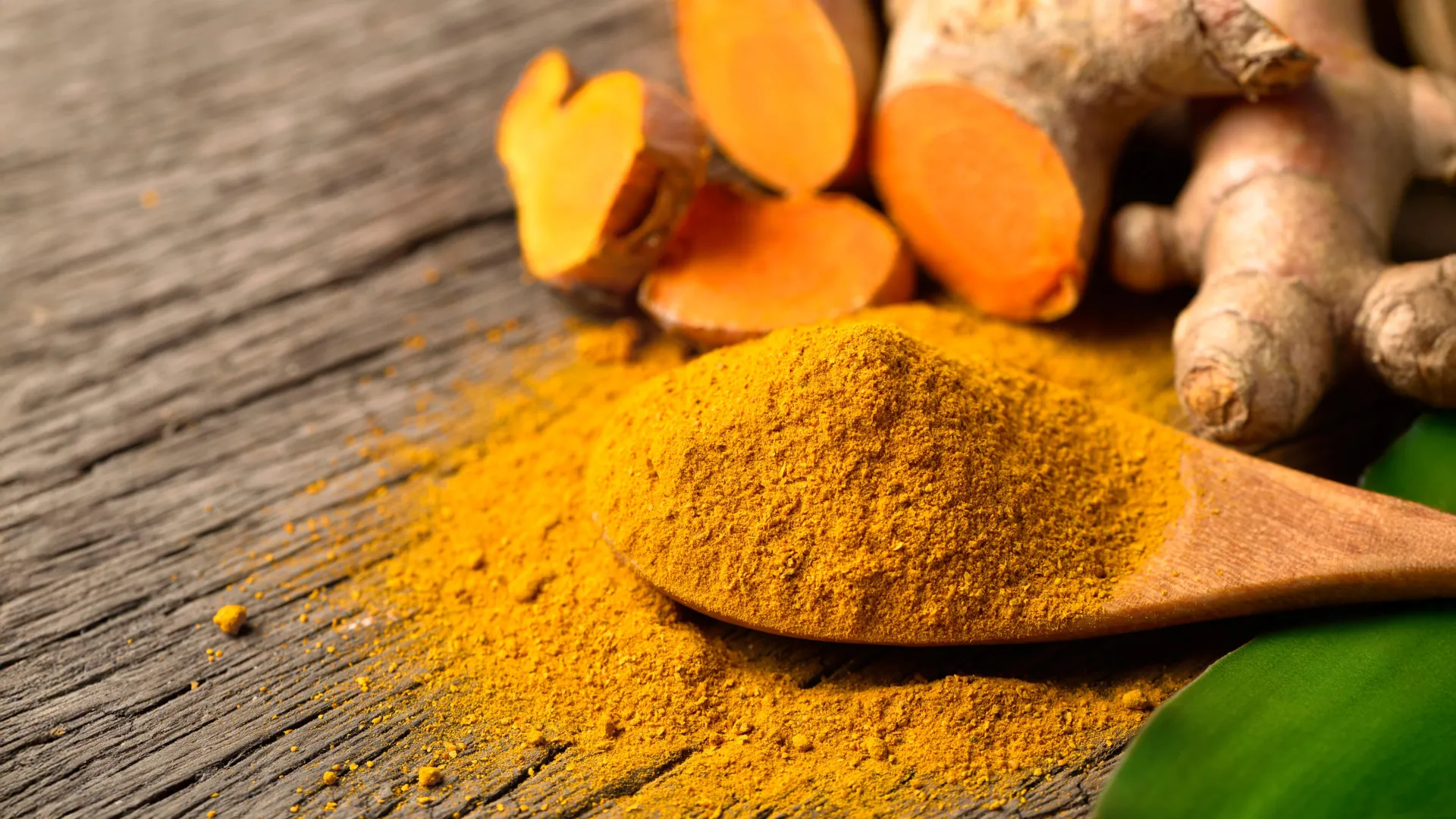
- Curcumin: A polyphenol derived from turmeric.
- Berberine: An isoquinoline alkaloid found in several plant species.
- Biochanin A: An isoflavone found in red clover and chickpeas.
- Cucurbitacin E: A tetracyclic triterpenoid derived from the cucumber family.
- CAPE (Caffeic acid phenethyl ester): A biologically active component of propolis (bee glue).
The researchers sought to determine how these compounds disrupted the energy metabolism of fibrosarcoma cells versus healthy myoblasts (muscle cells). The findings were striking, particularly concerning the mitochondria—the "powerhouses" of the cell.
Chronology of Discovery: Energy Depletion and Mitochondrial Stress
The experiments revealed that all five compounds induced a significant metabolic burden on cancer cells. By interfering with mitochondrial function, the compounds stifled the cells’ ability to produce ATP, the primary energy currency of life.
The disparity in impact was telling. Fibrosarcoma cells saw their ATP levels plummet by 83% to 92%, whereas healthy muscle cells experienced a more modest, albeit still significant, reduction of 23% to 73%. This differential suggests that cancer cells, which are often "addicted" to high energy production to fuel their rapid proliferation, are uniquely vulnerable to disruptions in their metabolic machinery.
Furthermore, the study examined "mitophagy," the quality-control process by which cells recycle damaged mitochondria. In cancer cells, the introduction of berberine, cucurbitacin E, and CAPE triggered an over-activation of this process. According to Prof. Kulbacka, this was not a helpful, protective response. Instead, it represented an overwhelmed adaptive mechanism, pushing the cancer cells toward a state of permanent growth arrest—cellular senescence—or eventual death.
The Path to Senescence: Forcing Cancer Cells into Retirement
Perhaps the most compelling finding of the study is the compounds’ ability to induce cellular senescence. Unlike apoptosis, where a cell undergoes programmed death, senescent cells remain alive but are stripped of their ability to divide. Essentially, the compounds "retired" the cancer cells, preventing the tumor from expanding.
The efficacy of this transition was profound:
- Curcumin proved the most potent, increasing the proportion of senescent cancer cells from a baseline of 16.5% to over 75%.
- The other four compounds also demonstrated strong efficacy, pushing the senescence rate above 66% in treated fibrosarcoma lines.
While healthy muscle cells were also affected, they demonstrated a higher degree of resilience compared to their malignant counterparts. This selectivity is the "holy grail" of drug development: the ability to stop cancer in its tracks while minimizing the collateral damage to the patient’s healthy physiology.
Weighing the Evidence: The Case for Curcumin
When the data was aggregated, curcumin and CAPE emerged as the most promising candidates for their selective anticancer activity. However, when factoring in the broader safety profile, curcumin stood out as the clear front-runner.
"Our findings show that these natural compounds can selectively place a greater metabolic burden on cancer cells than on healthy cells by disrupting mitochondrial function and energy metabolism," says Prof. Kulbacka. "Among the compounds tested, curcumin demonstrated the most balanced profile."
While berberine was also well-tolerated, the researchers urge caution, noting that its precise effects on the mitochondrial health of human muscle tissue require further, more granular investigation before it can be considered a safe therapeutic lead.
Implications: The Reality Check of In Vivo Toxicity
A critical component of this study was moving beyond isolated cells to assess how these compounds function in a living organism. Using the greater wax moth (Galleria mellonella) as a model, the researchers gained a glimpse into the systemic toxicity of these substances.
The results were a reality check for the field of nutraceutical research:
- Curcumin and berberine were the most tolerated by the larvae.
- CAPE and cucurbitacin E were linked to higher mortality rates.
- Biochanin A proved to be the most toxic, demonstrating that high in vitro activity does not always translate to a viable drug candidate.
This serves as a vital lesson in drug development: a compound that annihilates a cancer cell line in a petri dish is useless—or even dangerous—if it proves toxic to the organism as a whole. The metabolic cost to the patient must always be weighed against the therapeutic benefit.
Future Horizons: From Laboratory to Clinic
It is imperative to note that the study from Wroclaw Medical University is a foundational piece of research, not a clinical recommendation. These compounds are not yet cancer treatments. The use of cell lines and invertebrate models is a necessary first step, but it is a far cry from the complex, multi-systemic environment of the human body.
"Our findings come from laboratory experiments and preliminary tests in wax moth larvae," notes Prof. Kulbacka. "The next step is to evaluate these compounds in more advanced in vivo models and to better understand their mechanisms of action, optimal dosing, and delivery methods."
The study highlights a shift in how modern medicine views natural products. No longer are they seen as simple, benign alternatives; they are now being scrutinized as powerful chemical agents with distinct metabolic signatures. As research progresses toward more sophisticated models, the goal remains the same: to harness the inherent power of these compounds while navigating the fine line between therapeutic intervention and physiological toxicity.
For now, the work of the Wroclaw team provides a roadmap, identifying which compounds warrant further study and emphasizing that, in the search for a cure, the most effective drug is the one that knows the difference between a cancer cell and a healthy one.