







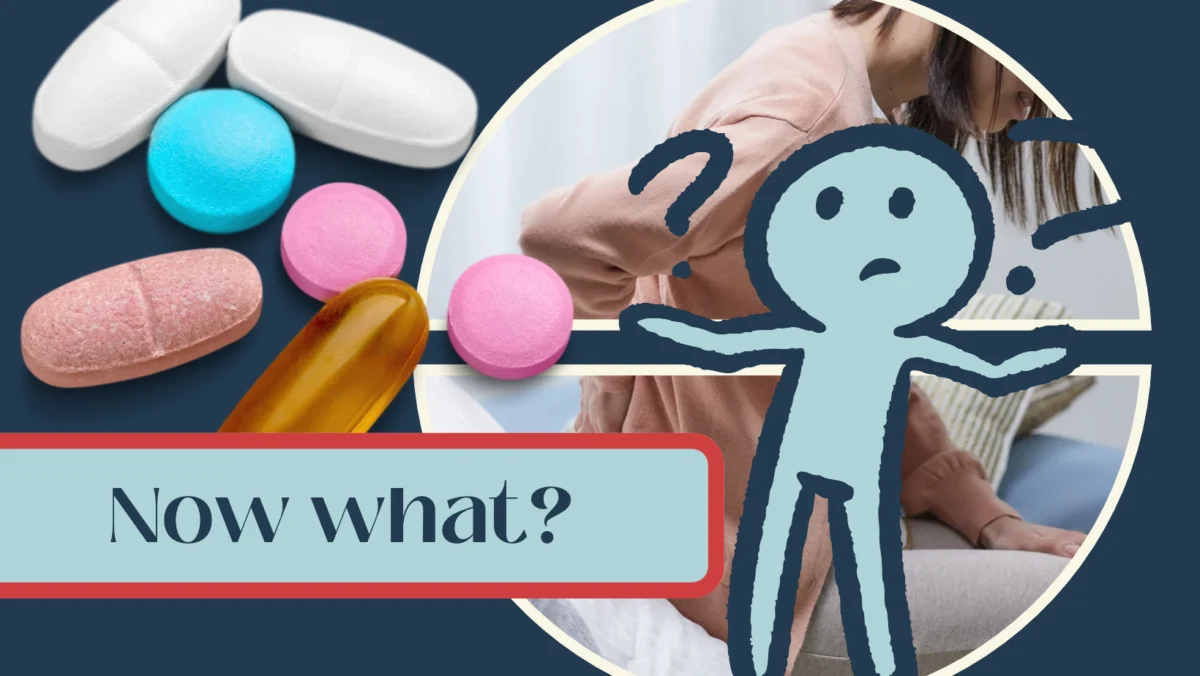
For millions of Americans, the journey to manage pain often begins in the aisles of a local pharmacy. Over-the-counter (OTC) pain relievers are frequently the first line of defense against the physical and emotional toll of persistent pain. However, for a significant portion of the population, these accessible tools are falling short, leaving many to wonder what happens when the standard solutions no longer provide the relief they need to lead a functional, meaningful life.
The U.S. Pain Foundation’s 2026 National Report highlights a stark reality: for many, "adequate relief" remains an elusive goal. This disconnect between the promise of medication and the daily reality of those living with pain underscores a critical need for a more nuanced, individualized approach to pain management.
The Complexity of Pain: Why One Size Does Not Fit All
To understand why OTC medications may fail to provide consistent relief, one must first recognize that pain is not a monolith. It is a highly subjective, physiological, and neurological experience. Medications like ibuprofen and naproxen—nonsteroidal anti-inflammatory drugs (NSAIDs)—are engineered to target inflammation. Acetaminophen, conversely, functions through different pathways to dampen pain signals but lacks the anti-inflammatory properties of NSAIDs.
The mismatch between the medication’s mechanism and the specific nature of the pain is a primary reason for treatment failure. For instance, an individual suffering from nerve-related pain (neuropathic pain) may find that traditional anti-inflammatory medications offer little to no respite. Furthermore, chronic conditions—such as fibromyalgia, autoimmune disorders, or degenerative arthritis—involve complex nervous system changes that often render standard OTC doses insufficient.
Determining the "best" option is not merely about choosing a brand; it is about matching the biological cause of the pain with the most appropriate pharmacological or behavioral intervention.
The Intersection of Acute and Chronic Pain
A common misconception is that a person’s pain profile is static. In reality, the lines between acute and chronic pain frequently blur. An individual may manage a chronic condition for years, only to have their baseline disrupted by an acute injury, such as a sprained ankle or a surgical procedure.
When acute pain strikes someone already living with chronic pain, the existing management plan may become obsolete. Patients often mistakenly assume that a sudden increase in symptoms is simply a "flare" of their underlying condition. However, medical professionals emphasize that new, worsening, or significantly different pain requires a fresh evaluation.
Key Differences in Pain Experience:
- Acute Pain: Sudden onset, usually tied to a specific trauma or injury, with a predictable path toward healing.
- Chronic Pain: Persisting beyond three months or the typical healing window, often requiring long-term, multi-modal strategies.
- The Overlap: When acute injury exacerbates chronic symptoms, patients may find that their "everyday" medications lack the potency or the specific focus required to address the new, localized trauma.
Defining "Relief": A Metric Beyond the Pain Scale
The medical community is increasingly moving away from relying solely on numerical pain scales (e.g., "rate your pain from 1 to 10"). Instead, experts suggest that true relief should be measured by functional capacity: the ability to sleep, work, socialize, and maintain self-care.
When evaluating whether a medication is working, patients should consider three critical pillars:
- Onset of Action: How quickly does the medication start to provide relief?
- Depth of Relief: Does the medication significantly reduce the pain, or merely take the "edge off"?
- Duration of Effect: Does the medication last long enough to sustain the patient through their daily responsibilities without necessitating unsafe dosing intervals?
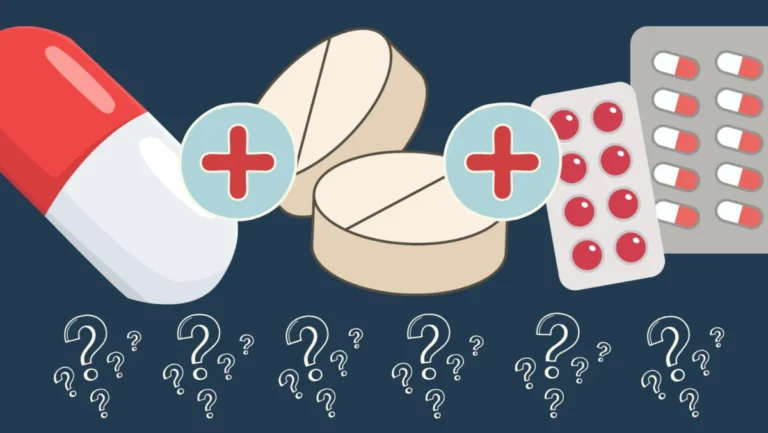
A common pitfall is the urge to "dose-stack" or shorten the interval between doses when relief is inadequate. Doing so—or combining medications within the same chemical family, such as taking two different NSAIDs simultaneously—significantly elevates the risk of severe side effects, including gastrointestinal bleeding, renal distress, and cardiovascular complications.
When It’s Time to Revisit Your Treatment Plan
The 2026 U.S. Pain Foundation survey suggests that many patients continue to rely on long-term OTC use without professional oversight. This is a hazardous practice. If you find yourself in any of the following situations, it is time to schedule a consultation with your healthcare provider:
- Declining Efficacy: The medication that worked six months ago is no longer providing the same level of relief.
- Functional Decline: You are unable to participate in daily activities despite using your medication as directed.
- Safety Concerns: You find yourself needing to increase the dose or frequency beyond what is listed on the Drug Facts label.
- New Symptoms: You are experiencing side effects or symptoms that differ from your usual chronic pain profile.
The Multi-Modal Approach: Expanding the Toolkit
When OTC medications reach their ceiling of efficacy, the most effective path forward is usually a multi-modal approach. This is not about abandoning medication, but rather integrating it into a broader ecosystem of care.
Modern pain management often involves:
- Prescription Interventions: Targeted medications that work on nerve pathways or specific pain receptors.
- Physical and Occupational Therapy: Addressing the mechanical causes of pain and improving mobility.
- Behavioral Health Support: Addressing the psychological impact of chronic pain, which can often amplify physical sensations.
- Interventional Procedures: Nerve blocks, steroid injections, or, in severe cases, surgical options.
For many, the most successful outcomes occur when a primary care physician works in tandem with specialists—such as neurologists, rheumatologists, or pain management experts—to create a cohesive, long-term strategy.
Advocating for Yourself: How to Start the Conversation
Many patients feel unheard or intimidated when discussing pain relief with their doctors. The key is to shift the narrative from "it doesn’t work" to a data-driven report of your daily reality. Using a tool like a medication tracker can provide your doctor with concrete evidence of your struggles.
Effective Communication Tips:
- Be Specific: Instead of saying "I’m still in pain," say "I am unable to stand for more than 15 minutes to cook dinner because the pain in my lower back becomes sharp after the second hour of my dose."
- Define Your Goals: Communicate what you want to be able to do. "I want to be able to walk my dog for 20 minutes without needing to rest" is a measurable goal that helps your doctor adjust your treatment.
- Ask Direct Questions:
- "Are there other ways to combine my current medications safely?"
- "Is it time to consider a specialist?"
- "What are the long-term risks of my current OTC regimen?"
Addressing Pediatric Pain: A Special Consideration
Pain management in children requires a different lens. Children often lack the vocabulary to describe their pain, meaning parents must act as observers of behavioral changes. A child who becomes suddenly irritable, experiences sleep disturbances, or withdraws from sports and hobbies may be suffering from inadequately controlled pain.
Parents should never adjust a child’s medication without explicit guidance from a pediatrician. Because children are still developing, the risks of medication interactions or incorrect dosing are significantly magnified.
The Future of OTC Access: The ACNU Pathway
The U.S. Food and Drug Administration (FDA) has introduced the "Additional Condition for Nonprescription Use" (ACNU) pathway, which represents a shift in how we think about self-care. This pathway allows for medications that were previously prescription-only to become available over the counter, provided there is a safety mechanism—such as a digital or pharmacy-based screening tool—to ensure the medication is appropriate for the individual.
While this expansion is promising, the U.S. Pain Foundation emphasizes that systemic change requires more than just more products on shelves. It requires a commitment to research, improved insurance coverage for multi-modal therapies, and a medical culture that views the patient as an equal partner in decision-making.
Conclusion: You Deserve a Path Forward
The frustration of living with pain that isn’t properly managed is profound, but it is not a life sentence. The inability of an OTC medication to resolve your symptoms is not a failure of the patient; it is an indication that your current strategy has reached its limit and requires a new perspective.
By tracking your experiences, engaging in honest conversations with your healthcare team, and demanding a comprehensive approach to your care, you can transition from simply surviving your pain to actively managing it. Your pain is valid, your experience is unique, and you deserve a treatment plan that evolves as your needs do.
Disclaimer: This article is for educational purposes only and is not a substitute for individualized medical advice. Medication combinations, dosing, and timing should always be reviewed with a qualified healthcare professional. Always follow Drug Facts labeling, and seek immediate guidance from Poison Control (1-800-222-1222 in the United States) if you suspect a medication overdose, even if symptoms have not yet appeared.