









The release of the 2025–2030 Dietary Guidelines for Americans (DGAs) this week was intended to provide a clear, actionable roadmap for public health. Marketed with the catchy, consumer-friendly tagline "Eat Real Food," the document aims to steer the American public away from the perils of ultra-processed snacks and excessive sugar. However, beneath the polished, interactive interface and the simplified branding lies a document that has ignited a firestorm of controversy among nutrition scientists, public health advocates, and independent researchers.
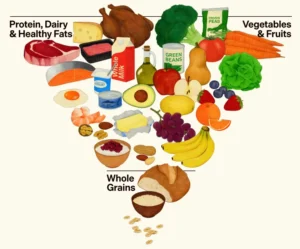
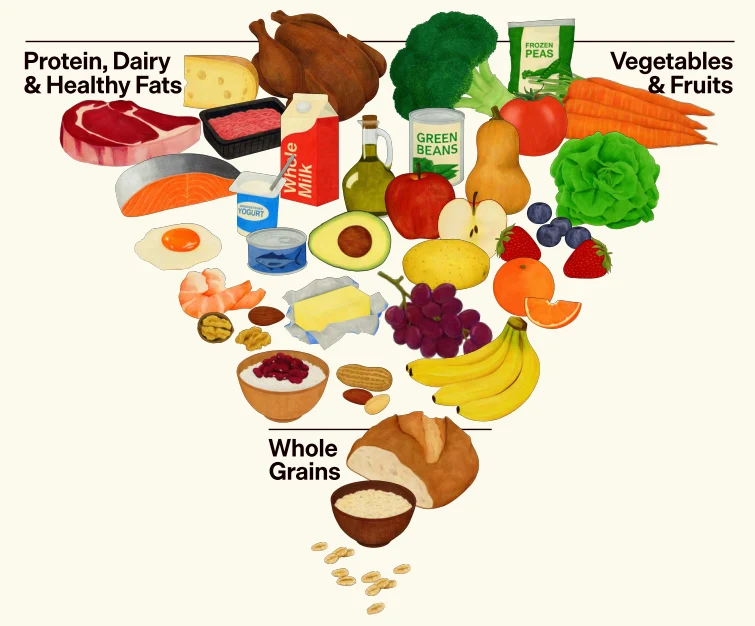
While the new Guidelines make commendable strides in calling out the dangers of highly processed foods, they simultaneously introduce a "New Food Pyramid" that seems to contradict the very science the document claims to uphold. By visually prioritizing saturated-fat-heavy items like steak, butter, and full-fat dairy, the federal government has created a nutritional paradox that risks confusing the public and potentially undermining long-term cardiovascular health.
The Chronology: From Scientific Rigor to Policy Reversal
The development of the DGAs is a multi-year, rigorous endeavor overseen by the U.S. Departments of Agriculture (USDA) and Health and Human Services (HHS). Historically, this process begins with the Dietary Guidelines Advisory Committee (DGAC)—a non-partisan panel of independent scientists who synthesize current nutrition research. This committee works for two years, following strict transparency protocols, to produce a Scientific Report that informs the final policy.
However, the 2025–2030 cycle deviated sharply from this established norm. In a move that has drawn widespread criticism, the administration rejected the committee’s final report. Instead, the final document was drafted based on a "supplemental scientific analysis" conducted by a group of individuals selected via a private federal contracting process.
This shift has raised significant questions regarding the integrity of the process. Deirdre Tobias, an assistant professor in the Department of Nutrition at the Harvard T.H. Chan School of Public Health and a member of the original 2025–2030 Advisory Committee, expressed grave concerns in a recent Q&A. "There has not been transparency in who wrote the new DGAs," Tobias noted. "The reviews themselves, as well as their overall presentation and integration, deviate significantly from the rigorous process that the HHS developed to ensure the evidence base was replicable, unbiased, and free from non-scientific influences." Furthermore, reports have surfaced highlighting financial ties between some of the supplemental reviewers and the beef and dairy industries—a fact disclosed in the appendices but one that has cast a long shadow over the objectivity of the final recommendations.
Main Facts: The "Eat Real Food" Mandate
Despite the controversy surrounding its creation, the new Guidelines do contain substantive, positive shifts in focus. For the first time in the history of the DGAs, the document explicitly calls out "highly processed foods" as a category to be minimized.
Key Nutritional Shifts:
- The War on Added Sugar: The guidelines have adopted a significantly stricter stance on sweeteners. The document explicitly states that "no amount of added sugars or non-nutritive sweeteners is recommended or considered part of a healthy or nutritious diet."
- Age-Specific Restrictions: One of the most notable changes is the recommendation that children avoid added sugars entirely until the age of 10, a significant jump from the previous age-2 threshold.
- Refined Carbohydrate Reduction: The DGAs advocate for a pivot toward whole, fiber-rich grains, specifically targeting a reduction in refined carbohydrates like white bread, which are hallmarks of the modern, ultra-processed American diet.
Supporting Data: The Mathematics of Confusion
The most glaring inconsistency in the new DGAs is the dissonance between the written text and the accompanying "New Food Pyramid." While the text maintains the long-standing scientific consensus that saturated fat should be limited to 10% of total daily calories, the graphic design tells a different story.
The Saturated Fat Paradox
For an average 2,000-calorie diet, the 10% limit translates to roughly 22 grams of saturated fat per day. When analyzing the pyramid’s recommendations for three daily servings of dairy—if those servings include common staples like one cup of whole milk (5g), three-quarters of a cup of full-fat Greek yogurt (6g), and one ounce of cheddar cheese (6g)—the consumer has already reached 17 grams of saturated fat.
Adding a single tablespoon of butter (7g) or beef tallow (6g) for cooking—both of which are suggested as primary fat sources in the new materials—pushes the consumer well over the daily limit before accounting for any other protein or incidental fat consumed throughout the day.
Frank Hu, professor of nutrition and epidemiology at the Harvard T.H. Chan School of Public Health, warns that these mixed messages are dangerous. "The visual prominence of saturated-fat-rich foods such as red meat, butter, and beef tallow may lead to confusion and potentially higher intake of saturated fat, which is directly linked to increased LDL cholesterol and cardiovascular risk," Hu explains.
Furthermore, while the Guidelines do mention olive oil as a healthy fat, they group it with animal-based fats without clear distinction. Dr. Hu emphasizes that from a cardiovascular perspective, this is a missed opportunity. "All plant oils—including soybean and canola—have been shown to lower LDL cholesterol and cardiovascular risk compared with animal fats like butter or tropical fats like coconut oil," he notes.
Official Responses and Professional Skepticism
The response from the nutrition community has been one of cautious skepticism. While organizations and individual practitioners welcome the clear stance against processed sugar and refined snacks, there is a unified frustration regarding the lack of clarity on protein quality and the "protein package."
The new Guidelines suggest a protein intake of 1.2 to 1.6 grams per kilogram of body weight—a substantial increase over previous minimums. However, the document fails to distinguish between the health outcomes of plant-based proteins (such as lentils, nuts, and tofu) and animal-based proteins (such as processed meats).
"Substantially raising overall protein intake without distinguishing between different protein sources may have unintended long-term health implications," Dr. Hu states. When we consume protein, we are consuming the "package"—the associated fats, fiber, and sodium. By failing to emphasize the superiority of fish and plant-based proteins over red meat, the DGAs ignore a foundational pillar of modern nutritional science.
Implications: The Impact on Public Health
The implications of these mixed messages are profound. The DGAs serve as the backbone for federal nutrition programs, school lunches, and healthcare provider recommendations. If the government’s own graphic materials promote a diet that, if followed literally, would exceed recommended saturated fat limits, the risk of metabolic disease may persist rather than decline.
The Sustainability Gap
A secondary, though no less significant, failure of the 2025–2030 DGAs is the continued exclusion of environmental impact. Despite the growing body of evidence linking food production to climate change, the Guidelines remain silent on the sustainability of certain protein sources. For a document that claims to be a comprehensive guide for the future of American health, the omission of the "Plate and Planet" connection reflects a reluctance to engage with the reality of our global food system.
A Call for Individual Agency
Historically, data from the CDC indicates that Americans rarely follow the Dietary Guidelines to the letter. This latest edition, with its simplified, consumer-friendly aesthetic, appears designed to increase adoption. However, if the guidance remains contradictory, the burden of interpretation falls squarely on the shoulders of the consumer.
For those navigating the complexities of the new Guidelines, experts suggest looking toward more consistent resources, such as the Healthy Eating Plate developed by the Harvard T.H. Chan School of Public Health. Unlike the federal pyramid, this model provides clear, evidence-based proportions that prioritize healthy fats, plant-based proteins, and whole grains without the confusion of conflicting visual cues.
Conclusion
The 2025–2030 Dietary Guidelines for Americans represent a "tale of two documents." On one hand, they contain the most progressive language to date regarding the dangers of added sugar and ultra-processed foods. On the other, they suffer from a lack of transparency in their development and a dangerous disconnect between their written warnings and their visual messaging regarding saturated fats.
As we look toward the next five years, the challenge for the American public will be to discern between the marketing-driven graphics and the underlying, albeit buried, scientific realities. Until the federal government commits to a more transparent, science-first approach—free from the influence of the food industry—consumers are encouraged to consult with registered dietitians who can help navigate these contradictions and create a truly healthy, sustainable dietary pattern.