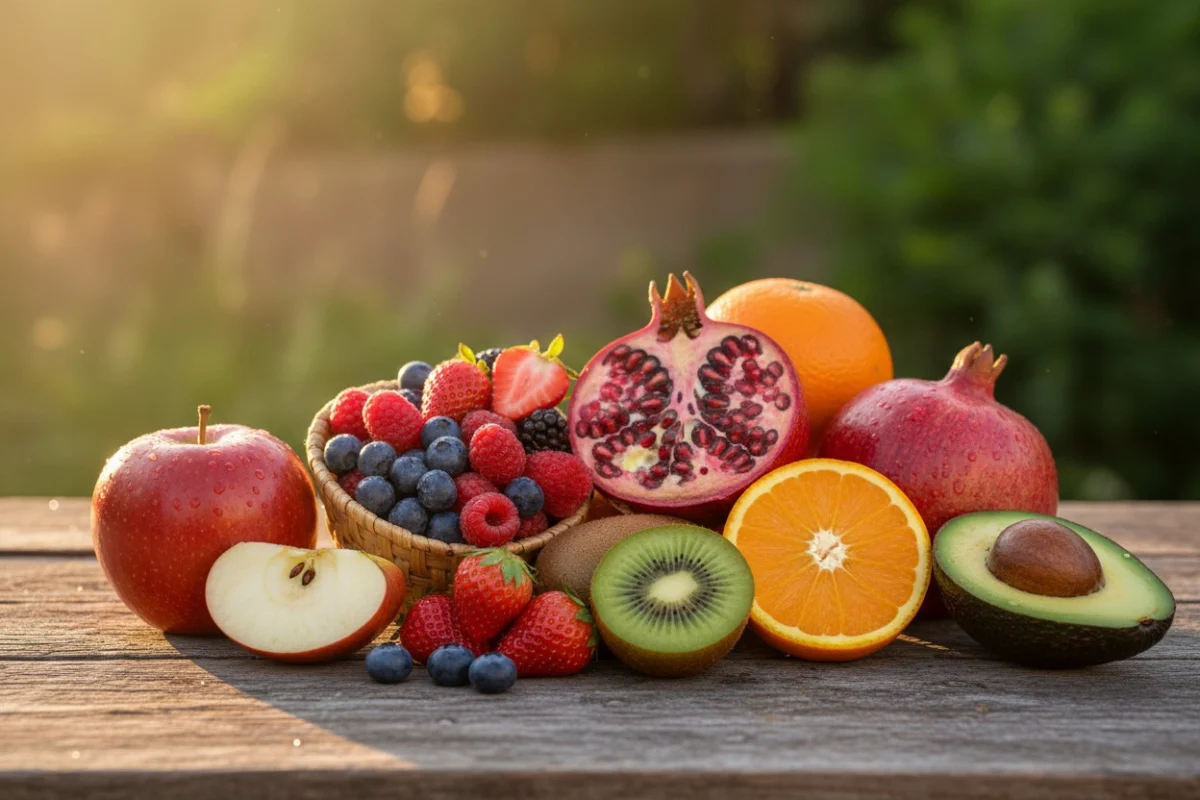
In the ever-evolving landscape of nutritional science, pomegranates have long enjoyed a reputation as the "gold standard" of functional foods. Celebrated for their dense concentration of polyphenols and their robust ability to neutralize oxidative stress, they have become synonymous with longevity. However, as research into phytonutrients deepens, nutritionists are finding that nature’s pharmacy is far more diverse than a single fruit. From the humble artichoke to the morning cup of coffee, an array of accessible, antioxidant-rich foods offers a synergistic approach to cellular health that extends well beyond the pomegranate.
The Science of Oxidative Stress and Antioxidants
To understand the importance of a diverse antioxidant diet, one must first grasp the mechanism of oxidative stress. Our bodies naturally produce free radicals—unstable molecules that can damage cells, proteins, and DNA. While some free radicals are necessary for immune function, an imbalance caused by pollution, processed diets, and stress leads to "oxidative stress," a precursor to chronic conditions including cardiovascular disease, neurodegeneration, and various forms of cancer.
Antioxidants act as the body’s internal security system. They donate electrons to unstable free radicals, neutralizing them before they can inflict damage. While the body produces some antioxidants, the majority must be obtained through diet. The "pomegranate paradigm" suggests that we should focus on single "superfoods," but modern nutritional science argues for the "matrix effect"—the idea that the compounds in whole foods work better together than in isolation.
The Anthocyanin Powerhouses: Beyond the Ruby Red Fruit
Anthocyanins are a class of flavonoids responsible for the deep red, purple, and blue pigments in plants. These compounds are potent anti-inflammatory agents. While pomegranates are famous for their anthocyanins, the following foods offer exceptional levels of these protective compounds:
- Wild Blueberries: Often outperforming their cultivated counterparts, wild blueberries are packed with a diverse profile of anthocyanins that have been linked to improved cognitive function and memory retention in aging populations.
- Blackberries and Black Raspberries: These berries contain ellagic acid, which complements anthocyanins to provide superior protection against cellular DNA damage.
- Black Rice: Often called "forbidden rice," this ancient grain contains more anthocyanins per serving than many fruits, offering a unique way to incorporate antioxidants into savory meals.
- Red Cabbage: Frequently overlooked, this cruciferous vegetable is a nutritional powerhouse. Its deep purple hue is a clear indicator of high anthocyanin content, which supports cardiovascular health and skin integrity.
- Purple Sweet Potatoes: A staple in many "Blue Zone" diets, these tubers provide a steady release of energy alongside high concentrations of antioxidants that stabilize blood sugar levels.
Vegetables and Greens: The Hidden Reservoir of Defense
While fruits often steal the spotlight, the vegetable kingdom provides the structural integrity and fiber required to maximize antioxidant absorption.
- Artichokes: Perhaps the most underrated source of antioxidants, globe artichokes rank near the top of the ORAC (Oxygen Radical Absorbance Capacity) scale. They are particularly rich in chlorogenic acid, a compound known for its anti-inflammatory and blood-pressure-lowering effects.
- Kale and Leafy Greens: Beyond vitamins A, C, and K, dark leafy greens like kale and spinach contain lutein and zeaxanthin. These carotenoids are essential for eye health, specifically in protecting the macula from light-induced oxidative damage.
Beverages: Liquid Protection for Longevity
The daily ritual of drinking coffee or tea is, for many, a primary source of daily antioxidant intake.
- Coffee: Rich in hydrocinnamic acids and polyphenols, coffee has been consistently linked to a reduced risk of liver disease and type 2 diabetes. The key, however, lies in preparation; the benefits are maximized without the addition of excessive sugars or artificial creamers.
- Green and Black Teas: The catechins found in green tea, particularly EGCG (epigallocatechin gallate), have been studied extensively for their metabolic benefits and potential to modulate cellular signaling pathways associated with cancer prevention.
Breakfast and Dessert: Integrating Antioxidants into Daily Rituals
Optimization of health is not about restrictive dieting, but about strategic inclusion. Integrating antioxidants into every meal creates a consistent "shield" against oxidative damage.
- Dark Chocolate: Containing at least 70% cocoa, dark chocolate is rich in flavanols. These compounds improve blood flow and heart health. When consumed in moderation, it serves as a scientifically backed indulgence that satisfies cravings while providing therapeutic benefits.
- Walnuts and Pecans: These nuts offer a unique combination of antioxidants and healthy fats. Research indicates that the skin of the walnut, in particular, contains a significant portion of its polyphenols, making them a perfect addition to morning oatmeal or yogurt.
Chronology of Nutritional Discovery
The shift in understanding from "single superfoods" to "dietary patterns" did not happen overnight. The following timeline highlights the evolution of this research:
- 1990s: The Rise of ORAC: The USDA developed the Oxygen Radical Absorbance Capacity (ORAC) scale, which popularized the idea of measuring antioxidant potency in foods.
- 2000s: The Polyphenol Boom: Researchers began to look beyond basic vitamins, focusing on phytochemicals like resveratrol, quercetin, and catechins.
- 2010s: The Microbiome Connection: Scientists discovered that the gut microbiome plays a crucial role in "activating" these antioxidants, transforming them into usable compounds during digestion.
- 2020s to Present: Personalized Nutrition: Current research is moving toward how individual genetic profiles affect the absorption of antioxidants, marking the dawn of precision nutrition.
Supporting Data: What the Studies Say
Large-scale meta-analyses, such as those published in the Journal of Agricultural and Food Chemistry, emphasize that the bioavailability of antioxidants varies significantly by source. For instance, the bioavailability of polyphenols from coffee is often higher than that from many fruits due to the volume consumed. Furthermore, data from the American Heart Association suggests that the combination of flavonoids from tea, berries, and dark chocolate provides a cumulative protective effect on endothelial function, effectively "resting" the cardiovascular system from the wear and tear of oxidative stress.
Official Responses and Clinical Perspectives
The global medical community has shifted its stance from prescribing isolated antioxidant supplements to promoting whole-food consumption. Organizations such as the World Health Organization (WHO) and the American Institute for Cancer Research caution against the use of high-dose antioxidant supplements, noting that they often lack the synergistic co-factors found in whole foods. Clinical consensus is clear: the benefits of a diet rich in colorful, plant-based foods are vast, but they are most effective when consumed as part of a varied, balanced diet rather than through pills.
Implications for Public Health
The implications of these findings are profound. As non-communicable diseases (NCDs) continue to rise globally, shifting the dietary focus toward accessible, high-antioxidant staples—rather than expensive, imported "superfoods"—is a vital public health strategy.
For the average individual, this means simplifying the approach to health. It is not necessary to hunt for exotic pomegranates or expensive extracts. Instead, the strategy involves a simple, colorful plate:
- Variety: Rotate the colors of your fruits and vegetables.
- Moderation: Enjoy antioxidant-rich "indulgences" like dark chocolate in small, consistent portions.
- Consistency: Treat your daily beverage (coffee or tea) as a health-promoting ritual.
In conclusion, while the pomegranate remains a stellar food, it is but one player in a much larger, more robust team. By embracing a wide spectrum of fruits, vegetables, and natural beverages, we can leverage the full protective power of nature. A diverse diet is not merely a path to better health; it is the most practical, evidence-based strategy for long-term resilience against the unavoidable stresses of modern life.
Disclaimer: This article is for informational purposes only and does not constitute medical advice. Always consult with a healthcare professional or registered dietitian before making significant changes to your diet, especially if you are managing existing health conditions.