











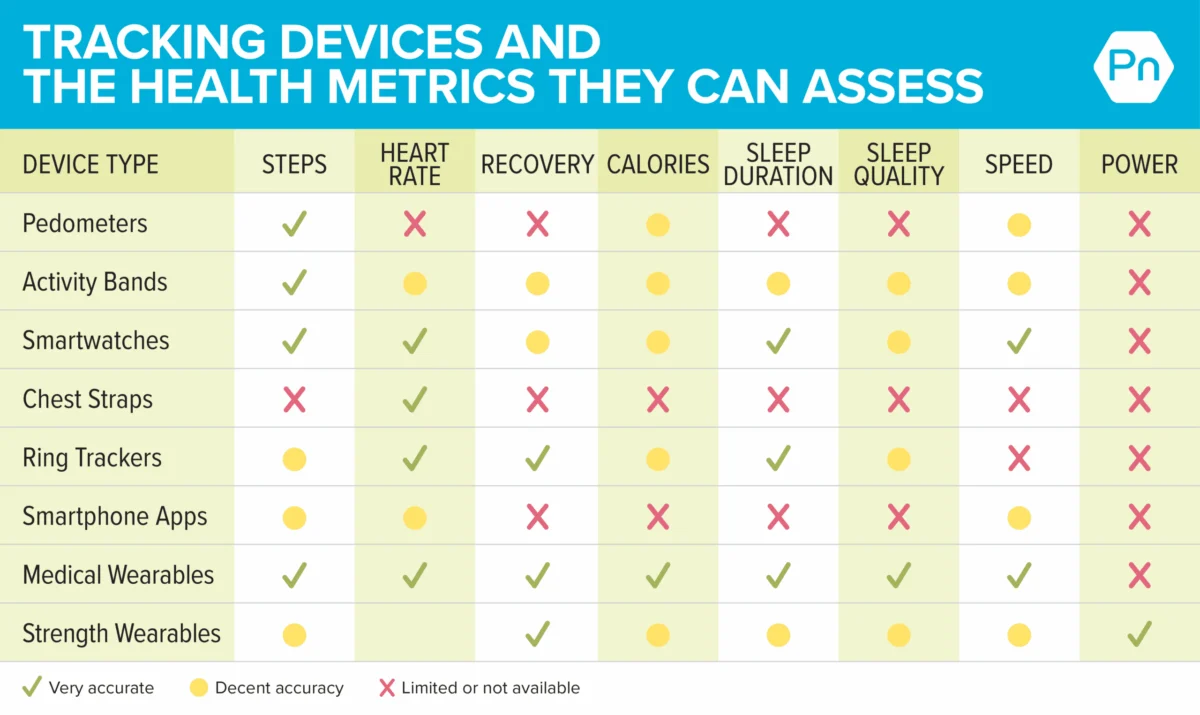
For generations, our ancestors relied on an internal barometer—the ache in their muscles, the pace of their breath, and the quality of their sleep—to gauge their physical well-being. Today, that internal monologue has been joined, and often supplanted, by an external dashboard. With the rise of wearable technology, we are now capable of monitoring heart rate variability, oxygen saturation, step counts, and sleep cycles with unprecedented granularity.
In the best of circumstances, these devices act as a bridge between subjective feeling and objective reality. They provide a "ground truth" that can help us cut through the noise of our own biases. However, as the market for health-tech booms, a critical question emerges: Are we becoming more in tune with our bodies, or are we simply outsourcing our self-awareness to algorithms?
The Fallibility of the Human Instrument
Humans are notoriously poor at quantifying their own experiences. We are prone to "optimism bias," often believing we are eating less or exercising more than we actually are. A classic case involves a fitness professional who believed he was maintaining a strict caloric deficit. After implementing rigorous tracking, he discovered a hidden "supplement" to his diet: 500 calories a day in accidental barbecue sauce consumption.
While some individuals possess the rare, "outlier" ability to self-calibrate—much like the sprinter Ben Johnson, who could estimate his 100-meter sprint times within a tenth of a second—most of us require external calibration. Technology offers that objective mirror. When used wisely, trackers can prevent us from over-relying on subjective guesses, helping us make data-backed decisions that optimize our health.
Chronology of the Tracking Evolution
The trajectory of personal health tracking has moved from primitive mechanical pedometers to sophisticated medical-grade wearables.
- The Early Era: Simple mechanical devices tracked steps, providing a basic metric of daily movement.
- The Connected Era: The introduction of Bluetooth and smartphones allowed for data syncing, turning sporadic checks into continuous streams of information.
- The Biometric Era: Current technology monitors complex physiological markers like continuous glucose levels, blood oxygen, and heart rate variability (HRV), moving beyond simple movement to internal metabolic and recovery tracking.
As the capability of these devices has increased, so has the volume of data. We have moved from asking "Did I move today?" to "What is my readiness score based on my nocturnal autonomic nervous system activity?" This shift represents a transition from broad activity tracking to deep physiological optimization.
The Paradox of Information: The "Sweet Spot"
The central irony of the modern tracking age is that more information does not always lead to better decisions. Computer scientist Samantha Kleinberg, who specializes in behavioral decision-making, has noted that even small amounts of surplus information can negatively impact our judgment.
This manifests as an "inverted U" curve. At the low end, lack of data leads to poor decisions because we are guessing. At the high end, an abundance of data leads to "analysis paralysis," where we become overwhelmed by metrics, losing the ability to take decisive action. The "sweet spot" exists in the middle—where we have enough data to inform our choices, but not so much that we lose sight of our objectives.

To determine if your tracking habit is healthy, consider the "Well-being/Performance Test." If your tracking routine increases your stress or obscures your goals, you are likely on the wrong side of the curve.
Supporting Data: Understanding Reliability
It is vital to recognize that not all data is created equal. While heart rate and step counts have achieved high levels of reliability, other metrics remain speculative.
Tracking Accuracy Breakdown:
- High Reliability: Step counting, resting heart rate, and GPS-based distance.
- Moderate Reliability: Sleep duration, movement velocity, and caloric expenditure estimates.
- Low/Variable Reliability: Advanced metrics like "readiness scores," recovery indices, and non-medical grade stress tracking.
When users treat "moderate reliability" data as absolute, they fall into the trap of over-correcting. For example, a "poor" sleep score on a tracker may cause a user to feel more tired than they actually are—a phenomenon known as the "nocebo effect," where the belief in the data negatively impacts the physical experience.
The Psychological Implications
The impact of tracking on our psychology is profound, manifesting in three distinct ways:
1. Validation vs. Anxiety
For many, data acts as a stabilizing force. Take the "grinder" personality—the athlete who refuses to rest because they feel they aren’t working hard enough. When this individual sees their resting heart rate dropping and their recovery metrics improving, it provides the psychological safety to actually rest. Conversely, for a new parent tracking "sleep quality," the data can be a source of needless anxiety. When metrics are beyond one’s immediate control, the tracker becomes a source of stress rather than a tool for growth.
2. Motivation and the "Prompt"
Behavioral science suggests that habits require motivation, ability, and a prompt. Trackers are excellent at providing the prompt. If a person sees a direct correlation between alcohol intake and poor sleep scores, the data serves as a powerful, undeniable prompt for behavioral change. However, when the focus shifts from behavior to numbers, it can lead to burnout. A cyclist who becomes obsessed with hitting specific power numbers may lose the joy of the ride, eventually abandoning the sport entirely.
3. Sensory Disconnection
Perhaps the greatest risk is the erosion of the "internal signal." During the infamous "MyFitnessPal blackout" of 2019, millions of users reported feelings of anxiety and loss of control. The reliance on the app had effectively "turned off" their internal hunger and satiety cues. When we rely solely on external sensors, we atrophy our own capacity to interpret internal feedback.
How to Calibrate: A Three-Step Framework
If you wish to use technology without losing your intuition, follow these three principles:

Step 1: The "Check-In" Protocol
Before looking at your watch, ask yourself: How do I feel?
- How energetic is my body?
- What is my current level of soreness?
- How hungry am I?
- What is my mood?
Only after you have formed your own subjective assessment should you check the data. By comparing your guess to the device’s output, you are actively training your brain to become a more accurate instrument.
Step 2: Develop Mental Shortcuts
Use your trackers to calibrate your "Rate of Perceived Exertion" (RPE). If you are lifting weights, guess how many reps you have left in the tank. Then, perform them. By repeating this process, you learn to identify the exact point of true failure without needing a sensor to tell you when to stop. This builds a deep, sensory-based understanding of your physical capacity.
Step 3: Honor Your Internal Hardware
You possess an incredibly sophisticated sensory network:
- Proprioception: Your sense of body position.
- Interoception: Your sense of the internal state of your body (heartbeat, hunger, breath).
- Vestibular sense: Your sense of balance and spatial orientation.
These systems have been honed over millions of years of evolution. While technology is a useful auxiliary, it is not a replacement for these biological systems. The most successful athletes and health-conscious individuals are those who treat their trackers as "consultants" rather than "commanders."
Conclusion
The rise of the quantified self has provided us with extraordinary insights into our own biology, yet we must remain the masters of our own data. Whether you are using a basic step counter or a high-end health monitor, the goal remains the same: to improve your quality of life.
If your device helps you understand your body’s signals, provides clarity during confusion, and encourages sustainable habits, keep it on. But if you find yourself checking your wrist before checking your own heartbeat, it may be time to disconnect. The most accurate tracker you will ever own is the one you were born with—your nervous system. Use the technology to sharpen that system, but never let the algorithm replace your own lived experience.