In the ongoing medical battle against metabolic dysfunction-associated steatohepatitis (MASH)—the advanced, dangerous evolution of fatty liver disease—a significant breakthrough has emerged from McMaster University. For years, the hormone GDF15 has been recognized primarily for its role as a metabolic "brakes" system, curbing appetite and facilitating weight loss. However, new research published on August 10, 2026, in the journal Cell Metabolism suggests that the hormone’s biological utility is far more profound than previously understood.
Researchers have uncovered a novel signaling pathway in which GDF15 acts as a guardian of the liver, actively suppressing inflammation and slowing the progression of scarring, independent of its effects on body weight. This revelation could fundamentally reshape the landscape of hepatology, providing a dual-pronged strategy for treating a disease that often progresses to cirrhosis and liver failure.
The Weight of the Problem: Understanding MASH
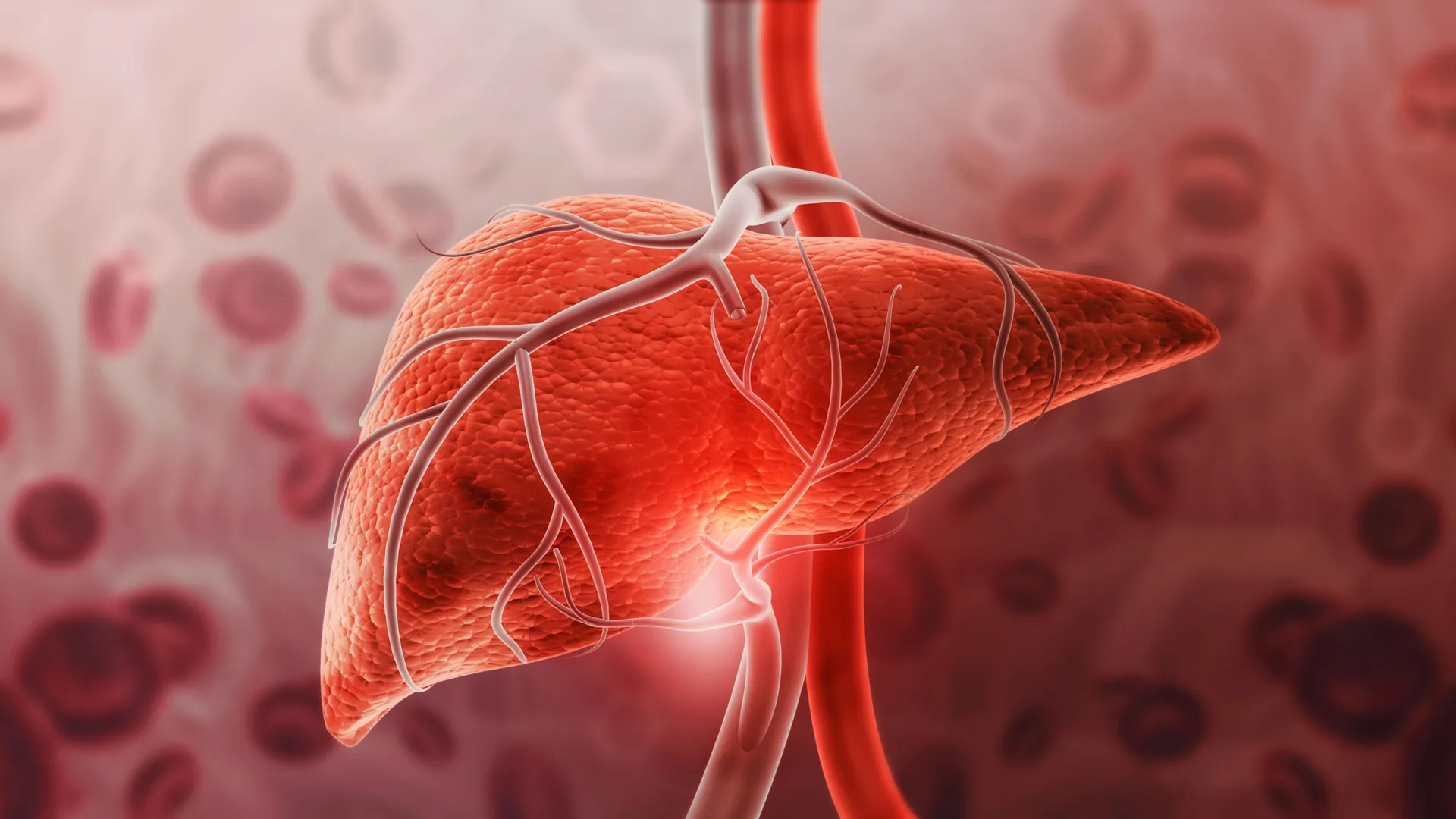
Metabolic dysfunction-associated steatohepatitis (MASH) is a silent epidemic. As the global prevalence of obesity and type 2 diabetes rises, so too does the incidence of MASH. Unlike simple fatty liver, MASH is characterized by severe inflammation and cellular damage, which, if left unchecked, can lead to irreversible scarring (fibrosis), liver cancer, and total organ failure.
For decades, the medical community has focused on the primary drivers of this condition: diet, exercise, and metabolic health. While modern weight-loss therapeutics have made significant strides in reducing liver fat, clinicians have observed a frustrating trend: in many patients, the liver’s inflammatory state persists even after significant weight reduction is achieved. This suggests that while weight loss is a vital component of recovery, it is not a cure-all. The liver, once triggered into an inflammatory state, often requires more than just a reduction in body mass to heal.
A New Biological Mechanism: The Brain-to-Liver Axis
The McMaster research team, led by Professor Gregory Steinberg and Assistant Professor Dongdong Wang, sought to understand if there were hidden properties within GDF15 that could address this persistent inflammation. Using sophisticated mouse models that mirror human MASH, the team utilized a combination of genetic, pharmacological, and spatial transcriptomics techniques to map the hormone’s path through the body.
The study revealed an unexpected, complex relay system. When GDF15 is activated, it does not merely interact with the digestive system to suppress hunger. Instead, it initiates a signaling cascade that begins in the brain and travels through the nervous system. This pathway triggers the release of glucocorticoids—a class of steroid hormones essential for regulating immune response, metabolism, and the body’s reaction to stress.
Once these glucocorticoids are released, they act directly on the liver to "reprogram" the cellular environment. By shifting immune cells into a less reactive and more protective state, GDF15 effectively "calms" the liver’s immune response. This discovery is pivotal because it demonstrates that the body possesses an innate, biological defense mechanism against liver injury that has, until now, remained largely untapped by medical intervention.
Chronology of Discovery: Building the Evidence Base
The path to this discovery was not linear; it was built upon years of foundational metabolic research at McMaster’s Centre for Metabolism, Obesity and Diabetes Research (MODR).
- 2023: A landmark study by Steinberg and Wang, published in Nature, first established that GDF15 serves a dual role in energy homeostasis. Beyond suppressing appetite, it helps the body maintain calorie-burning efficiency during periods of weight loss, preventing the metabolic "plateau" that often plagues dieters.
- 2025: Research by Steinberg’s team regarding potential drug candidates for MASH began to hint at the role of specific signaling pathways, laying the groundwork for a more focused investigation into natural hormonal defenses.
- August 10, 2026: The publication of the current study in Cell Metabolism marks the culmination of these efforts, confirming the existence of the brain-to-liver anti-inflammatory pathway and separating the hormone’s weight-loss benefits from its direct protective effects on liver tissue.
By integrating spatial transcriptomics—a high-resolution method for mapping gene expression in tissue—the researchers were able to observe these protective changes in real-time, providing irrefutable evidence that GDF15 stops fibrosis in its tracks, regardless of whether the subject loses weight.
Expert Perspectives: A Paradigm Shift in Treatment
The researchers at McMaster emphasize that this discovery is not meant to replace existing weight-loss treatments, but rather to augment them.
"Our findings show that GDF15 does much more than regulate appetite and body weight," explains Professor Gregory Steinberg. "We discovered that GDF15 activates a natural brain-to-liver signaling pathway that helps suppress liver inflammation and reduce fibrosis. This changes how we think about the hormone and suggests it may be part of the body’s own defense system against chronic liver injury."
Dr. Dongdong Wang, the study’s first and corresponding author, emphasizes the therapeutic potential of this shift. "Instead of causing liver damage, GDF15 appears to help calm the liver’s immune system," Wang says. "It shifts immune cells into a more protective and less active state, helping reduce inflammation and prevent damage to the liver."
The implications for drug development are profound. By identifying the exact biological "switch" that GDF15 uses to engage this defense, pharmaceutical researchers may be able to develop targeted therapies that trigger this pathway without the side effects often associated with systemic steroid use.
Implications: The Future of MASH Therapy
The medical community is currently at a crossroads regarding MASH treatment. With the advent of GLP-1 receptor agonists and other weight-loss medications, we have gained a powerful tool to manage liver fat. However, the McMaster study highlights a critical "missing piece" in the puzzle.
1. Combining Approaches
The most immediate takeaway from the study is the necessity of a "two-pronged" approach. Future clinical protocols for MASH may involve a combination of weight-reduction agents and targeted anti-inflammatory compounds that mimic or enhance the GDF15-mediated pathway. This would address both the metabolic cause of the disease and the resulting inflammatory damage to the liver tissue.
2. Targeting Fibrosis
Fibrosis is the primary driver of mortality in advanced liver disease. By proving that GDF15 directly inhibits the progression of scar tissue, the research provides a specific target for therapies aimed at preventing cirrhosis—a condition that currently has limited treatment options outside of organ transplantation.
3. A Natural Defense System
Perhaps the most optimistic implication is that this pathway is already present in the human body. Because GDF15 is a naturally occurring hormone, the research suggests that there is a dormant or underutilized physiological process waiting to be tapped. Rather than introducing entirely foreign synthetic compounds, future therapies could potentially "upregulate" or mimic the body’s own protective signaling, potentially leading to fewer long-term side effects and better patient compliance.
A Collaborative Endeavor
This research represents a massive interdisciplinary effort, involving geneticists, endocrinologists, and data scientists. The project was supported by significant funding from the Natural Sciences and Engineering Research Council of Canada (NSERC), the Canadian Institutes of Health Research (CIHR), and Diabetes Canada.
The collaboration also extended to the private sector, with Novo Nordisk A/S providing essential research support and the GDF15 hormone used throughout the experimental phases. This partnership between academic rigor and industry resources illustrates the modern model of translational medicine—where basic biological discovery is quickly translated into potential clinical applications.
As the scientific community moves forward, the work of the McMaster team provides a clear mandate: the treatment of MASH is not just about the number on a scale. It is about the complex, internal communication between the brain and the liver. By listening to the signals the body is already sending, we may be on the verge of finally silencing the inflammation that defines advanced fatty liver disease.
For the millions of patients currently living with the uncertainty of a MASH diagnosis, the work of Steinberg, Wang, and their colleagues offers more than just data—it offers a new, highly targeted path toward restoration and recovery.