










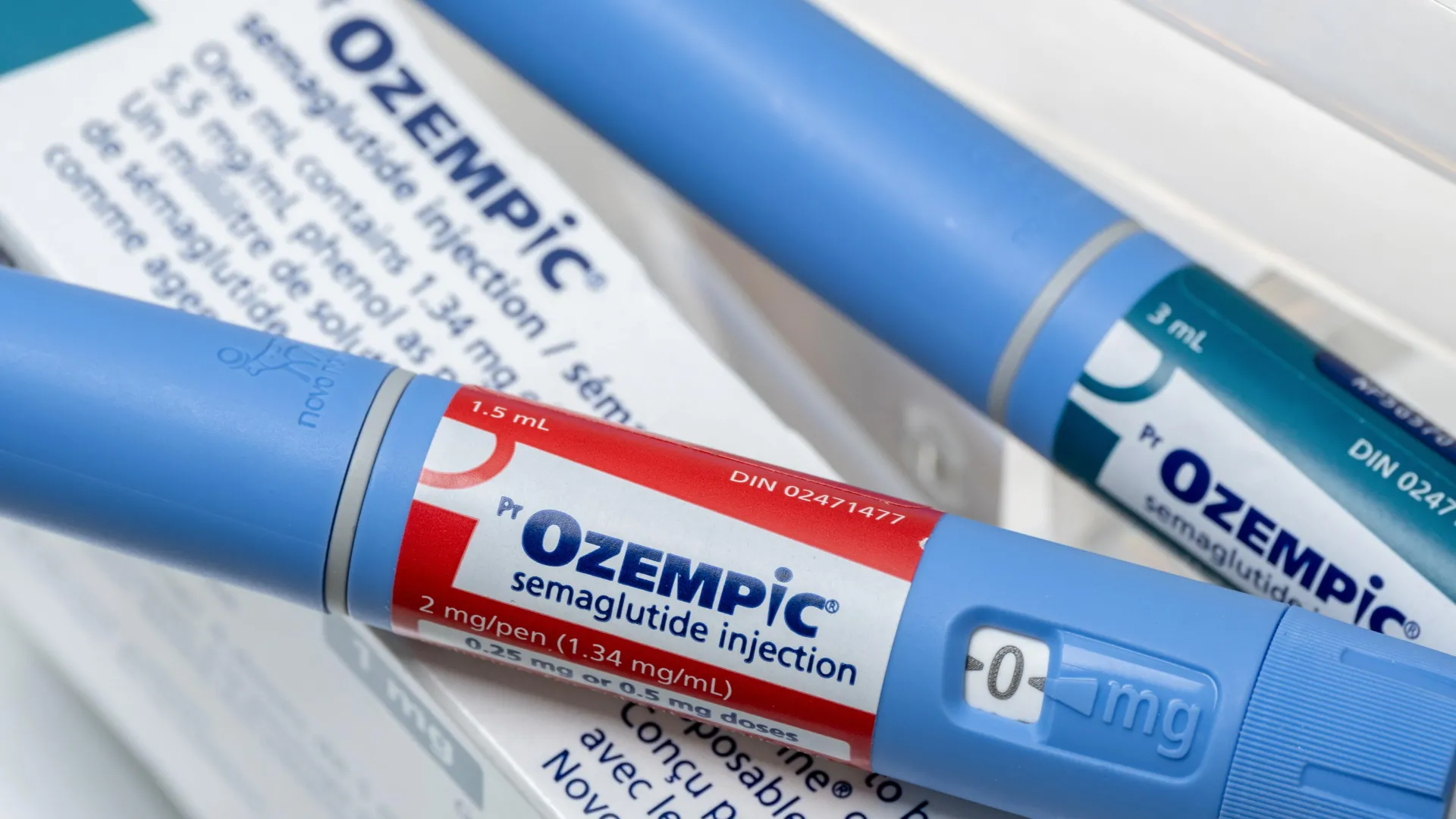
In a breakthrough that could reshape the intersection of metabolic health and pulmonary medicine, new research suggests that semaglutide—the powerhouse medication currently dominating the landscape of type 2 diabetes and obesity management—may offer a significant, unexpected benefit for patients living with chronic respiratory conditions.
Presented at the European Respiratory Society (ERS) Congress in Barcelona, Spain, the study reveals that patients with asthma who are prescribed semaglutide experience a staggering 40% reduction in asthma attacks. These findings, while preliminary, have ignited a conversation among clinicians about the potential for "multi-purpose" therapies that address the underlying metabolic drivers of chronic airway inflammation.
The Core Findings: A New Frontier in Respiratory Protection
The research, led by Professor Chloe Bloom, Clinical Associate Professor in Respiratory Epidemiology at the National Heart & Lung Institute, Imperial College London, and presented by Dr. Bohee Lee, marks one of the most comprehensive real-world investigations into the respiratory impact of glucagon-like peptide-1 (GLP-1) receptor agonists.
By analyzing extensive electronic medical records from across the United Kingdom, the research team conducted four parallel studies. Each study cohort involved between 20,000 and 22,000 participants who had recently commenced treatment with either a GLP-1 receptor agonist or a conventional diabetes medication, such as a sulfonylurea.
The data was unequivocal: patients managing both airway diseases—specifically asthma and Chronic Obstructive Pulmonary Disease (COPD)—and metabolic conditions showed marked improvement in lung health when utilizing GLP-1 therapies. Among the various medications analyzed, semaglutide emerged as the most potent, demonstrating a 40% reduction in asthma-related exacerbations and a 20% reduction in COPD flare-ups.
A Chronology of Discovery: From Metabolic Regulation to Pulmonary Relief
The journey toward these findings began with a growing clinical suspicion that the systemic anti-inflammatory properties of GLP-1 drugs might extend beyond the cardiovascular and metabolic systems.
Historically, asthma and COPD trials have focused heavily on bronchodilators, inhaled corticosteroids, and biologic therapies aimed at specific inflammatory pathways within the lungs. Metabolic health, while recognized as a comorbid factor, was rarely treated as a primary target for lung disease management.
"GLP-1 receptor agonists are widely used to treat type 2 diabetes and obesity," Professor Bloom noted during the presentation. "Previous research suggests that they may have anti-inflammatory effects and may improve lung-related outcomes. However, asthma and COPD outcomes have not been included as endpoints in traditional GLP-1 drug trials."
Recognizing this gap, the Imperial College team set out to bridge the divide between metabolic and respiratory medicine. By leveraging real-world health data, the researchers sought to bypass the limitations of controlled clinical trials, which often exclude patients with complex, co-occurring conditions. This methodology allowed them to observe how these medications perform in the "real world"—where patients often juggle multiple chronic diseases simultaneously.
Supporting Data: Why Semaglutide Stands Apart
The efficacy of GLP-1 receptor agonists is generally attributed to their ability to mimic the GLP-1 hormone, which stimulates insulin secretion and suppresses glucagon, thereby stabilizing blood glucose levels. However, the drug’s secondary effects—such as weight loss and the reduction of systemic pro-inflammatory cytokines—are likely the mechanisms driving the observed pulmonary benefits.
Key Data Insights:
- Study Size: Four parallel cohorts totaling approximately 80,000–88,000 patient records.
- The "Semaglutide Effect": While other GLP-1 medications showed promise, semaglutide demonstrated the highest statistical significance in reducing respiratory crises.
- Comparative Analysis: The control group, which utilized sulfonylureas, did not show the same protective effect against asthma attacks or COPD exacerbations, suggesting that the benefits are specific to the GLP-1 mechanism rather than simply the result of improved blood sugar control.
The 40% reduction in asthma attacks is particularly significant. For a patient suffering from moderate-to-severe asthma, a reduction of this magnitude represents not just a lower reliance on rescue inhalers, but a fundamental shift in quality of life, fewer emergency department visits, and a decreased burden of systemic inflammation.
Official Responses and Clinical Caution
The medical community has greeted the findings with a mixture of enthusiasm and professional caution. Dr. Alexander Mathioudakis, Chair of the European Respiratory Society’s Group on Airway Pharmacology and Treatment and Senior Lecturer at the University of Manchester, provided an independent perspective on the implications of the study.
"Obesity and metabolic dysfunction are common in airways disease and are often under-recognized as problems that can and should be addressed," Dr. Mathioudakis remarked. He emphasized that this study represents a milestone in "airway pharmacology," as it is one of the first to differentiate between the respiratory impacts of individual GLP-1 receptor agonists.
However, both Professor Bloom and Dr. Mathioudakis were quick to issue a disclaimer: this data, while compelling, does not yet constitute a clinical directive.
"The findings from this study are encouraging, but they should not change treatment decisions on their own," Professor Bloom stated. "People with asthma or COPD should not start GLP-1 receptor agonists specifically for their lung condition outside current prescribing guidance. While the findings suggest that some people taking GLP-1 receptor agonists may experience fewer respiratory attacks, this needs confirmation in randomized, controlled clinical trials."
Implications for Future Medicine: A Holistic Approach
The study’s broader implication is the necessity of viewing the human body as an integrated system. For decades, medicine has been siloed into specialties: endocrinology for diabetes, pulmonology for asthma, and cardiology for heart health. This research challenges that structure, suggesting that a drug targeting metabolic pathways could be a key tool in a respiratory physician’s kit.
The Path Toward Personalized Respiratory Care
Dr. Mathioudakis highlighted three critical takeaways for the future of the field:
- Metabolic Integration: Respiratory care must begin to view metabolic health as a foundational component of lung disease management.
- Trial Design: Future clinical trials for metabolic drugs must include respiratory health as a primary or secondary endpoint to validate these real-world observations.
- Personalized Medicine: If confirmed, this could lead to a personalized approach where patients with specific inflammatory profiles (e.g., those with obesity-associated asthma) receive metabolic therapies as part of their comprehensive lung treatment plan.
The Road Ahead: What Patients Should Know
For patients currently taking semaglutide for diabetes or weight management who also suffer from asthma, these findings are undoubtedly positive news. However, the medical consensus is clear: continue your prescribed respiratory regimen.
The researchers are now calling for large-scale, prospective clinical trials that measure lung function, symptom frequency, and overall quality of life. Such studies will determine if the "semaglutide effect" is a direct result of weight loss-related improvements in lung mechanics or if it is a result of the drug’s inherent anti-inflammatory signaling.
As the scientific community moves forward, the synergy between metabolic and respiratory health appears to be a burgeoning frontier. If these results are replicated in clinical trials, we may be looking at a future where a single injection does more than just regulate blood sugar—it may protect the very air that patients breathe.
About the Study
The research discussed was presented at the European Respiratory Society (ERS) Congress in Barcelona, 2024. It was conducted by a research team at the National Heart & Lung Institute, Imperial College London, utilizing anonymized electronic health record data from the UK national health system. Further studies are currently being proposed to investigate the biological mechanisms behind the link between GLP-1 receptor agonists and airway inflammation.