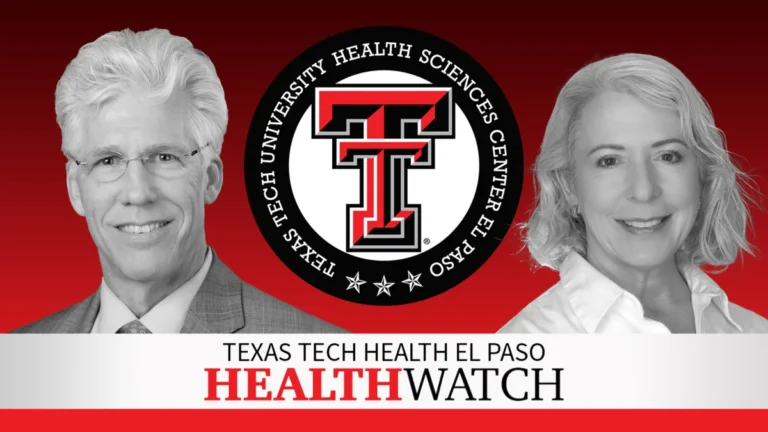









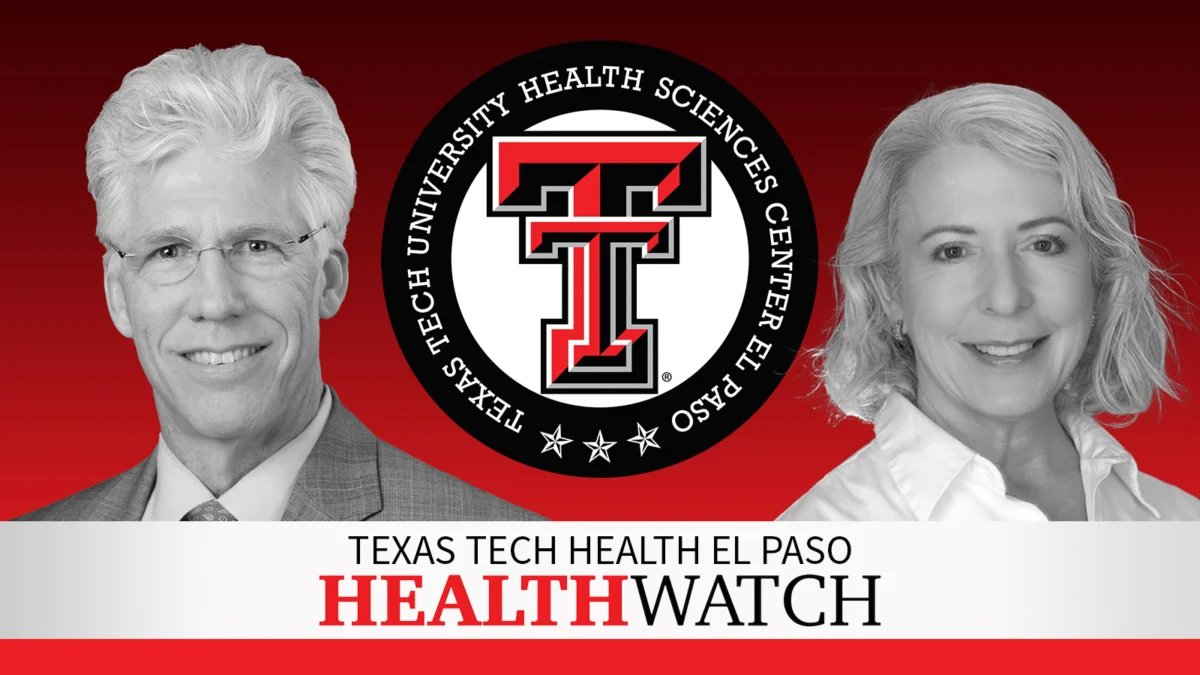
In the rapidly evolving landscape of clinical medicine, separating evidence-based practice from traditional "best guesses" is a constant, necessary challenge. This week, the TTHealthWatch podcast—a collaborative venture between Texas Tech University Health Sciences Center El Paso and medical journalist Elizabeth Tracey—deconstructed several pivotal studies that are reshaping our understanding of cancer survivorship, preventative screenings, and critical care protocols.
Led by Dr. Rick Lange, president of Texas Tech Health El Paso, and Elizabeth Tracey, director of electronic media for Johns Hopkins Medicine, the discussion touched on four major areas: the survival benefits of exercise in oncology, updated colonoscopy intervals, the protective role of COVID-19 vaccination for cancer patients, and the efficacy of sodium bicarbonate in intensive care units.
I. Exercise as Medicine: A New Pillar of Cancer Care
For decades, the medical community has intuited that physical activity is beneficial for cancer patients, but robust, randomized controlled trial (RCT) data has often been scarce. A new meta-analysis published in The BMJ has provided some of the most compelling evidence to date, analyzing 21 RCTs and nearly 8,500 participants.
The Evidence Base
The meta-analysis indicates a 23% improvement in overall survival for cancer patients who engage in structured exercise regimens. Furthermore, the data revealed a 26% reduction in cancer-specific mortality. While these numbers are statistically significant, the study also highlighted that the benefits were most pronounced in patients with high adherence to aerobic exercise programs, particularly those in the early stages of their diagnosis.
Mechanistic Insights
Why does exercise translate to better survival outcomes? The researchers posited several biological mechanisms:
- Enhanced Immune Surveillance: Exercise appears to facilitate the infiltration of cytotoxic T cells and natural killer cells into tumor microenvironments.
- Improved Drug Delivery: By increasing systemic circulation, structured movement may enhance the penetration of chemotherapeutic agents into tumor tissue.
- Metabolic Deprivation: Exercise increases glucose uptake and oxidation in skeletal muscles, potentially starving tumors of the nutrients required for rapid proliferation.
Despite the positive findings, the study authors noted a significant limitation: the majority of participants were women with breast cancer. Future research must broaden the demographic scope to include a more diverse range of cancer types and male participants to confirm if these survival benefits remain consistent across the board.
II. Redefining Colonoscopy Surveillance Intervals
A landmark study published in the New England Journal of Medicine (NEJM) is poised to change gastroenterology guidelines, potentially sparing thousands of patients from unnecessary, invasive, and costly procedures.
The 3-Year vs. 5-Year Question
Current U.S. clinical guidelines often mandate a follow-up colonoscopy just three years after a patient has had an adenoma (polyp) removed. This high-frequency surveillance consumes significant healthcare resources. Researchers sought to determine if extending that interval to five years would increase the risk of colorectal cancer.
Key Findings
In a trial of nearly 11,000 patients, the five-year cumulative incidence of colorectal cancer was identical—0.8%—in both the three-year and five-year surveillance groups. This "non-inferiority" finding suggests that the more aggressive three-year schedule may not offer a superior safety profile. Furthermore, there was no notable difference in the cancer stage at the time of diagnosis between the two cohorts. While this is an interim report of a 10-year study, the current evidence strongly supports a move toward less frequent surveillance for low-to-moderate risk patients.
III. COVID-19 Vaccination and Immune Checkpoint Inhibitors (ICIs)
As cancer treatments evolve, the use of immune checkpoint inhibitors (ICIs) has become a standard of care for many malignancies. However, concerns have persisted regarding whether COVID-19 vaccinations might trigger immune-related toxicities or interfere with the efficacy of these potent therapies.
The French National Cohort Study
Published in Nature Medicine, this study tracked over 95,000 adults in France initiating ICI therapy over a three-year period. The goal was to assess the impact of mRNA vaccination (administered either before or after starting ICI therapy) on all-cause mortality.
Clinical Implications
The findings were reassuring for both oncologists and patients:
- Reduced Mortality: Vaccination was associated with a modest but statistically significant decrease in early all-cause mortality.
- No Treatment Interference: There was no evidence that vaccination dampened the efficacy of immunotherapy, nor was there any indication that it exacerbated life-threatening immune-related complications.
- The "Healthy Recipient" Effect: While the study suggests the mortality benefit might be partially attributed to the general health profile of vaccinated individuals, the core takeaway is that vaccines—including those for flu and respiratory syncytial virus (RSV)—are safe for patients on ICIs.
This study effectively counters the misinformation that often prevents immunocompromised cancer patients from receiving protective vaccinations.
IV. The Utility of Sodium Bicarbonate in Critical Care
In the high-stakes environment of the Intensive Care Unit (ICU), physicians have long sought ways to stabilize patients in shock. Metabolic acidosis is a common complication in these patients, and for years, sodium bicarbonate was frequently administered to raise blood pH and theoretically improve the responsiveness of vasopressors.
The "Futile" Intervention
A pragmatic, multi-center trial published in the New England Journal of Medicine investigated this practice. Across 55 ICUs in seven countries, 500 patients with shock and metabolic acidosis (pH < 7.3) were randomized to receive either sodium bicarbonate or a placebo.
The results were sobering: the primary outcome—a composite of death, the need for renal replacement therapy, or persistent renal dysfunction at 30 days—occurred in 40% of the bicarbonate group and 39% of the placebo group. The study effectively concludes that routine administration of sodium bicarbonate is largely futile in improving survival or kidney outcomes in critically ill adults. This marks another step in modern medicine’s "de-implementation" of traditional but ineffective critical care interventions.
V. Summary of Implications
The discussions held by Dr. Lange and Ms. Tracey highlight a broader shift in modern healthcare:
- Evidence-Based De-escalation: Both the colonoscopy and sodium bicarbonate studies serve as powerful reminders that more treatment is not always better. By relying on rigorous data rather than tradition, clinicians can reduce patient discomfort and resource waste without compromising safety.
- The Proactive Patient: The findings on exercise underscore that patients play an active, vital role in their own prognosis. Oncologists should move toward prescribing "exercise as medicine" alongside traditional therapeutic protocols.
- Vaccine Literacy: The data regarding ICI therapy and vaccination provides a clear roadmap for clinicians to address patient hesitancy. The benefits of routine immunization extend far beyond the prevention of infectious diseases, potentially offering cross-system health benefits that support overall survival.
Conclusion
As the TTHealthWatch team concluded, the path forward in medicine is characterized by a commitment to data that either validates a treatment or, just as importantly, tells us when to stop. By focusing on these high-impact studies, the medical community can continue to refine care, ensuring that patients receive the most effective, evidence-backed treatments available today. For those navigating complex health decisions, the takeaway is clear: consult with your healthcare provider, prioritize structured physical activity, and remain confident in the protective power of routine vaccinations.