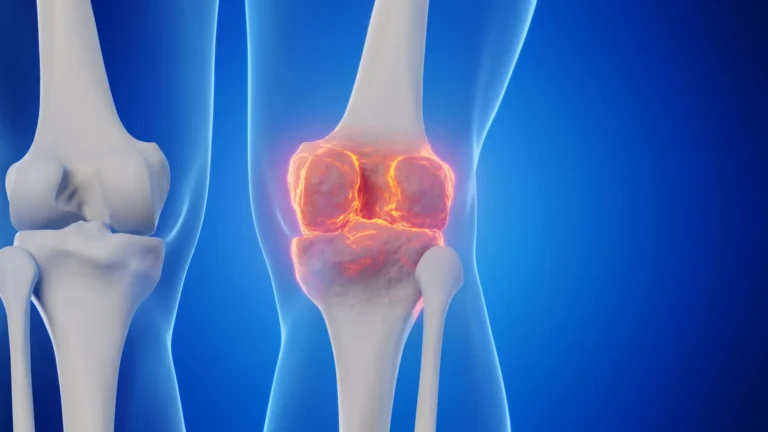







Rheumatoid arthritis (RA)—a debilitating autoimmune condition affecting roughly 1% of the global population—has long presented a formidable challenge to clinicians. Characterized by the immune system’s misguided assault on healthy joint tissue, the disease results in chronic pain, systemic inflammation, and permanent joint destruction. While current pharmacological interventions, such as disease-modifying antirheumatic drugs (DMARDs) and biologics, have improved outcomes, they are frequently hindered by inconsistent patient responses and significant side-effect profiles.
However, a breakthrough study published in the journal Engineering suggests a promising new frontier in therapeutic development. Researchers have identified a natural compound, obakulactone (OL)—a tetracyclic triterpenoid isolated from the traditional medicinal plant Phellodendri cortex—as a potent inhibitor of RA progression. By acting on a previously overlooked molecular pathway, OL not only mitigates physical symptoms in preclinical models but also reshapes the metabolic landscape of the disease, offering hope for a more targeted approach to treatment.
The Molecular Mechanism: A Two-Pronged Attack
The significance of this study lies in its precise identification of how obakulactone functions at the molecular level. Researchers have discovered that OL effectively targets acyl coenzyme A thioesterase 1 (ACOT1), a protein whose dysregulation is intrinsically linked to the inflammatory processes seen in RA.
The compound triggers the ubiquitin-proteasome pathway, essentially “tagging” ACOT1 for degradation by the cell’s internal waste-disposal machinery. This reduction in ACOT1 has a cascading effect: it downregulates stearoyl-CoA desaturase-1 (SCD1), which subsequently suppresses the hyperactive Janus kinase (JAK)-signal transducer and activator of transcription (STAT) and the phosphoinositide 3-kinase (PI3K)-protein kinase B (AKT) signaling pathways. In the context of RA, these pathways are essentially the "engines" of cell survival and inflammatory cytokine production. By throttling these pathways, OL effectively forces abnormal synovial fibroblasts—the cells responsible for joint thickening and cartilage destruction—to stop proliferating and undergo programmed cell death (apoptosis).
Chronology of the Investigation
The journey toward understanding the efficacy of obakulactone was a multi-stage scientific endeavor that spanned several years of rigorous laboratory testing.
Phase 1: In Vivo Efficacy (Days 1–21)
The research team initiated their investigation using a rat model of RA induced by complete Freund’s adjuvant (CFA). For a period of 21 days, the subjects were administered low (50 mg·kg⁻¹·d⁻¹), medium (100 mg·kg⁻¹·d⁻¹), and high (200 mg·kg⁻¹·d⁻¹) doses of OL. The chronology of recovery was striking: as early as the first week, subjects in the high-dose group exhibited a marked decrease in joint circumference. By the end of the 21-day trial, the compound had not only reduced swelling but had visibly restored the integrity of the synovial lining and cartilage structures.
Phase 2: Multiomics Analysis
Following the physical success of the treatment, the researchers utilized advanced multiomics techniques—including metabolomics, MALDI mass spectrometry imaging, and proteomics—to map the biochemical aftermath of the treatment. This phase identified the critical restoration of unsaturated fatty acid metabolism, specifically focusing on arachidonic, linoleic, and α-linolenic acids, which are typically severely disrupted in RA patients.
Phase 3: Validation of the Target
The final phase of the study focused on confirming that ACOT1 was the direct target of OL. Through sophisticated biochemical assays—specifically cellular thermal shift assays, microscale thermophoresis (MST), and surface plasmon resonance (SPR)—the team quantified the binding affinity. The results were consistent, with a dissociation constant (Kd) of approximately 6.18–6.34 μmol·L⁻¹, confirming a stable and specific interaction between the compound and the protein.
Supporting Data: Clinical and Biological Markers
The data gathered throughout the study provides a comprehensive overview of how OL modulates the immune system.
Immunological Rebalancing
One of the most profound effects of OL was its ability to shift the immune environment within the joint. Rheumatoid arthritis is often characterized by an abundance of proinflammatory M1-type macrophages and a depletion of the anti-inflammatory M2-type. Obakulactone successfully reversed this imbalance, pushing macrophages toward the CD206+ (M2) phenotype. Furthermore, the compound significantly suppressed the differentiation of CD4+ T cells into the inflammation-driving Th17 subset, while simultaneously lowering the counts of CD3+ T cells and CD68+ macrophages.
Biochemical Reductions
Blood serum analysis provided further evidence of the compound’s systemic anti-inflammatory power. In a dose-dependent fashion, OL significantly reduced key inflammatory cytokines, including:
- IL-1β, IL-6, and IL-17
- TNF-α (Tumor Necrosis Factor-alpha)
Furthermore, the treatment successfully lowered standardized markers of rheumatoid arthritis activity, such as rheumatoid factor (RF), cyclic citrullinated peptide antibodies (CCP-Ab), C-reactive protein (CRP), and matrix metalloproteinase-3 (MMP-3). These markers are the primary tools clinicians use to assess disease activity and long-term prognosis, and their reduction indicates a systemic dampening of the disease process.
Implications for Future Drug Development
The findings presented in Engineering carry significant weight for the pharmaceutical and rheumatology communities. By identifying ACOT1 as a "druggable" target, the study shifts the focus from broad-spectrum immunosuppression—which can leave patients vulnerable to infections—to a more nuanced approach centered on fatty acid metabolism.
The Shift Toward Metabolic Therapeutics
For decades, RA treatment has been synonymous with cytokine inhibition (e.g., TNF-inhibitors). However, this research suggests that the metabolic reprogramming of synovial fibroblasts may be just as vital. By correcting the disrupted production of unsaturated fatty acids, physicians may eventually be able to "reset" the local environment of the joint, preventing the transformation of normal tissue into the invasive, pannus-forming tissue that characterizes late-stage RA.
Addressing the "Treatment Gap"
Despite the availability of modern biologics, many patients eventually become refractory to their initial medications. The discovery that obakulactone acts via a novel mechanism (the ubiquitin-proteasome degradation of ACOT1) suggests that it could potentially be used in combination with existing treatments to overcome drug resistance. If the compound can be refined for human consumption, it could serve as a bridge for patients who have failed multiple lines of traditional therapy.
Official Perspective and Cautionary Notes
While the scientific community has greeted the results with optimism, the authors and independent experts emphasize the need for tempered expectations.
"The preclinical evidence is compelling," one researcher noted during a post-publication briefing. "We have successfully demonstrated that obakulactone addresses the root cause of joint inflammation in rat models by manipulating cellular waste disposal and fatty acid synthesis. However, the path from a rat model to a clinical pharmacy shelf is long and fraught with regulatory hurdles."
The primary concern remains the translation of these dosages and biological effects to human physiology. Further studies are required to establish the pharmacokinetics and safety profile of OL in human subjects. Questions regarding long-term toxicity, potential drug-drug interactions, and the optimal delivery method remain unanswered.
Nevertheless, the study serves as a masterclass in modern drug discovery. By combining traditional herbal knowledge with cutting-edge multiomics and structural biology, the researchers have provided a blueprint for how we might identify the next generation of autoimmune treatments. As the medical community looks toward the future, obakulactone stands out not merely as a potential medicine, but as a key that may finally unlock the door to managing rheumatoid arthritis through metabolic control.
Future investigations will likely focus on clinical trials to determine if this natural compound can transition from a laboratory discovery to a standard-of-care treatment for the millions living with this chronic, painful disease.