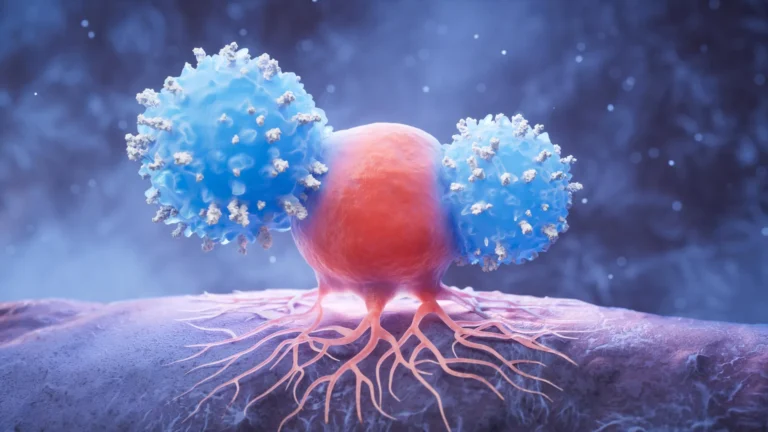






Pancreatic cancer has long been regarded as one of the most formidable challenges in modern oncology. Characterized by a dense, fibrotic, and oxygen-deprived environment, these tumors effectively "hide" from the body’s immune system, creating a "cold" microenvironment that renders conventional immunotherapies largely ineffective. However, a groundbreaking study from the University of Chicago, published in Science Advances, may have finally identified a way to breach these defenses.
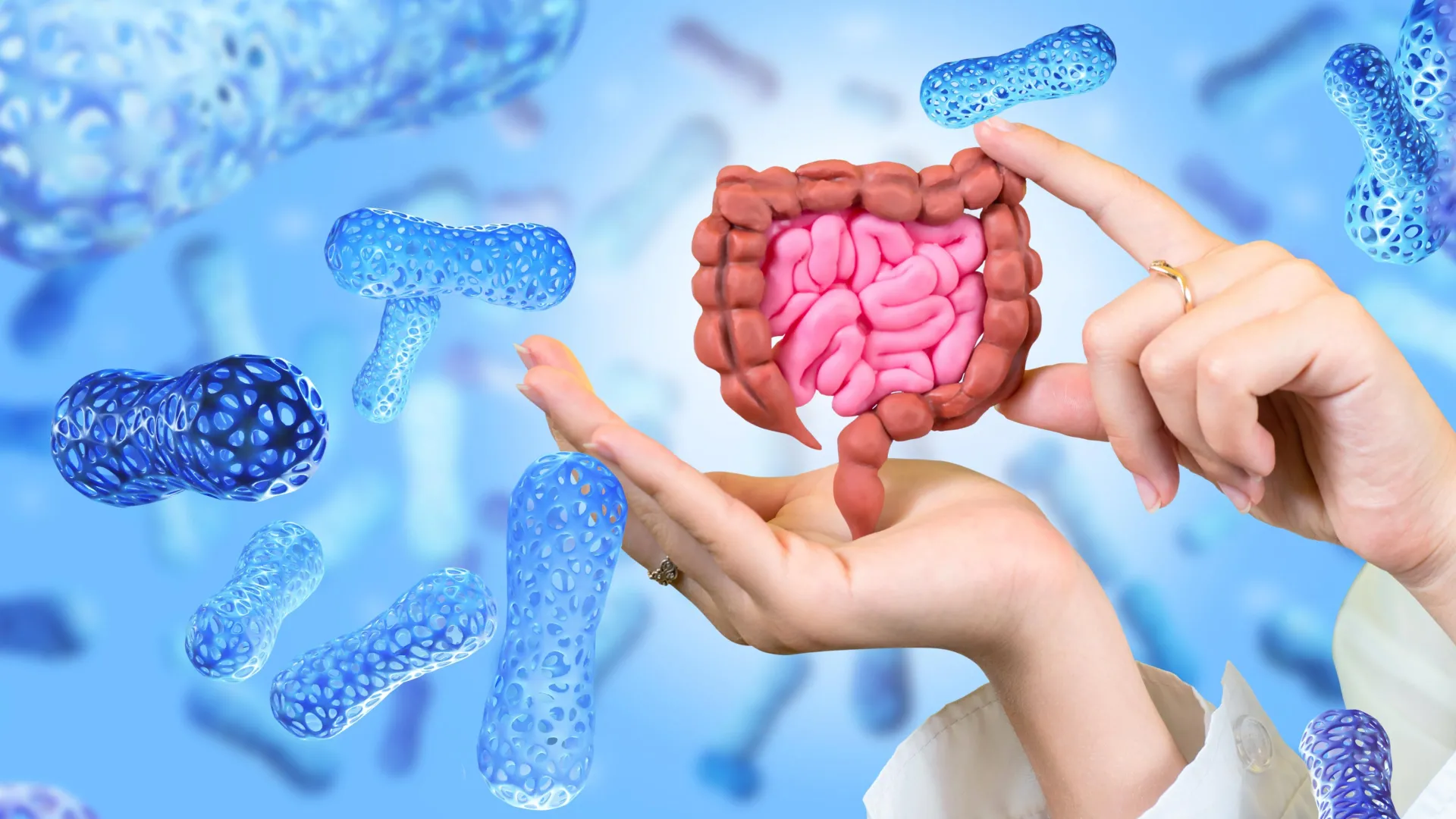
By leveraging the natural biological tendencies of a common gut probiotic, researchers have engineered a "living drug" capable of infiltrating pancreatic tumors and launching a precise, localized immune assault. This innovation marks a significant milestone in the burgeoning field of synthetic biology, offering a glimpse into a future where "bugs as drugs" could transform the prognosis for one of the deadliest forms of cancer.
The Challenge of the "Cold" Tumor
For decades, the rise of cancer immunotherapy—treatments that empower the immune system to recognize and destroy malignant cells—has been a success story for conditions like melanoma and lung cancer. Yet, pancreatic cancer has remained stubbornly resistant. The primary hurdle is the tumor microenvironment (TME). Pancreatic tumors are notoriously "cold," meaning they lack the infiltration of cytotoxic T cells necessary to kill cancer. Instead, they are surrounded by a hostile barrier that excludes immune cells, essentially turning the tumor into an impenetrable fortress.
Standard systemic treatments, such as traditional interleukin-2 (IL-2) therapy, have failed to overcome this barrier. While IL-2 is a potent signaling molecule that activates cancer-fighting T cells, its systemic administration often triggers toxic, body-wide inflammatory responses. Furthermore, it can inadvertently stimulate regulatory T cells, which suppress the immune system and protect the tumor. The University of Chicago team set out to solve this "mountain to climb" by delivering these therapeutic payloads directly to the site of the disease.
Chronology of a Breakthrough
The development of this therapeutic platform, known as BifidoSumIL-2, was not an overnight success. It represented a multi-year, interdisciplinary convergence of expertise.
- Initial Concept Phase: Researchers identified Bifidobacterium longum—a common, safe probiotic found in yogurt—as an ideal delivery vector due to its obligate anaerobic nature. They hypothesized that because solid tumors are often oxygen-poor, the bacteria would naturally migrate to and thrive within the tumor core while being cleared from healthy, oxygen-rich tissues.
- Genetic Engineering: The team utilized synthetic biology to "program" the bacteria to act as microscopic drug factories. They engineered the Bifidobacterium to secrete a modified version of IL-2, dubbed "SumIL-2," which is specifically designed to activate tumor-fighting T cells while bypassing the regulatory cells that often undermine immunotherapy.
- Proof of Concept (Preclinical Models): Using animal models of pancreatic cancer, the team observed that the bacteria successfully colonized the tumors. Once established, the bacteria released SumIL-2, effectively "heating up" the tumor environment and sparking a targeted immune response.
- Integration with Standard Care: Recognizing that no single treatment is a panacea, the team conducted follow-up tests to see how BifidoSumIL-2 interacted with current standard-of-care treatments, including chemotherapy and radiation. The results showed a significant synergistic effect, suggesting that the bacterial therapy could sensitize tumors to conventional medicine.
Supporting Data: Why "Bugs as Drugs" Work
The efficacy of BifidoSumIL-2 is rooted in the unique physiological characteristics of both the bacteria and the tumor.
The Anaerobic Advantage
Bifidobacterium longum is an obligate anaerobe, meaning it can only replicate in environments where oxygen is absent. Pancreatic tumors are notorious for their poor vascularization, which creates vast, oxygen-starved pockets. When the engineered bacteria are injected into the bloodstream, they are immediately cleared from the lungs, liver, and spleen, where high oxygen levels inhibit their growth. However, when they reach the hypoxic environment of a tumor, they bloom, effectively concentrating the therapeutic protein exactly where it is needed.
Precise Molecular Signaling
The "SumIL-2" molecule is a triumph of protein engineering. By refining the signaling pathway, researchers ensured that the immune response is focused on CD8+ T cells—the "soldiers" of the immune system that hunt and destroy cancer. By avoiding the stimulation of regulatory T cells, the therapy avoids the "feedback loop" that often causes tumors to grow back even after an immune attack.
In the study, the combination of BifidoSumIL-2 with anti-PD-L1 immunotherapy, radiation, and chemotherapy led to superior tumor control compared to any of these treatments alone. The data suggests that the bacterial colonization acts as an immune "primer," making the tumor vulnerable to other therapies that might have failed on their own.
Official Responses and Expert Perspective
The interdisciplinary nature of the project was emphasized by the lead researchers, who noted that bridging the gap between microbiology and oncology was the most significant hurdle in the development process.
"A big unmet medical need has been pancreatic cancer, and so that was going to be our mountain to climb," said Dr. Ralph Weichselbaum, the Daniel K. Ludwig Distinguished Service Professor and Chair of Radiation and Cellular Oncology at the University of Chicago. Dr. Weichselbaum highlighted the potential for clinical versatility, noting, "This combination potential is one of the study’s most important findings; BifidoSumIL-2 not only works by itself—it works with radiotherapy, chemotherapy, and immunotherapy."
Dr. Mark Mimee, Assistant Professor of Microbiology, spoke to the logistical difficulties of the work. "Engineering the organism was not simple," Mimee remarked. "It’s anaerobic, it grows slowly, and the genetic tools for manipulating it are much more limited compared to model bacteria like E. coli. We had to bring together people who understand bacteria, people who understand tumors, and people who understand the immune system to make something like this possible."
Implications for the Future of Oncology
While the results are undeniably promising, the researchers urge a measured outlook. BifidoSumIL-2 is still in the preclinical stage, and significant work remains before it can be considered for human clinical trials.
Critical Considerations for Clinical Translation
- Safety Profiles: Future studies must determine the long-term safety of systemic bacterial injections and rule out any potential for unwanted off-target immune activation.
- Oral Delivery: Currently, the treatment is injected. The team is interested in exploring whether the bacteria can be delivered orally, which would be a massive leap forward in patient comfort and ease of treatment.
- Combination with Emerging Therapies: Beyond standard chemotherapy, the researchers plan to investigate whether BifidoSumIL-2 can be paired with cutting-edge targeted treatments, such as KRAS inhibitors, which are beginning to change the landscape of pancreatic cancer care.
The Bigger Picture
The success of this research provides a template for the "bugs as drugs" approach. By turning harmless, probiotic bacteria into highly specific delivery vehicles, oncologists may one day be able to treat a wide range of solid tumors—including those in the breast, prostate, and liver—with minimal systemic toxicity.
As the University of Chicago prepares for the 2027 opening of the AbbVie Foundation Cancer Pavilion, this research stands as a testament to the power of translational medicine. By combining the fundamental laws of microbiology with the clinical urgency of oncology, scientists are not just building better drugs—they are building a new class of medicine that works in harmony with the body’s own biological machinery to overcome one of humanity’s most persistent foes.
The road ahead is long, but for a disease that has historically left patients with few options, the "mountain to climb" is suddenly looking much more conquerable.