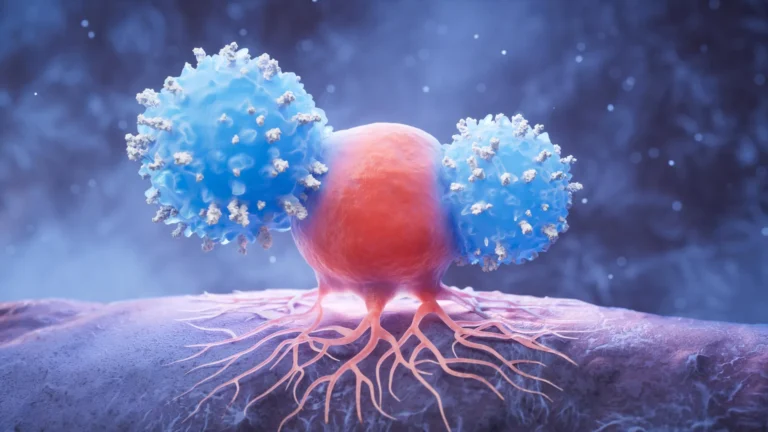





Pancreatic cancer has long been regarded as one of the most formidable adversaries in oncology. Characterized by its aggressive nature and a notoriously hostile tumor microenvironment, it often operates like a fortress, sealing itself off from the body’s immune system and rendering conventional chemotherapy and immunotherapy largely ineffective. However, a groundbreaking study from the Sylvester Comprehensive Cancer Center at the University of Miami Miller School of Medicine has unveiled a potential "chink in the armor."
Researchers have identified a receptor known as IL1RAP—the Interleukin-1 receptor accessory protein—as a critical linchpin in the inflammatory signaling network that allows pancreatic tumors to survive. By targeting this receptor, scientists believe they can dismantle the structural and cellular defenses that protect the tumor, potentially transforming the treatment landscape for patients with operable pancreatic cancer.
The Nature of the Fortress: Why Pancreatic Cancer Defies Treatment
To understand the magnitude of this discovery, one must first understand the battlefield. Pancreatic ductal adenocarcinoma (PDAC) is not merely a collection of malignant cells; it is a complex, biological ecosystem. The tumor thrives within a dense, fibrous "stroma"—a microenvironment composed of immune cells, structural tissues, and fibroblasts that act as a physical and chemical barrier.
This environment is uniquely "inflamed but immune-suppressed." While the tumor sparks an inflammatory response, it simultaneously hijacks the body’s signaling pathways to suppress T-cells—the very cells tasked with identifying and destroying cancer. This creates a state of stalemate where chemotherapeutic drugs struggle to penetrate the dense stroma, and the immune system remains blind to the malignancy.
While recent breakthroughs in KRAS-targeted therapies have provided hope for metastatic patients, these treatments are years away from being adapted for earlier-stage disease. For the thousands of patients diagnosed while their tumors are still surgically removable, the need for more effective, immediate strategies is a clinical imperative.
Chronology: From Bench to Bedside
The journey of this research, recently published in the journal JCI Insight, represents a classic "bench-to-bedside" evolution.
The Discovery Phase: Dr. Jashodeep Datta, a pancreatic and hepatobiliary surgical oncologist at Sylvester, and his team began by investigating the molecular drivers that allow pancreatic tumors to communicate with their surrounding environment. They identified IL1RAP as a "shared helper" receptor—a central hub that many inflammatory signals must pass through to transmit their instructions to the tumor’s support network.
The Preclinical Breakthrough: In laboratory models, the team discovered that by inhibiting IL1RAP, they could fundamentally alter the tumor’s microenvironment. The results were striking: the dense, fibrotic tissue began to soften, the population of immunosuppressive cells dwindled, and, crucially, T-cells regained their vigor and ability to infiltrate the tumor.
The Translational Leap: Recognizing the potential to translate these findings into human health, the team applied for and secured a highly competitive $800,000 Translational Research Grant from the V Foundation. This funding, awarded to only a select few research teams annually, provided the necessary resources to transition from animal models to the design of a human clinical trial.
The Current Milestone: Sylvester Comprehensive Cancer Center is now officially moving toward a first-of-its-kind neoadjuvant clinical trial. This trial will test the efficacy of combining IL1RAP-targeted therapy with chemoimmunotherapy in patients with operable pancreatic cancer before they undergo surgery.
Supporting Data: Unmasking the Mechanism
The efficacy of the proposed treatment lies in its "systems-based" approach. Rather than attempting to poison the cancer cells directly—a strategy that often leads to resistance—the Sylvester team is targeting the infrastructure that sustains the cancer.
Data from the preclinical study indicates that IL1RAP acts as a bridge, linking tumor cells, immune cells, and fibroblasts into a coordinated, protective system. By blocking this receptor, researchers observed three primary shifts in the tumor biology:
- Reduction in Fibrosis: The excessive collagen and structural proteins that make pancreatic tumors "stiff" and difficult for drugs to penetrate were significantly reduced.
- Immune Reinvigoration: The suppression of the immune system was lifted. T-cells, which had previously been rendered inactive by the tumor’s chemical signaling, became more active and better equipped to attack the malignant cells.
- Increased Sensitivity: Tumors that were previously resistant to standard chemotherapy began to show a stronger, more lethal response to combined treatment regimens.
These findings suggest that IL1RAP is not just a biomarker, but a functional vulnerability. By disrupting this control point, the team is effectively "softening" the tumor, making it susceptible to therapies that previously failed to gain traction.
Official Perspectives: A Landmark Development
The clinical trial, currently being organized at the University of Miami, is viewed by the medical community as a sophisticated approach to a long-standing stalemate.
"When we target IL1RAP, we are blocking a shared ‘helper’ receptor that many inflammatory signals rely on to transmit their message," said Dr. Jashodeep Datta, the study’s senior author and co-leader of the Gastrointestinal Site Disease Group at Sylvester. "Moving this work into a clinical trial is a landmark development for our GI cancer program. We’re testing a clear, patient-centered strategy to disrupt IL1RAP using a treatment plan that can be delivered in the clinic."
The clinical design is intentionally meticulous. Because patients will receive the targeted therapy in a neoadjuvant setting—that is, before their scheduled surgery—the researchers will have a unique biological window. They will be able to analyze the tumor tissues before the therapy is administered and again after the surgery. This direct comparison will allow the team to document exactly how the cancer’s biology shifts in response to the treatment, providing a wealth of data that could refine future protocols.
Dr. Peter Hosein, a co-author of the study and associate director for clinical research at the Sylvester Pancreatic Cancer Research Institute (SPCRI), emphasized the importance of this human-centric data. "Every new approach helps us learn more," Dr. Hosein noted. "This trial gives us a unique window to connect the science directly to patient outcomes, which is essential for moving the field forward."
Clinical Implications: The Future of Pancreatic Care
The move toward an IL1RAP-targeted trial signals a paradigm shift in how oncology departments approach "operable" cancers. Historically, surgery has been the primary goal, with chemotherapy often serving as a secondary, "mop-up" measure. This new strategy flips the script: it uses systemic therapy to prime the microenvironment before the surgeon’s knife ever touches the patient.
If successful, this approach could significantly improve the "pathological complete response" rate—the percentage of patients who have no detectable cancer remaining in the surgical specimen after treatment. Furthermore, by identifying the specific molecular signatures of patients who respond best to IL1RAP inhibition, the team hopes to pave the way for a more personalized medicine approach to pancreatic cancer.
A Beacon of Hope
The support from the V Foundation underscores the national significance of this research. The rigorous peer-review process ensures that only the most promising "bench-to-bedside" projects receive funding. By choosing the Sylvester team, the foundation has validated the strategy of targeting the tumor’s "support network" rather than just the tumor cells themselves.
As the medical community watches the progress of this trial, the broader implication is clear: the siege of pancreatic cancer is being met with a new, multifaceted strategy. By stripping away the inflammatory fortress that protects the malignancy, researchers are finally creating a path where the immune system and modern medicine can effectively reclaim the ground lost to this devastating disease.
While there is still a long road of clinical verification ahead, the identification of IL1RAP as a vulnerability marks a critical, scientifically grounded step forward in the quest to turn one of the world’s deadliest cancers into a manageable—and perhaps, eventually, a curable—condition.