










In the historically hyper-masculine and often bravado-heavy world of hip-hop, the admission of vulnerability was once considered a career-ending risk. However, a seismic shift is occurring. Over the past decade, some of the genre’s most influential figures have traded lyrics of invincibility for candid reflections on psychiatric health. By utilizing their global platforms to discuss bipolar disorder, these artists are dismantling centuries-old stigmas and fostering a new, more honest dialogue about mental wellness in communities where such topics were once strictly taboo.
Main Facts: Hip-Hop as a Catalyst for Mental Health Advocacy
Bipolar disorder, a mental health condition characterized by significant mood swings ranging from depressive lows to manic highs, affects millions globally. Despite its prevalence, it remains widely misunderstood. In the music industry, particularly hip-hop, the "tortured genius" trope has often masked the reality of the disorder. However, artists like Ye (Kanye West), Lil Nas X, and the late DMX have begun to strip away the artifice, revealing the clinical realities behind the creative output.
The significance of these disclosures cannot be overstated. According to mental health advocates, when high-profile figures in the Black and South Asian communities—groups that statistically face higher barriers to mental health care and greater social stigma—speak openly about their diagnoses, it creates a "trickle-down" effect of acceptance. These artists are not merely sharing personal anecdotes; they are providing a vocabulary for their fans to understand their own emotional states.
Chronology: A Decade of Public Disclosure and Advocacy
The timeline of mental health transparency in hip-hop reflects a gradual opening of the cultural floodgates:
- 2011–2014: Early pioneers like Charles Hamilton and Krizz Kaliko began integrating their psychological struggles into their discographies, moving beyond vague references to "pain" and toward specific clinical terminology.
- 2014–2016: International superstar Yo Yo Honey Singh disappeared from the public eye at the height of his career, later returning in 2016 to reveal a dual diagnosis of bipolar disorder and alcohol addiction, sparking a massive conversation in the Indian entertainment industry.
- 2018: Ye (Kanye West) released his album Ye, featuring a cover that explicitly referenced bipolar disorder, marking perhaps the most high-profile acknowledgment of the condition in music history.
- 2021: The death of DMX brought a somber focus to the intersection of trauma, addiction, and bipolar disorder, highlighting the life-and-death stakes of mental health management.
- 2025–2026: In a recent and highly publicized turn of events, Lil Nas X utilized social media to detail his own diagnosis following a period of legal and personal crisis, representing a new generation of artists who view mental health transparency as a fundamental part of their brand identity.
Supporting Data: Profiles in Resilience
The following six artists represent a cross-section of the genre, each contributing a unique perspective to the conversation surrounding bipolar disorder.
1. Lil Nas X: Navigating "Extreme Hard Mode"
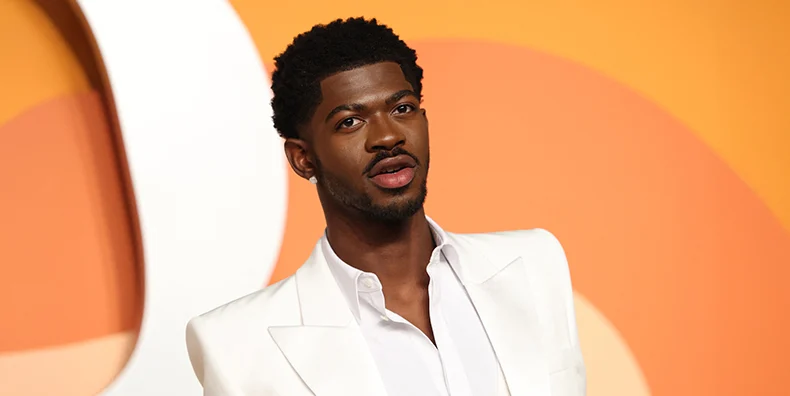
Montero Lamar Hill, known as Lil Nas X, has built a career on subverting expectations. Following a 2025 arrest and subsequent stint in rehabilitation, the "Old Town Road" artist took to Instagram in June 2026 to confirm his bipolar diagnosis. His disclosure was notable for its intersectional perspective. By describing the experience of being Black, gay, and bipolar as "living life on extreme hard mode," Hill highlighted the compounding pressures of multiple marginalized identities. His journey into a court-approved mental health diversion program emphasizes a shift toward rehabilitation over incarceration for those dealing with psychiatric crises.
2. Krizz Kaliko: The Weight of the Daily Grind
Samuel William Christopher Watson, or Krizz Kaliko, has been a stalwart of the independent rap scene for decades. Unlike artists who focus on the "grandeur" of mania, Kaliko’s work, particularly the track "Bipolar" from his album Genius, focuses on the exhausting "daily psychological weight" of the condition. He has been an advocate for clinical intervention, openly discussing his reliance on psychotherapy and anti-anxiety medications. For Kaliko, the music is a tool for survival, providing a rhythmic structure to the chaos of shifting moods.
3. Ye (Kanye West): The "Superpower" Controversy
Ye’s relationship with his diagnosis is perhaps the most complex in modern pop culture. Since the 2018 release of Ye, he has oscillated between viewing bipolar disorder as a "superpower" that fuels his creative genius and describing it as a "sprained brain." While his refusal to maintain a consistent medication regimen has been a source of public concern and controversy, his candidness regarding "acute manic episodes" and the accompanying paranoia has provided a raw, unvarnished look at the condition that few other celebrities are willing to show.
4. Charles Hamilton: Overcoming the Walls of Isolation
Harlem-born producer and rapper Charles Hamilton was once one of the most promising voices in underground hip-hop. However, his career was frequently interrupted by the symptoms of his then-undiagnosed bipolar disorder. In interviews with Billboard, Hamilton detailed a period of profound isolation where he refused to leave his home, driven by a deep-seated distrust of the outside world. His story serves as a cautionary tale about the dangers of "shutting oneself in" and the transformative power of finally receiving a correct diagnosis and professional support.
5. DMX: The Spiritual Battle with Trauma
The late Earl Simmons, known as DMX, was the embodiment of raw emotion. His music was a battleground where faith, addiction, and bipolar disorder clashed. DMX’s transparency about his "inner demons" resonated with a demographic of men who felt ignored by traditional healthcare systems. Before his passing in 2021, he spoke frequently about how early childhood trauma exacerbated his mood swings, reinforcing the medical community’s understanding of how environment and biology interact in bipolar patients.
6. Yo Yo Honey Singh: Challenging Global Stigma
In the Indian music industry, where the stigma surrounding mental illness can be particularly suffocating, Yo Yo Honey Singh’s 18-month hiatus and subsequent disclosure in 2016 were revolutionary. By admitting that his absence was due to bipolar disorder rather than the rumors of "rehab for drugs" that had circulated, Singh forced the Bollywood establishment to confront the reality of mental health. His return to the spotlight served as a beacon of hope for millions of fans in South Asia.
Official Responses: The Industry and Medical Community
The response to these disclosures has been a mixture of institutional support and ongoing concern.
Legal and Clinical Frameworks:
In the case of Lil Nas X, the Los Angeles judicial system’s decision to approve a mental health diversion program reflects a growing trend in the legal community to treat mental health issues as clinical rather than criminal matters. Dr. Sarah Jenkins, a clinical psychologist specializing in the entertainment industry, notes, "When an artist of Lil Nas X’s stature enters a diversion program, it validates the idea that mental health treatment is a legitimate and necessary path to recovery, potentially influencing how fans view their own legal or personal struggles."
The Music Industry’s Role:
Major labels and management firms have slowly begun to implement "wellness riders" and provide access to mental health professionals for touring artists. However, critics argue that the industry still profits from the "manic energy" of bipolar artists while failing to provide adequate support during the inevitable depressive crashes.
Implications: Changing the Cultural Landscape
The bravery of these six rappers has far-reaching implications that extend beyond the music charts.
Redefining Masculinity
In hip-hop, the traditional "toughness" trope is being replaced by a "resilience" trope. Resilience, in this new context, is the ability to seek help and manage one’s mental health. This shift is particularly vital for young Black and Brown men, who are statistically less likely to seek mental health services due to cultural stigmas and a lack of representative providers.
Global Impact and De-Stigmatization
The international reach of artists like Yo Yo Honey Singh and Ye means that conversations about bipolar disorder are happening in regions where the topic was previously silenced. This global "normalization" of the disorder helps to reduce the shame associated with diagnosis, encouraging more people to seek early intervention.
The Power of Representation
Representation in media matters because it provides a mirror for the viewer. When a fan sees a Grammy-winning artist like Lil Nas X or a legend like DMX grappling with the same mood swings, paranoia, or medication struggles they face, it reduces the "otherness" of the condition. It transforms a frightening medical diagnosis into a manageable part of a complex human life.
In conclusion, while the path to mental wellness remains a challenging one for those living with bipolar disorder, the voices of these artists have ensured that no one has to walk that path in total silence. Through their lyrics, interviews, and public lives, they have turned their personal struggles into a public service, proving that even in "extreme hard mode," recovery and creativity can coexist.