




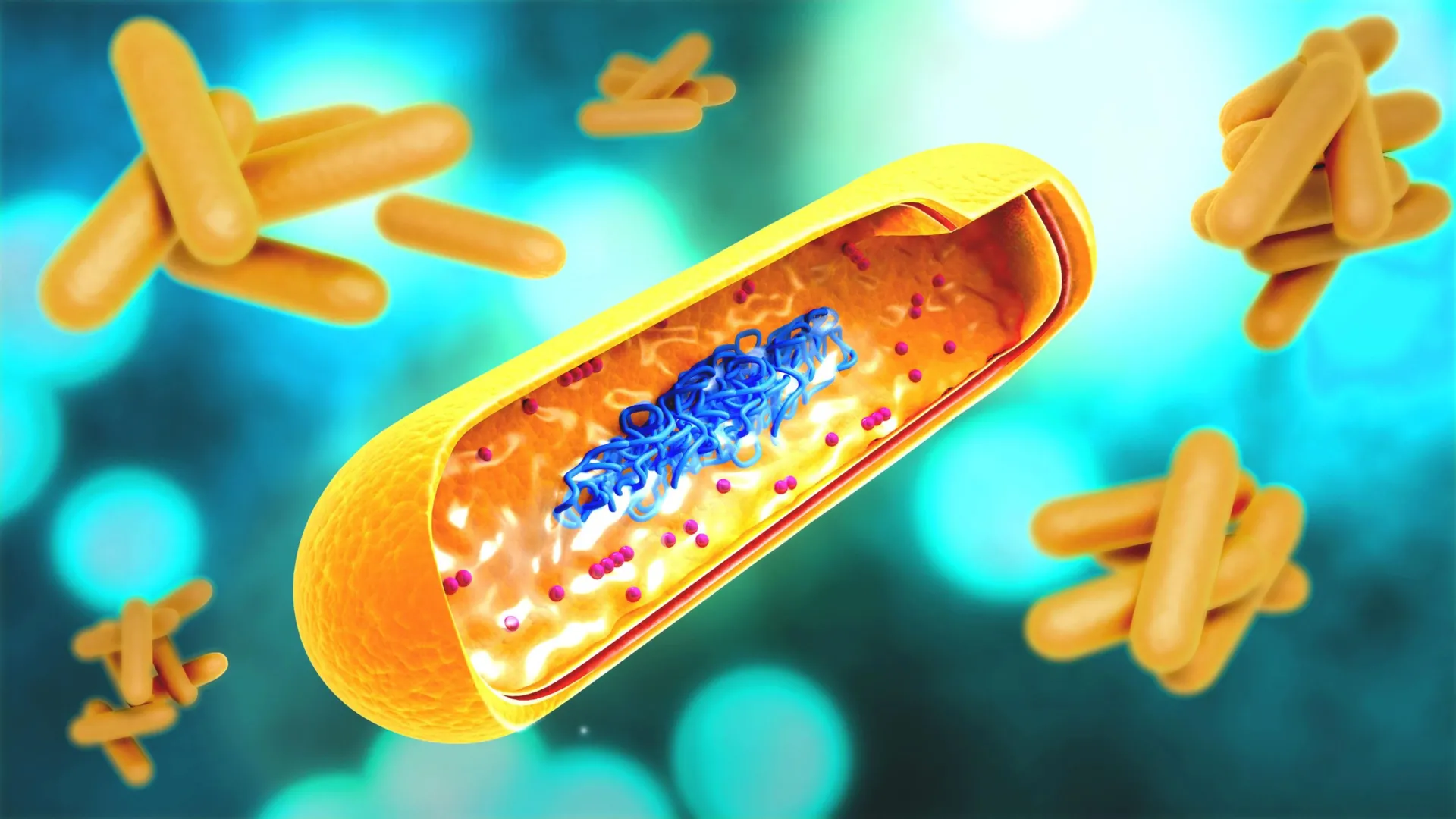
For over 6,000 years, Mycobacterium tuberculosis (TB) has stalked humanity, claiming more lives than perhaps any other infectious pathogen in recorded history. Despite the availability of antibiotics, the disease remains a global health crisis, exacerbated by the emergence of multidrug-resistant strains and the biological "stealth mode" employed by the bacteria to evade treatment.
Now, a team of researchers from Johns Hopkins Medicine and the Johns Hopkins Bloomberg School of Public Health has unveiled a promising new weapon: an experimental, intranasal DNA therapeutic vaccine. By targeting the "persister" bacteria that survive standard drug regimens, this novel approach could redefine how we treat one of the world’s deadliest diseases.
The Persistent Enemy: Why TB Remains a Global Threat
The scale of the tuberculosis epidemic is staggering. According to the World Health Organization (WHO), roughly two billion people—one-quarter of the global population—carry latent TB infections. While these individuals may remain asymptomatic, they act as a reservoir for the disease. In 2024 alone, more than 10 million people developed active TB, and 1.2 million succumbed to the illness, solidifying its status as the leading cause of death from a single infectious agent.
The fundamental challenge in treating TB lies in the nature of the bacterium itself. Standard antibiotic therapies are highly effective at killing actively replicating bacteria but often fail to eradicate "persisters." These are dormant or slow-growing bacteria that enter a drug-tolerant state to survive hostile conditions, such as nutrient deprivation or the presence of antibiotics. When treatment ends, these survivors can "wake up," leading to a relapse of the disease. This reality necessitates long, complex, and often difficult-to-complete treatment regimens, which further contribute to the rise of drug-resistant TB.
A New Frontier: The Intranasal DNA Fusion Vaccine
The research, published in the Journal of Clinical Investigation, details a breakthrough approach designed to complement, rather than replace, traditional chemotherapy. By focusing on the respiratory mucosa—the very site where TB infection typically begins—the researchers have developed a vaccine that recruits the body’s own immune system to hunt down the elusive persisters.
The Mechanics of the Vaccine
The vaccine is a DNA fusion construct that combines two specific genes: relMtb and Mip3α.
- Targeting the Survival Mechanism: The relMtb gene is essential to the bacterium’s survival strategy. It produces a protein, RelMtb, which allows the microbe to shift into its drug-tolerant, persistent state. By including this gene in the vaccine, the researchers are essentially training the immune system to recognize the specific "molecular machinery" the bacteria use to hide.
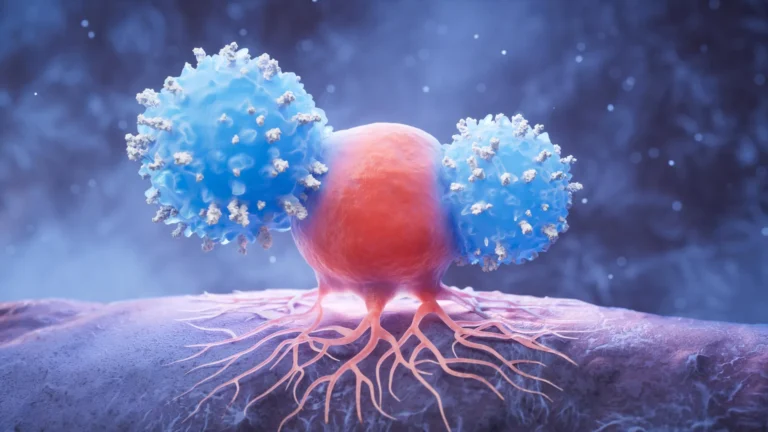
- The "Beacon" for Immune Cells: The Mip3α gene serves a different, equally critical purpose. It creates a biological signal that acts as a beacon, drawing immature dendritic cells to the site. Dendritic cells are the "sentinels" of the immune system; they capture foreign proteins and "present" them to T cells. Once primed, these T cells coordinate a precise, aggressive attack on the bacteria.
By fusing these two genes, the vaccine not only marks the enemy but also mobilizes the specialized forces needed to destroy it.
Chronology of the Research and Development
The journey toward this therapeutic vaccine has been a multi-year effort of rigorous bench-to-bedside translational science.
- Initial Conceptualization: The team hypothesized that immunotherapy could "flush out" or destroy persisters where antibiotics fall short. They focused on DNA vaccine technology due to its stability and efficiency of production.
- Mouse Efficacy Trials: The researchers first tested the vaccine in mouse models. The results were striking: when administered alongside first-line TB drugs, the vaccine enabled the subjects to clear the infection significantly faster. Furthermore, it reduced lung inflammation and, crucially, prevented disease relapse once the antibiotic course was completed.
- Broadening the Scope: Recognizing the urgency of drug-resistant TB, the team evaluated the vaccine’s efficacy when paired with potent drug combinations such as bedaquiline, pretomanid, and linezolid. The data showed that the vaccine improved the performance of these drugs, suggesting a potential role in treating even the most recalcitrant, multidrug-resistant cases.
- Primate Translation: In the most recent phase, the team moved to rhesus macaques. This was a vital step, as the primate immune system shares significant structural and functional similarities with the human immune system. The vaccine successfully generated robust, TB-specific immune responses in both the blood and the airways, which persisted for at least six months.
Supporting Data: Evidence of Immune Fortification
The success of the vaccine lies in its ability to generate both localized and systemic protection. In animal studies, the researchers observed a marked increase in the recruitment and organization of dendritic cells within lung tissue.
This organization is crucial; it ensures that the "education" of T cells happens exactly where it is needed most—in the respiratory tract. The vaccine generated durable, antigen-stimulated responses from both CD4 (helper) and CD8 (killer) T cells. These responses remained measurable for half a year in nonhuman primates, suggesting that the vaccine could provide the long-term, "memory-based" protection required to prevent future relapses in human patients.
Official Perspectives: The Path Forward
Dr. Styliani Karanika, the lead author of the study and an assistant professor of medicine at the Johns Hopkins University School of Medicine, emphasizes the importance of this work as a "translational bridge."
"Administered together with first-line TB drug therapy, our intranasal DNA fusion vaccine helped infected mice clear the disease bacteria faster, reduced lung inflammation and prevented relapse after treatment ended," Dr. Karanika noted. "The vaccine also helped the powerful TB drug combination of bedaquiline, pretomanid and linezolid work better, suggesting it could be used with treatments against drug-resistant TB to help the body fight the disease, even hard-to-treat cases."
While the primate data is highly encouraging, Dr. Karanika remains cautious and professional regarding the timeline. She notes that the primate study was an assessment of immune activation, not a challenge study involving live infection. Consequently, significant additional preclinical work is required before the vaccine can be introduced into human clinical trials.
The team’s perspective is that this vaccine represents a fundamental shift in strategy: moving away from a reliance on antibiotics as the sole agents of destruction and toward a dual-action model where immunotherapy actively clears the persistent bacterial load that antibiotics miss.
Implications: A New Era for Public Health
The potential implications of this research are profound. If these results can be replicated in humans, the vaccine could solve several persistent problems in TB control:
- Shortened Treatment Regimens: One of the greatest barriers to TB recovery is the length of time patients must remain on medication. By clearing persisters faster, the vaccine could shorten the duration of therapy, leading to better patient compliance and fewer opportunities for the bacteria to develop further drug resistance.
- Addressing Drug-Resistant Strains: With the global rise of multidrug-resistant TB, this vaccine offers a secondary line of defense that works independently of the bacterial resistance mechanisms that neutralize conventional drugs.
- Practical Scalability: DNA vaccines are generally stable and cost-effective to produce. This makes the Mip3α/relMtb vaccine a viable candidate for distribution in the regions most heavily affected by TB, where healthcare infrastructure may be limited.
Collaborative Support and Funding
This research was made possible through a broad coalition of support, reflecting the high priority placed on TB research by federal and private institutions. Primary federal funding was provided by the National Institutes of Health (NIH), with additional support from the Gilead HIV Research Scholar Award, the Johns Hopkins Tuberculosis Research Advancement Center, and various private foundations, including the Willowcraft and Potts Memorial foundations.
It is worth noting that several members of the research team, including Drs. Karanika, Gordy, Markham, and Karakousis, are inventors on the patent for this specific vaccine technology, underscoring the innovative nature of the intellectual property developed at Johns Hopkins.
Conclusion
The war against tuberculosis is far from over, but the development of this intranasal vaccine offers a glimmer of hope. By effectively "arming" the respiratory system to recognize and eliminate the hidden, persistent reservoirs of Mycobacterium tuberculosis, this approach could fundamentally alter the trajectory of the disease. As the team moves toward the next stages of preclinical validation, the scientific community watches with anticipation, hopeful that this innovative fusion of immunology and vaccinology will finally provide the tools necessary to eradicate this ancient, deadly foe.