










BOULDER, CO / ANTWERP, BELGIUM – In a groundbreaking discovery poised to redefine the landscape of post-stroke care, new research from the University of Colorado Boulder and the University of Antwerp has unveiled a critical mechanism explaining why a significant number of stroke patients fail to achieve full neurological recovery, even after the primary obstructive clot has been successfully removed. The study, published in the prestigious journal PNAS, points to the insidious role of persistent micro-clots, driven by an overactive von Willebrand factor and an exacerbated inflammatory response, as the hidden culprits behind this enduring medical mystery.
This revelation offers not only a profound understanding of the phenomenon known as "no reflow"—where blood flow to brain tissue remains compromised despite a cleared major vessel—but also identifies promising new therapeutic targets. These findings could pave the way for adjunctive treatments that dramatically improve long-term outcomes for the millions worldwide affected by ischemic stroke, offering a beacon of hope for patients and their families.
Main Facts: A Paradigm Shift in Understanding Post-Stroke Complications
The central finding of this collaborative research is a game-changer in stroke pathophysiology. For years, clinicians and researchers have grappled with the perplexing reality that even after the successful mechanical or pharmacological removal of a large blood clot causing an ischemic stroke, up to 50% of patients experience suboptimal neurological recovery. This persistent deficit, often termed "no reflow," has been attributed to various factors, but a definitive, actionable mechanism remained elusive.
The new study meticulously details how the body’s own defense mechanisms, initially designed to protect against bleeding, can paradoxically turn against the brain during the critical post-recanalization phase of an ischemic stroke. Specifically, researchers identified that turbulent blood flow, induced by the restoration of circulation after the main clot is cleared, causes a protein called von Willebrand factor (vWF) to unfold and become hyperactive. This hyperactive vWF, in concert with an unchecked inflammatory response, then triggers the formation of myriad tiny clots within the brain’s delicate microvasculature. These micro-clots effectively re-block blood flow at a capillary level, starving neurons of oxygen and nutrients long after the initial obstruction is gone, leading to irreversible damage and poor patient outcomes.
This discovery is significant for several reasons:
- Clarifies "No Reflow": It provides a concrete, mechanistic explanation for the previously enigmatic "no reflow" phenomenon.
- Identifies New Targets: It pinpoints von Willebrand factor and specific inflammatory pathways as novel targets for therapeutic intervention.
- Translational Potential: Crucially, some drugs that modulate vWF activity or inflammation already exist and are approved for other conditions, suggesting a potentially accelerated path to clinical trials for stroke patients.
- Interdisciplinary Success: The research exemplifies the power of interdisciplinary collaboration, combining mechanical engineering principles of fluid dynamics with biological insights into coagulation and inflammation.
The implications are far-reaching, promising a future where the efficacy of current life-saving stroke interventions can be significantly enhanced, transforming the lives of countless individuals who currently face a challenging and often incomplete recovery.
The Unseen Obstacle: Delving into the "No Reflow" Phenomenon
Ischemic stroke represents a devastating global health challenge, striking approximately 21,000 individuals worldwide every single day. This catastrophic event unfolds when a blood clot obstructs an artery supplying blood to the brain, leading to an immediate deprivation of oxygen and vital nutrients. Within minutes, brain cells, or neurons, begin to die, triggering a cascade of irreversible damage that can result in profound long-term disability or even death. The urgency of treatment is paramount, as "time is brain," with every minute of delayed blood flow increasing the risk of permanent neurological impairment.
The Immediate Aftermath: A Global Health Challenge
In recent decades, significant advancements in acute stroke care have revolutionized the prognosis for many patients. The advent of clot-busting drugs, such as tissue plasminogen activator (tPA), which dissolve the offending clot, and sophisticated mechanical thrombectomy tools, which physically extract large vessel occlusions, have dramatically improved immediate outcomes. These interventions have the power to restore blood flow and rescue brain tissue that is "at risk" but not yet irreversibly damaged. For many, successful recanalization—the reopening of the blocked vessel—is a critical first step towards recovery, sometimes leading to miraculous improvements.
However, a perplexing and frustrating reality has persisted: despite these revolutionary treatments, a substantial proportion of patients, up to 50%, do not achieve the anticipated neurological recovery. Even when angiography confirms the complete removal of the primary clot and the restoration of blood flow in the major cerebral arteries, the delicate network of smaller blood vessels, the microvasculature, often remains compromised. This phenomenon, where macrovascular flow is restored but microvascular perfusion remains inadequate, is medically termed "no reflow." It has been a persistent enigma, a silent impediment to full recovery, leaving clinicians and patients alike wondering why such a crucial intervention doesn’t always translate into a complete neurological turnaround. The impact on patients is profound, leading to prolonged hospital stays, extensive rehabilitation needs, and a significantly diminished quality of life.
The Collaborative Quest for Answers
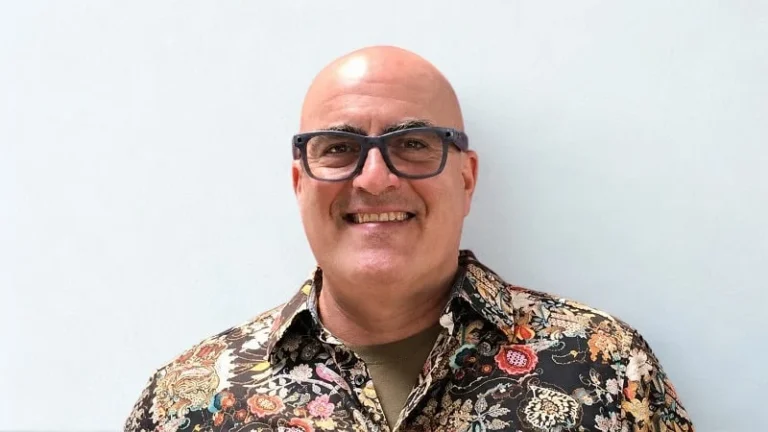
To unravel the enduring mystery behind "no reflow," a unique interdisciplinary collaboration was forged between Debanjan Mukherjee, an assistant professor of mechanical engineering at CU Boulder, renowned for his expertise in the physics of blood flow, and Frederik Denorme, an assistant professor of biology at the University of Antwerp, whose research focuses on the intricate biological processes that unfold in the brain "life after the clot." Their combined expertise offered a powerful lens through which to examine this complex biomedical problem.
Denorme vividly articulates the shift in scientific understanding that their research represents: "The dogma used to be that you just need to get rid of that blood clot and then all problems should be solved. We now know that is not the case." This statement underscores a paradigm shift from a simplistic view of stroke as merely a plumbing problem to a more nuanced understanding that encompasses intricate biological and biophysical interactions within the brain’s vasculature.
The statistics on post-stroke recovery paint a stark picture of the challenge. Only about 1 in 10 surviving stroke patients recover completely without any residual neurological deficits. A quarter of patients experience minor impairments that may still impact their daily lives, while a staggering half contend with moderate to severe impairments, necessitating ongoing care, rehabilitation, and often, significant adjustments to their lifestyle and independence. This profound burden on individuals, families, and healthcare systems highlights the urgent need for a deeper understanding of the mechanisms driving incomplete recovery, a void that the research by Mukherjee and Denorme now seeks to fill. Their collaborative spirit and willingness to challenge established dogmas have illuminated a critical pathway to potentially improve these sobering statistics.
Chronology of Discovery: Unraveling the Micro-Clot Mechanism
The journey to understanding the "no reflow" phenomenon was a meticulous process of observation, hypothesis, and validation, combining sophisticated imaging techniques with advanced computational modeling. The research team embarked on a systematic investigation, starting with live animal models, moving to in-vitro simulations, and finally, correlating findings with human patient data.
Initial Observations in Live Models
The first crucial step involved observing the immediate aftermath of primary clot removal in real-time within the brain’s microvasculature. The researchers turned to mouse models of ischemic stroke, a standard and ethically controlled method for studying complex neurological conditions. These mice underwent endovascular thrombectomy, a procedure mimicking the clinical intervention where a tiny catheter is threaded through a blood vessel to physically remove an obstructive clot from a major artery.
The critical tool in this stage was intravital microscopy, a cutting-edge technique that allows for high-resolution imaging of biological processes in living tissue. With this, the team could directly visualize blood flow dynamics and cellular behavior within the brain’s microscopic vessels during the crucial hour following thrombectomy. The objective was to see what, precisely, transpired at the capillary level once the main artery was cleared.
What the researchers observed was nothing short of "stunning," as Denorme described it. While blood flow was indeed restored in the larger vessels, the flow within the microvasculature was far from normal. Instead of a smooth, continuous perfusion, they witnessed a chaotic, haphazard pattern: blood flowed in fits and starts, often reversing course, creating turbulent and unpredictable streams. "We saw it with our own eyes. Blood that was flowing left all of a sudden flowed right and vice versa," Denorme recounted, emphasizing the remarkable and unexpected nature of these observations. This erratic, unpredictable flow was a stark contrast to the expected steady stream of blood vital for neuronal health, immediately signaling that something fundamental was amiss at the microcirculatory level. These initial observations provided the empirical foundation for the subsequent mechanistic investigations.
Pinpointing the Culprit: Von Willebrand Factor and Fluid Dynamics
From these compelling live observations, the team transitioned to identifying the underlying biological and biophysical mechanisms driving the chaotic blood flow and subsequent micro-clot formation. Mukherjee’s FLOWLab at CU Boulder played a pivotal role in this phase, employing advanced computational simulations and even recreating scenarios using a 3D artificial brain filled with synthetic blood. These controlled environments allowed the researchers to isolate and study the physical forces at play, particularly the impact of turbulent fluid motion on blood components.
These experiments quickly implicated von Willebrand factor (vWF) as a central player. Von Willebrand factor is a large, complex glycoprotein crucial for hemostasis, the process that stops bleeding. In its normal, resting state within healthy blood vessels, vWF is coiled tightly, resembling a compact ball of string. It remains in this inactive conformation, ready to spring into action only when a vessel is injured, signaling distress. Upon injury, vWF rapidly unfolds, exposing binding sites that attract platelets, initiating the formation of a plug to stop blood loss. This "Jekyll and Hyde" protein, essential for life, appeared to be acting aberrantly in the post-stroke brain.
Mukherjee explained how the fluid dynamics post-clot removal triggered vWF’s harmful transformation: "If there is some kind of fluid motion induced after the clot is removed, it can stretch out that ball into an extended thread that attracts platelets, forms new clots and blocks flow even after the original culprit clot is gone." The haphazard, turbulent blood flow observed in the mouse models generated shear forces that were sufficient to mechanically unfold the vWF molecules. Once stretched into long, sticky threads, these hyperactive vWF molecules rapidly recruited circulating platelets, forming numerous tiny, obstructive micro-clots within the brain’s capillaries and arterioles. These secondary clots effectively re-occluded the microvessels, leading to persistent ischemia even though the primary, larger clot had been successfully removed.
The Inflammatory Amplification: A "Perfect Storm"
The intricate dance of micro-clot formation was not solely driven by vWF’s mechanical unfolding. The research further revealed a critical synergistic role played by the brain’s inflammatory response to the stroke itself. Stroke is a severe injury, and the brain reacts by mounting a robust inflammatory response, intended to clear damaged tissue and initiate repair. However, this protective mechanism can sometimes go awry.
The study demonstrated that this inflammatory milieu actively interferes with the body’s natural safeguards designed to keep vWF’s clotting activities in check. Under normal physiological conditions, specific enzymes and regulatory proteins work to limit vWF’s pro-thrombotic potential, preventing excessive or inappropriate clot formation. In the context of an ischemic stroke, the heightened inflammatory state compromises these regulatory mechanisms, allowing vWF to operate with unchecked authority. This combination—vWF hyperactivation due to fluid dynamics and the simultaneous suppression of its natural inhibitors by inflammation—creates what the authors aptly term "a perfect storm" of collateral damage. The inflammatory response, instead of solely aiding recovery, inadvertently fuels the very process that undermines it, creating a vicious cycle that perpetuates microvascular obstruction and exacerbates neuronal injury.
Supporting Data: From Lab Bench to Clinical Relevance
The journey from initial observations in animal models and in vitro simulations to conclusions with direct relevance for human patients requires robust validation. The research team meticulously pursued avenues to confirm their findings, integrating human data and placing their discoveries within the broader context of microvascular dysfunction.
Human Validation and Biomarker Correlation
A crucial step in establishing the clinical relevance of the mouse model findings and computational simulations involved examining human biological samples. The researchers collaborated with colleagues at the University of Washington in St. Louis, analyzing blood samples collected from actual stroke patients. This analysis provided compelling evidence that a similar phenomenon of vWF dysregulation and micro-clot formation occurs in humans during the hyperacute phase of ischemic stroke.
"We are the first to really show in this hyperacute phase of stroke what is happening with these cells inside blood vessels," stated Denorme, highlighting the novelty and significance of these human-centric findings. The ability to observe these processes, even indirectly through blood markers, in human patients provided powerful corroboration for the mechanisms identified in the experimental models.
Further strengthening the link to clinical outcomes, the study identified a significant correlation between specific inflammatory biomarkers and patient prognosis. They found that stroke patients with higher blood levels of Interleukin 6 (IL-6), a prominent pro-inflammatory cytokine, exhibited a greater degree of overactive von Willebrand factor. More critically, these patients with elevated IL-6 and vWF dysregulation fared significantly worse in their long-term neurological recovery compared to those with lower levels. This correlation is particularly valuable because IL-6 is a measurable biomarker, potentially offering a way to identify patients at higher risk of "no reflow" complications and who might benefit most from targeted interventions. This direct link between a measurable inflammatory marker, vWF activity, and poor patient outcomes underscores the translational potential of the research.
The Broader Context of Microvascular Dysfunction
The implications of understanding microvascular dysfunction extend far beyond stroke. The intricate network of capillaries and arterioles is vital for the health of every organ, and its compromise is a common pathological feature in a wide array of diseases. Conditions such as diabetes, where chronic hyperglycemia damages small blood vessels; sepsis, where systemic inflammation leads to widespread microvascular thrombosis; and even certain forms of heart disease, all involve critical microvascular impairment that significantly contributes to disease progression and organ damage.
By elucidating the precise mechanisms behind micro-clot formation in stroke, this research contributes to a broader understanding of microvascular pathology. It reinforces the critical notion that while dramatic large vessel occlusions are often the focus of acute interventions, the health and patency of the microvasculature are ultimately paramount for tissue survival and functional recovery. The findings suggest that the same principles of turbulent flow, vWF activation, and inflammatory amplification might be at play in other microvascular diseases, offering a unified framework for understanding and potentially treating these diverse conditions. This broader context elevates the significance of the stroke research, suggesting its potential to influence therapeutic strategies across multiple medical disciplines.
Official Responses and Expert Perspectives
While the primary article focuses on the scientific findings, the impact of such a significant discovery reverberates throughout the scientific community, eliciting excitement and prompting discussions about future directions in clinical practice and research funding.
Initial Reactions from the Scientific Community
The publication of this research in PNAS, a highly respected peer-reviewed journal, immediately lends it significant credibility within the scientific community. Experts in neurology, neurosurgery, vascular biology, and bioengineering are likely to view these findings with considerable interest. The interdisciplinary nature of the work, combining fluid dynamics with molecular biology, is particularly appealing, as it offers a more complete picture of a complex physiological process.
Neuroscientists and neurologists, in particular, will recognize the profound implications for their patients. The "no reflow" phenomenon has been a persistent frustration in clinical practice, and a mechanistic explanation provides a tangible target for intervention. While direct "official responses" from major medical bodies are typically reserved for established clinical guidelines, the enthusiasm among researchers and clinicians working in stroke is palpable. The clear, data-driven explanation for a long-standing problem represents a significant step forward, moving beyond mere observation to actionable understanding.
The researchers themselves, Mukherjee and Denorme, convey a sense of cautious optimism, acknowledging the early stage of the work while emphasizing its potential. Their statements reflect the scientific rigor and the careful progression from observation to mechanistic understanding and human correlation, hallmarks of impactful research. This research is likely to stimulate vigorous discussion at scientific conferences and in academic journals, as the community digests and builds upon these foundational findings.
Implications for Clinical Guidelines and Future Research Funding
The findings from CU Boulder and the University of Antwerp are poised to significantly influence the direction of future research funding and, eventually, clinical guidelines for stroke management. Major organizations such as the American Stroke Association (ASA) and the World Stroke Organization (WSO) continuously update their guidelines based on robust scientific evidence. While this research is still in its preclinical and early translational phases, it lays the groundwork for future clinical trials that could lead to new recommendations.
The next critical steps will involve further research to determine precisely why "no reflow" occurs in some stroke patients but not others. This will likely involve identifying specific patient populations, genetic predispositions, or other co-morbidities that increase susceptibility to micro-clot formation. Such investigations will be crucial for developing personalized treatment strategies.
The clarity of the identified targets—von Willebrand factor and specific inflammatory pathways—is a strong argument for attracting research funding. Grant-making bodies, both governmental and private, are increasingly prioritizing translational research that has a clear path to patient benefit. This study provides exactly that: a well-defined problem, a novel mechanism, and plausible therapeutic avenues. As Mukherjee noted, "Our findings also point to a new potential target for therapeutics that could be extremely impactful for stroke patients." This statement, echoed by Denorme’s enthusiasm for a "promising new avenue," serves as a call to action for the broader scientific and funding communities to invest in the next stages of this vital research. The ultimate goal is to move from understanding the problem to actively solving it, enhancing the recovery potential for countless stroke survivors globally.
Implications: Paving the Way for Targeted Therapies
The most profound and immediate implication of this groundbreaking research lies in its potential to revolutionize stroke treatment by introducing novel therapeutic strategies. By pinpointing von Willebrand factor and specific inflammatory compounds as key drivers of persistent micro-clotting and poor neurological recovery, the study opens an entirely new front in the battle against stroke.
A New Therapeutic Horizon
Currently, acute stroke treatment primarily focuses on rapid recanalization—reopening the blocked artery using thrombolytic drugs or mechanical thrombectomy. While these interventions are life-saving, they represent only one piece of the puzzle. The new research suggests that a comprehensive approach to stroke care must extend beyond merely clearing the main vessel to actively protecting the microvasculature from secondary damage.
The vision articulated by the researchers is a future where therapeutics specifically targeting von Willebrand factor, or the inflammatory compounds that exacerbate its pro-clotting capabilities, are administered to stroke patients as an adjunct to existing treatments. This would involve a dual-pronged strategy: first, removing the primary clot to restore initial blood flow, and then, immediately deploying agents to prevent or mitigate the formation of the insidious micro-clots that cause "no reflow." Such an approach could significantly enhance the overall efficacy of acute stroke interventions, leading to superior neurological outcomes.
This new therapeutic horizon represents a significant shift from a solely macrovascular focus to an integrated strategy that addresses both large vessel occlusion and the delicate microcirculatory integrity, acknowledging the intricate biological processes that unfold in the brain’s smallest vessels during and after a stroke.
The Advantage of Existing Drug Candidates
One of the most exciting aspects of this discovery is the potential for an accelerated path to clinical application. The researchers highlight a critical advantage: "Notably, several such drugs already exist and are approved for use for other disorders." This is a game-changer in pharmaceutical development. Developing an entirely new drug from scratch is an extraordinarily long, expensive, and high-risk endeavor, often taking over a decade and billions of dollars, with a high rate of failure.
However, the repurposing of existing drugs—medications already approved for different conditions—offers a much faster and more efficient route. These drugs have already undergone extensive safety testing, and their pharmacological profiles, dosages, and potential side effects are well-understood. This drastically reduces the time and cost associated with bringing a new therapy to patients. For instance, there are drugs that modulate vWF activity used in certain bleeding disorders, and various anti-inflammatory agents are utilized across a spectrum of autoimmune and inflammatory conditions. While careful selection and rigorous testing in stroke models and clinical trials would still be necessary, the existence of these pre-vetted compounds significantly shortens the development timeline, offering a much quicker route to potentially impacting patient care. This strategic advantage could mean that novel treatments based on this research could reach stroke patients far sooner than if entirely new molecules had to be discovered and developed.
Future Directions and Patient Impact
While the current findings represent a significant breakthrough, the researchers are clear that it is still "early days." The next phase of research will be crucial, focusing on several key areas:
- Clinical Trials: Rigorous clinical trials will be necessary to evaluate the safety and efficacy of these repurposed drugs in stroke patients.
- Patient Selection: Further studies are needed to identify which stroke patients are most likely to benefit from these targeted therapies, potentially using biomarkers like IL-6.
- Optimal Timing and Dosage: Determining the ideal window for administration and the most effective dosage will be critical for maximizing therapeutic benefit while minimizing side effects.
- Combination Therapies: Exploring how these new agents can be best integrated with existing clot-busting drugs and mechanical thrombectomy.
The ultimate goal of this research is to fundamentally improve neurological recovery, significantly reduce long-term disability, and profoundly enhance the quality of life for stroke survivors. Currently, the substantial proportion of patients facing moderate to severe impairments places an immense burden on individuals, their families, and healthcare systems. By providing a means to mitigate the "no reflow" phenomenon, this research offers the tangible hope of shifting those statistics, allowing more patients to regain independence, resume meaningful lives, and reduce the long-term societal and economic costs associated with stroke-related disability. As Denorme aptly summarized, "But now that we have a lead on what drives these micro-clots, we have a promising new avenue to explore for improving recovery." This sentiment encapsulates the immense potential of this discovery to transform stroke care for generations to come.