

Introduction: A Fated Release for Ehlers-Danlos Syndrome Awareness
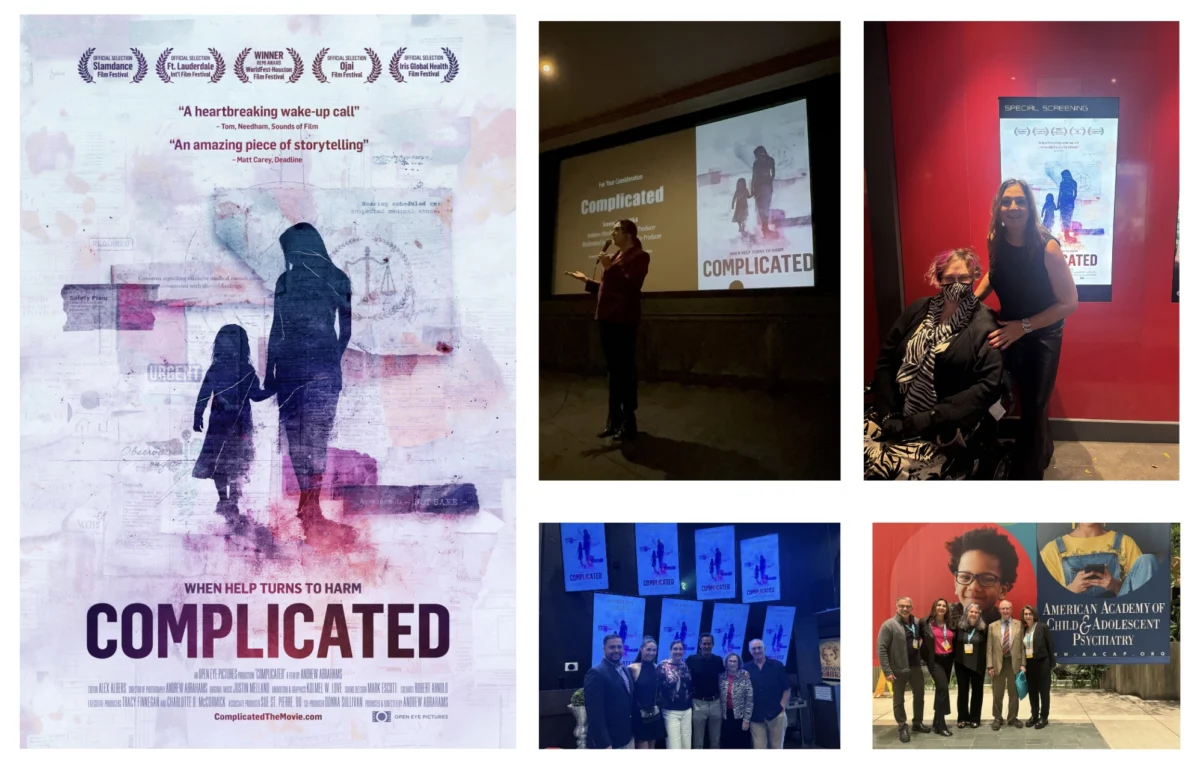
In the landscape of chronic illness advocacy, timing is often everything. For DM Sullivan, the founder and executive director of Elevate Rare, the May release of the documentary film Complicated—now streaming on Apple TV—feels less like a strategic scheduling decision and more like a convergence of destiny. May holds a dual significance for the EDS community: it is Ehlers-Danlos Syndrome (EDS) Awareness Month, and it encompasses Mother’s Day, a holiday that carries poignant weight for the families featured in the film who have navigated the intersection of chronic illness and systemic medical scrutiny.
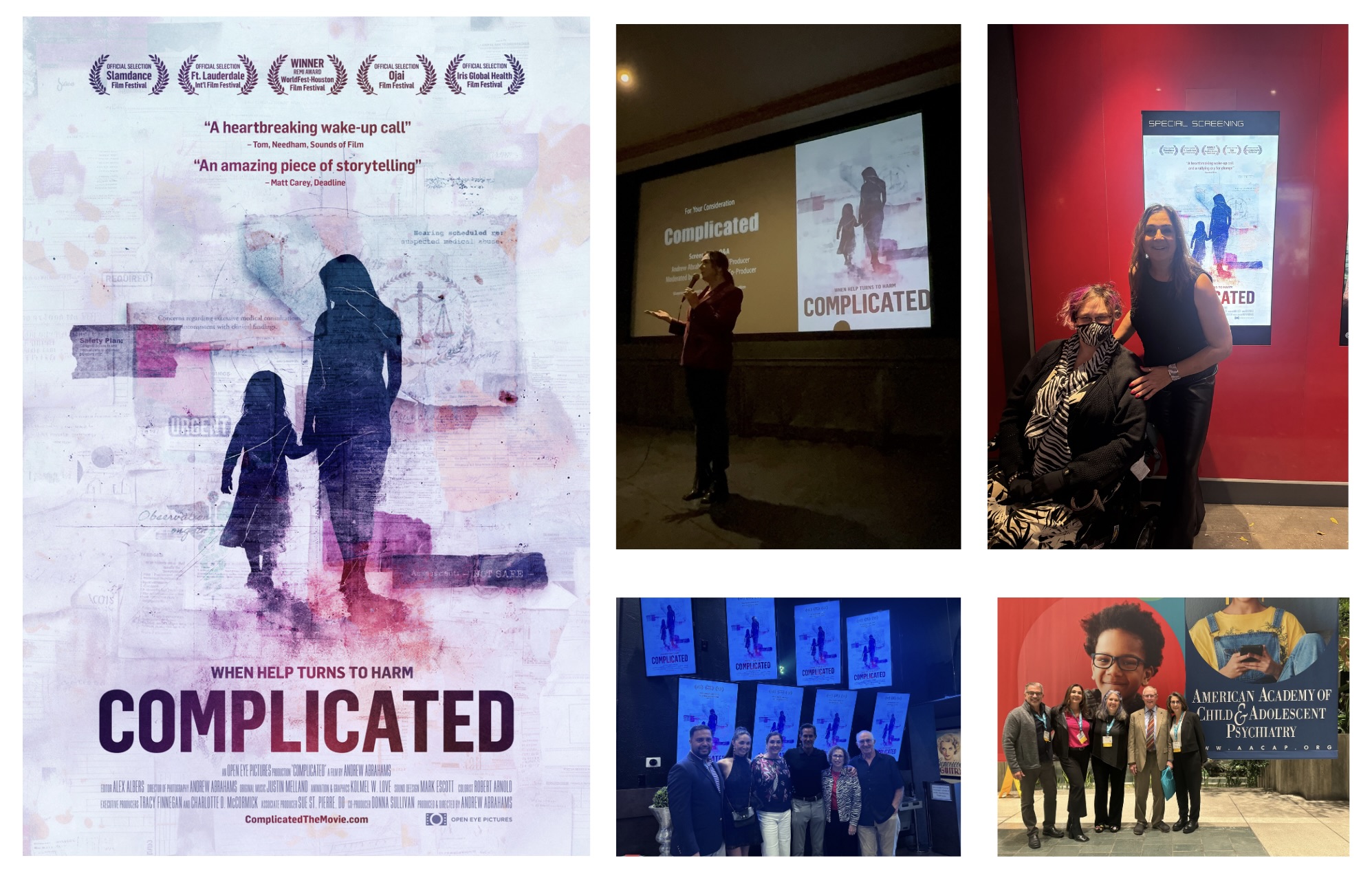
Complicated is the culmination of a nine-year journey, a project that seeks to illuminate the often-invisible struggle of patients living with EDS—a group of genetic connective tissue disorders—and the heartbreaking reality of families facing false allegations of medical abuse. As the film reaches a global audience, it marks not just the end of a long production cycle, but the beginning of a robust clinical education initiative aimed at dismantling the barriers between patients and the care they desperately need.
A Chronology of Advocacy and Awareness
The road to Complicated began nearly a decade ago, born from the frustration of a community that felt systematically ignored by the medical establishment.
- 2017–2020: The Formative Years: As awareness of the systemic shortcomings in treating EDS grew, creators began capturing the raw, unfiltered experiences of families caught in a cycle of misdiagnosis and medical gaslighting.
- 2023–2025: The Festival Circuit: Director Andrew Abrahams and producer DM Sullivan took the film on the road, screening it at various medical conferences and patient-centered festivals. These screenings served as a catalyst for dialogue, transforming a documentary into a movement.
- May 2026: The Milestone Month: With the film’s wide release on Apple TV on May 19, the conversation shifts from the festival circuit to the mainstream public sphere. Concurrent with this, the EDS community anticipates major updates in diagnostic criteria and research, marking a potential turning point in how the condition is categorized and treated.
The Data Gap: Why Lived Experience Matters
For years, the healthcare industry has relied on surveys and data points that, while clinically necessary, often exclude the nuanced reality of the patient experience. The creators of Complicated argue that traditional data collection has historically been too narrow, often missing the "full scope" of the multi-systemic nature of EDS.
Patients with EDS often report a "care gap"—a chasm between the symptoms they experience and the symptoms their physicians are trained to recognize. This is exacerbated by a lack of institutional knowledge regarding how EDS manifests across different body systems. When symptoms are misunderstood, the result is not just a lack of treatment, but, in the most severe cases, the misidentification of medical complexity as something more sinister, such as medical child abuse.
The film acts as a vital data-gathering tool in itself. By highlighting the lived experiences of these families, Complicated challenges the medical community to move beyond binary understandings of "sick" vs. "well" and embrace the complex, chronic reality of connective tissue disorders.
Supporting Data: The Current Landscape of EDS Care
The urgency of this documentary is underscored by the current state of EDS research and clinical infrastructure. For too long, the multi-systemic nature of the disease was treated as a collection of unrelated symptoms. However, recent developments are beginning to shift this paradigm:
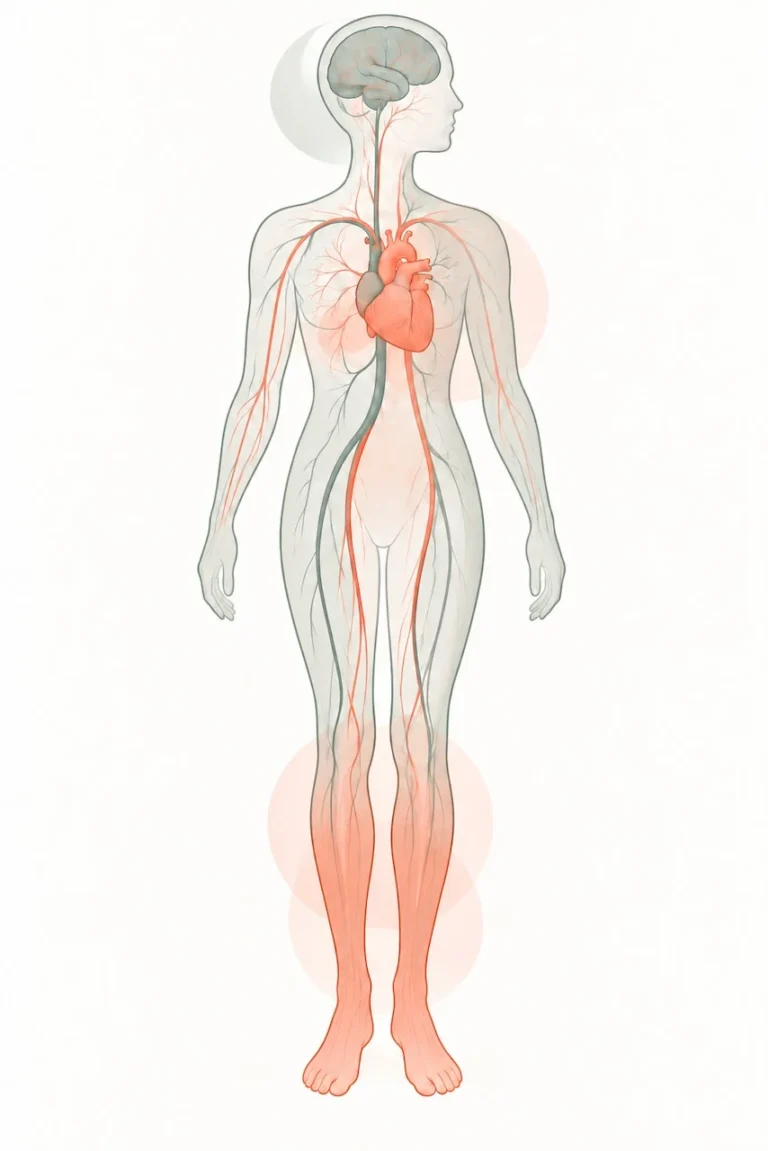
- Research Advancements: Over the past twelve months, a surge in research papers has begun to map the underlying mechanisms of EDS, helping to validate what patients have been stating for decades: EDS is not just "loose joints"; it is a systemic condition that can affect the cardiovascular, neurological, and immunological systems.
- Diagnostic Reform: The Ehlers-Danlos Society is currently preparing for the release of new diagnostic criteria slated for late 2026. This is a crucial development; without clear, standardized, and widely accepted criteria, patients often spend years—or even decades—without a formal diagnosis, leaving them vulnerable to poor outcomes.
- Institutional Expansion: The University of Virginia (UVA) has emerged as a beacon of progress by hosting high-level EDS symposiums and launching a comprehensive clinic. This model, which integrates research with clinical practice, is the "gold standard" that advocates are pushing to replicate across the country.
The Reality of the "Care Gap": A Personal Perspective
Despite these institutional strides, the reality on the ground remains harrowing. DM Sullivan notes that even with increased awareness, the systemic inertia is difficult to overcome. In a sobering personal account, Sullivan revealed that her own daughter recently developed Long COVID, which triggered a series of complications tied to her underlying EDS.
"I’ve found myself back in that role as a mom and caregiver," Sullivan reflects. "Navigating a space that is all too familiar, where well-meaning physicians at top hospitals do not always recognize my daughter’s symptoms as EDS-related."
This experience highlights the critical need for the clinical education initiatives proposed by the Complicated team. If a seasoned advocate with deep ties to the research community still struggles to find consistent, informed care at top-tier institutions, it demonstrates that the problem is not merely a lack of research, but a lack of knowledge translation—the process of getting current medical science into the hands of the physicians working in emergency rooms and primary care clinics.
Implications: The Path Toward Reform
The resounding question asked by audiences at every screening of Complicated is, "How can we work together to fix this?" The implications of this documentary are far-reaching, touching on policy, ethics, and the fundamental relationship between doctor and patient.
1. Clinical Education and Medical Literacy
The primary implication is the need for a overhaul in how EDS is taught in medical schools. When physicians lack the tools to recognize connective tissue disorders, they often default to diagnostic labels that are incomplete or, in the case of misapplied medical abuse allegations, actively harmful.
2. Protecting Vulnerable Families
The film serves as a clarion call for those who have been investigated by Child Protective Services (CPS) due to a misunderstanding of their child’s medical complexity. Organizations like Elevate Rare are now serving as a bridge for these families, providing the support, legal resources, and community that are essential for survival.
3. Engaging Those in Power
The goal of Complicated is to serve as a tool for advocacy. By putting a human face to the clinical data, the film aims to engage policymakers and hospital administrators. The message is clear: the current system is failing, and the solution requires a collaborative effort that respects the patient’s lived experience as a valid, essential component of their own care.
Conclusion: The Real Work Begins
As Complicated makes its way into the homes of viewers via Apple TV, the filmmakers view this not as a finish line, but as a catalyst. The "hope" that Sullivan feels this May is a tempered hope—it is the hope of a movement that has identified its enemies (apathy, misinformation, and systemic bias) and is now organizing to defeat them.
For the patients and families who have been "seen, heard, and taken seriously" by the film, the challenge is now to turn that recognition into sustained systemic change. As the credits roll, the conversation in the medical community must move from "What is EDS?" to "How do we build a system that supports these patients?"
For those interested in joining this mission, the journey is just beginning. Through continued screenings, clinical advocacy, and the support of organizations like Elevate Rare, the community is building a future where the complexities of the human body are met with empathy rather than suspicion. The documentary has told the story; now, the real work of transformation commences.
Call to Action:
If you or your family have been investigated by child protective services due to medical complexities, please reach out to ElevateRare.org for support and advocacy resources.
To participate in the ongoing conversation, join the special virtual screening and live Q&A session with the families featured in the film on Saturday, May 2nd, from 2:00 PM to 4:00 PM EST. Tickets are available via Eventbrite.