










18 June 2026 | Warsaw, Poland
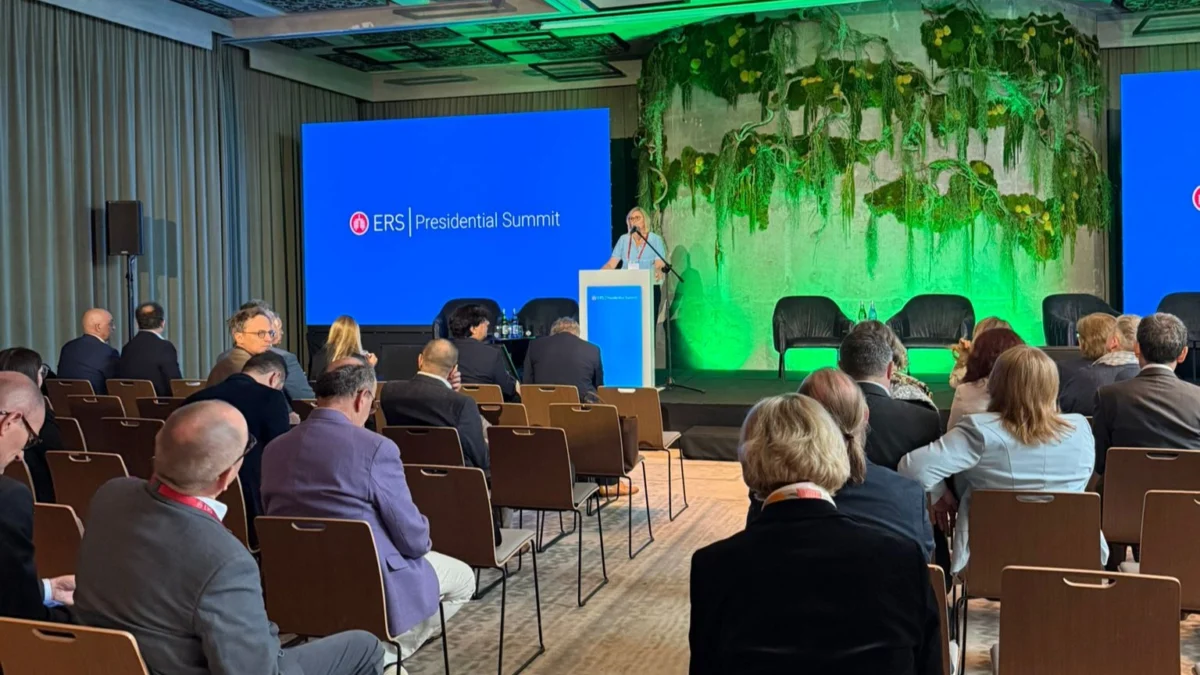
The global fight against respiratory illness reached a pivotal inflection point this week as leading clinicians, policymakers, and patient advocates convened in Warsaw for the European Respiratory Society (ERS) Presidential Summit 2026. Under the theme, “New frontiers of respiratory health: the present and future of early detection,” the two-day summit sought to transition the medical community from reactive treatment models to a proactive, diagnostic-led paradigm.
Led by ERS President Prof. Joanna Chorostowska-Wynimko, the event served as a high-level laboratory for ideas, dissecting how international collaboration, technological innovation, and robust public policy can coalesce to curb the escalating burden of respiratory disease.
The Core Mandate: A Shift in Strategy
Respiratory diseases remain a leading cause of mortality and morbidity worldwide. As the summit opened, Prof. Chorostowska-Wynimko set a clear tone: the status quo—where patients often present with advanced disease—is no longer sustainable.
The summit was structured around four pillars: the evolution of lung cancer screening, the integration of respiratory health checks into routine primary care, the ethical and practical implementation of artificial intelligence (AI), and the promise of emerging biotechnological breakthroughs.
Chronology: Two Days of Scientific Discovery
Day 1: Screening, Collaboration, and the Primary Care Nexus
The inaugural sessions focused on moving from pilot studies to systemic implementation.
- Lung Cancer Screening (The SOLACE Framework): Prof. Torsten Blum spearheaded a critical review of the EU4Health-funded SOLACE project. This initiative has been instrumental in dismantling barriers to low-dose CT (LDCT) screening across the European Union. A major highlight was the recognition of LDCT screening by the International Agency for Research on Cancer (IARC)—a milestone that validates decades of advocacy and clinical research.
- The Health Check Revolution: ERS Secretary General Prof. Ildiko Horvath pivoted the conversation toward preventative diagnostics. She emphasized the "heart-lung axis," noting that respiratory and cardiovascular health are inextricably linked. By utilizing spirometry as a routine "window of opportunity" during primary care visits, health systems can identify chronic obstructive pulmonary disease (COPD) and other conditions years before they become life-altering.
Day 2: The Digital and Biological Frontier
The second day shifted toward the "next generation" of medicine.
- The AI Imperative: Prof. Przemyslaw Biecek of the Warsaw University of Technology led a deep dive into the Sybil deep learning model. The session dismantled the "AI vs. Doctor" narrative, replacing it with the concept of "augmented expertise."
- Biotechnology and the Future: ERS President Elect Dr. Marc Miravitlles closed the summit by outlining the EU Life Sciences Strategy and the proposed Biotech Act. This session provided a roadmap for how molecular medicine and genetic screening could revolutionize early detection, moving beyond symptoms to identify biological precursors to respiratory failure.
Supporting Data: Why Early Detection Matters
The summit provided compelling data justifying the shift toward earlier intervention:
- Diagnostic Lead Time: Data presented during the SOLACE review indicated that widespread LDCT implementation could increase the five-year survival rate for lung cancer patients by over 30% through earlier surgical and therapeutic intervention.
- Primary Care Impact: The inclusion of spirometry in standard health checks was shown to reduce emergency admissions for respiratory exacerbations by approximately 15% in pilot cohorts, demonstrating the economic and human value of preventative screenings.
- The AI Advantage: Analysis of the Sybil model demonstrated that AI can identify lung cancer risks from a single chest CT scan with a degree of precision that matches or exceeds human-only evaluation, particularly in identifying "invisible" patterns of risk that clinicians might overlook during high-volume screening days.
Official Perspectives: The Experts Speak
On the Human-AI Collaboration
Prof. Przemyslaw Biecek emphasized a nuanced perspective on technology: "The goal is not for AI to replace the clinician. The goal is to create an infrastructure of trust. If we build systems where the clinician is the final decision-maker, augmented by the predictive power of models like Sybil, we move from uncertainty to accuracy."
On the Policy Landscape
Dr. Marc Miravitlles underscored the legislative hurdles: "Biotechnology is the frontier of our field, but it requires a legislative ecosystem that allows for rapid translation from lab to bedside. The EU Biotech Act is a necessary framework to ensure that the innovations we discuss in rooms like this reach the patient in the clinic."
On International Cooperation
Prof. Ildiko Horvath highlighted the necessity of unity: "Respiratory health does not recognize borders. Whether it is air pollution in Warsaw or lung cancer in Lisbon, we need international protocols that standardize how we screen, how we treat, and how we monitor. The collaboration seen here is the blueprint for a healthier Europe."
Implications: The Road Ahead
The summit concluded with a clear consensus: early detection is the most potent tool in the respiratory health arsenal, but its success depends on four critical developments:
- Infrastructure for Trust: Policymakers must invest in digital health infrastructure that allows for secure, cross-border data sharing, enabling AI to function effectively.
- Integrated Care Pathways: Respiratory screening must be decoupled from "specialist settings" and integrated into general practitioner offices.
- Legislative Support: The adoption of the proposed Biotech Act is viewed as essential for funding the next wave of diagnostic products and programmes.
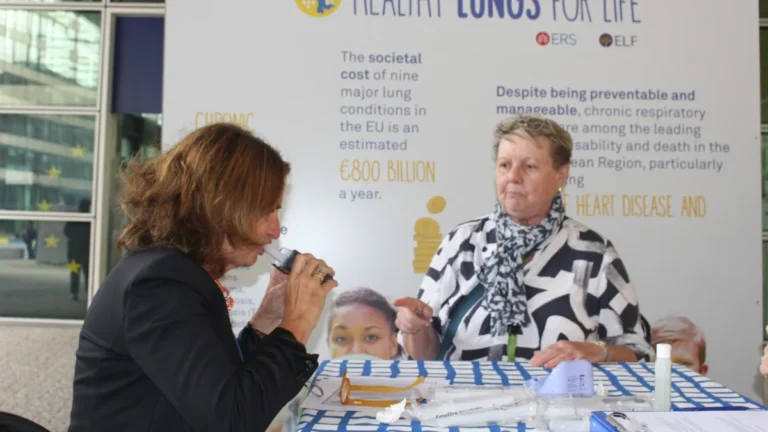
- Public Awareness: Science alone is not enough. The summit’s launch of the Healthy Lungs for Life campaign in Poland marks the beginning of a two-year, nine-country initiative aimed at educating the public on air quality and the necessity of early lung health checks.
Expanding the Scope: The "Healthy Lungs for Life" Campaign
Beyond the theoretical discussions, the summit served as a launchpad for tangible action. The Healthy Lungs for Life campaign will mobilize stakeholders across nine European nations. This is not merely an awareness campaign; it is a strategic effort to put respiratory health on the ballot for local and national governments. By focusing on the dual threats of air pollution and undiagnosed respiratory illness, the ERS aims to shift the narrative from "treating the sick" to "protecting the healthy."
Conclusion: A Proactive Future
The ERS Presidential Summit 2026 has effectively signaled the end of the "wait-and-see" era for respiratory disease. By leveraging the synthesis of human clinical expertise and artificial intelligence, and by grounding this work in sound biotechnology and international policy, the medical community is now better positioned than ever to change the course of respiratory disease.
As Prof. Chorostowska-Wynimko noted in her closing remarks, "We have the data, we have the technology, and we have the will. Now, we must have the execution." The work initiated in Warsaw serves as a foundation for a future where respiratory health is not just restored—it is preserved.