






In the evolving landscape of oncology, few challenges are as persistent as the treatment of aggressive, virus-associated malignancies. Among these, Epstein-Barr virus (EBV)-associated lymphomas represent a particularly formidable adversary. Often characterized by their ability to evade the body’s natural immune surveillance, these cancers have historically been resistant to standard immunotherapies.
However, a new frontier in medical research is being charted at the Weill Medical College of Cornell University. Dr. Herman Van Besien, the current Oliver W. Press, MD, PhD Memorial Fellow, is spearheading a research initiative that promises to redefine how we treat these aggressive cancers. By "reactivating" dormant viral markers within lymphoma cells, Dr. Van Besien is working to pull these elusive cancers out of hiding, making them susceptible to the very immune-based therapies that were previously ineffective against them.
The Core Challenge: Why EBV-Associated Lymphomas Persist
The Epstein-Barr virus is ubiquitous, infecting the vast majority of the human population. While usually benign, it is linked to a variety of malignancies, including specific subtypes of lymphoma. The primary difficulty in treating these cancers lies in their stealth.
"Many EBV-related lymphomas do not express enough viral markers for immune-based therapies, which are currently one of the most effective treatment options," explains Dr. Van Besien.
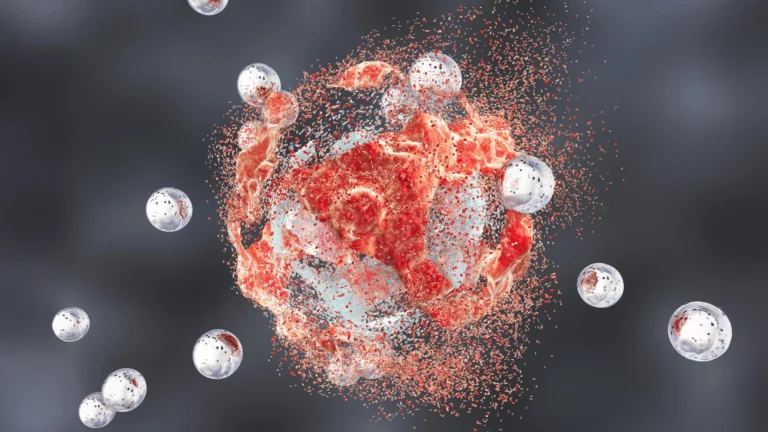
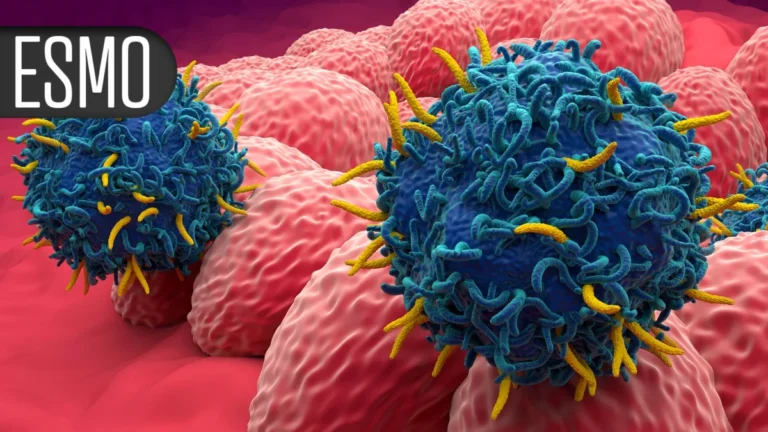
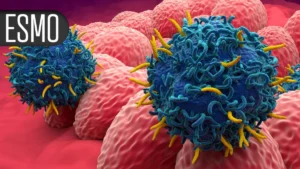
Current immunotherapy—such as checkpoint inhibitors or adoptive T-cell therapy—relies on the ability of the immune system to recognize specific proteins, or antigens, on the surface of cancer cells. When an EBV-positive tumor goes into a state of "viral latency," it stops expressing these recognizable markers. Consequently, the immune system views the cancer cells as healthy tissue, allowing the tumor to proliferate unchecked. Dr. Van Besien’s research is focused on a mechanism to force these cells to "show their hand," thereby tagging them for destruction by the immune system.
A Legacy of Compassion and Scientific Inquiry
To understand the motivation behind Dr. Van Besien’s work, one must look at his origins. As a second-generation hematologist-oncologist, medicine is not merely a profession for him; it is a hereditary calling.
"I was inspired to pursue a medical career after witnessing my parents’ never-ending compassion for their patients," he recalls. Growing up in a household where clinical excellence was balanced with deep human empathy, he developed a perspective that views patients not just as cases to be solved, but as individuals whose quality of life depends on the efficacy of the science he develops.
His decision to specialize in lymphoma was solidified during a pivotal era in medical history. As he navigated medical school and residency, he witnessed the emergence of immunotherapy as the "fourth pillar" of oncology, joining surgery, chemotherapy, and radiation. He became particularly fascinated by the potential of adoptive T-cell therapy—a process where immune cells are modified or trained to hunt down specific cancer cells. This fascination provided the foundation for his current project, which effectively marries his clinical expertise with his drive for innovation.
The Chronology of an Emerging Researcher
Dr. Van Besien’s trajectory from a medical student to a leading fellow is a testament to the importance of structured mentorship in the sciences.
- Early Clinical Foundations: During his formative years, Dr. Van Besien focused on the complexities of hematology, identifying the gaps in survival rates for patients with viral-driven lymphomas.
- The Mentoring Program Phase: A significant turning point in his career was his participation in the Lymphoma Scientific Research Mentoring Program. This program provided the critical infrastructure, peer support, and senior guidance necessary to transition from a clinical practitioner to a dedicated physician-scientist.
- The Memorial Fellowship: As the current Oliver W. Press, MD, PhD Memorial Fellow, he has secured the resources required to conduct his current investigation. This fellowship is not merely a source of funding; it is a validation of the potential of his research to translate into clinical reality.
Supporting Data and the Mechanism of Action
The methodology underpinning Dr. Van Besien’s research is both elegant and complex. The project focuses on epigenetic modulation—the process of altering the expression of genes without changing the DNA sequence itself.
By applying specialized agents to lymphoma cells in the laboratory, Dr. Van Besien seeks to "re-express" the viral antigens that the virus has silenced. If the experiment succeeds in a clinical setting, the implications are profound:
- Broadened Eligibility: Patients who were previously deemed "ineligible" for immunotherapy due to a lack of viral expression would suddenly qualify.
- Reduction in Toxicity: By leveraging the precision of the immune system, the need for high-dose, systemic chemotherapy—which often causes severe, long-term side effects—could be significantly reduced.
- Improved Survival Rates: The ultimate goal is to convert an aggressive, refractory cancer into a treatable, and potentially curable, chronic or resolved condition.
"If successful, this could expand the pool of patients eligible for immune-targeted therapies, potentially improving survival rates," Dr. Van Besien asserts.
Institutional and Professional Context
The environment at Weill Medical College of Cornell University provides an ideal crucible for this type of research. The intersection of clinical trials, laboratory research, and patient-centered care allows for a rapid exchange of ideas.
Dr. Van Besien’s work is supported by organizations that recognize the high-risk, high-reward nature of physician-scientist research. "I feel very fortunate to have the continued support of the Foundation, and this support inspires me to continue along the challenging path of a physician-scientist," he notes. This institutional support is vital, as the "valley of death"—the gap between successful laboratory experiments and human clinical trials—remains the greatest obstacle in modern drug development.
Future Implications: From Lab Bench to Bedside
Looking toward the next five years, Dr. Van Besien’s roadmap is clear: he intends to move his findings from the petri dish to the clinic. His objective is to design and initiate clinical trials that combine his viral-directed cellular therapies with existing standard-of-care treatments.
The implications for the broader field of oncology are immense. If the "reactivation" strategy proves effective for EBV-associated lymphoma, researchers may apply the same logic to other virus-driven cancers, such as those associated with Human Papillomavirus (HPV) or Hepatitis.
"I continue to be inspired by the clever and creative ways that we are using the immune system to fight lymphoma," says Dr. Van Besien. "I am confident that we will continue to refine these therapies in ways that will eventually lead to a cure."
Final Reflections
Dr. Herman Van Besien’s work is a powerful reminder that the fight against cancer is not just about raw computing power or new drug compounds—it is about the human capacity for observation and the relentless pursuit of better outcomes. By addressing the fundamental biological camouflage used by lymphoma, he is not just treating a disease; he is dismantling one of the most effective survival strategies that cancer has ever evolved.
As he continues his work as a fellow, the medical community watches with anticipation. The transition from identifying a molecular vulnerability to achieving a complete clinical response is fraught with difficulty, but in the hands of researchers like Dr. Van Besien, the prospect of a cure for once-untreatable lymphomas is moving from the realm of the theoretical into the realm of the possible. His journey, defined by a synthesis of family legacy, academic rigor, and a profound commitment to the patient experience, serves as a beacon of hope for thousands of individuals currently facing an uncertain diagnosis.