







April 25, 2022 — As the scientific community continues to unravel the complex biological underpinnings of substance use disorders, the legal system faces an increasingly urgent question: How should modern neuroscience reshape our approach to justice, policy, and rehabilitation?
The Harvard Law School’s Petrie-Flom Center for Health Law Policy, a leading voice in the nexus of law and health innovation, is set to host a high-profile panel discussion, "The Science of Addiction." This event seeks to translate the latest clinical breakthroughs into actionable legal frameworks, bridging the historical disconnect between medical reality and courtroom proceedings.
Main Facts: A Multidisciplinary Examination
The upcoming webinar represents a pivotal effort to reconcile the biological nature of addiction with the traditional punitive models of the American legal system. The panel will feature two distinguished experts who approach the crisis from complementary angles:
- Eden Evins, M.D.: A renowned expert in addiction psychiatry, Dr. Evins will provide the scientific bedrock for the discussion, focusing on neurobiology, long-term prognosis, and evidence-based treatment modalities.
- Stephanie Tabashneck, Psy.D., J.D.: Bridging the gap between the lab and the bench, Dr. Tabashneck will lead a critical inquiry into how these scientific findings can—and should—influence judicial decision-making and legal policy.
The event, which is free to the public and hosted via an interactive online platform, aims to engage legal scholars, healthcare practitioners, and policymakers alike. By shifting the conversation from moral judgment to neuroscientific fact, the Petrie-Flom Center hopes to foster a more humane and effective legal approach to the addiction crisis.
Chronology: The Evolution of the Discourse
The conversation surrounding addiction in the legal sphere has undergone a radical shift over the last two decades. For much of the 20th century, addiction was largely relegated to the realm of behavioral character flaws. However, the early 2000s marked a paradigm shift as advanced neuroimaging techniques—such as fMRI and PET scans—began to map the physiological changes occurring in the brain of someone suffering from a substance use disorder.
- Pre-2010: Legal focus remained predominantly on criminalization and incarceration.
- 2010–2018: Increased medicalization of addiction, with the rise of specialized drug courts and diversion programs designed to offer treatment as an alternative to prison.
- 2022 (Current Context): As the COVID-19 pandemic exacerbated addiction rates globally, the need for a sophisticated legal framework has never been greater. The Harvard panel comes at a time when the pandemic has forced a transition toward virtual legal and medical consultations, making this online webinar a timely continuation of necessary, albeit remote, discourse.
Participants are encouraged to engage with the panelists in real-time, submitting questions via Twitter using the hashtag #LawAndNeuro, allowing for a digital dialogue that mirrors the evolving nature of the subject matter itself.
Supporting Data: The Neurobiology of Dependency
To understand why this panel is so vital, one must look at the data surrounding addiction. Addiction is now classified by the medical community as a chronic, relapsing brain disease characterized by compulsive drug seeking and use, despite harmful consequences.
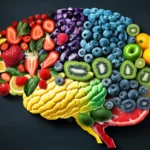
The Brain on Addiction
Dr. Evins’ presentation is expected to highlight the "hijacking" of the brain’s reward system. The prefrontal cortex—the area responsible for impulse control and decision-making—is significantly impacted by chronic substance use. Data suggests that even after periods of abstinence, the structural changes in the brain can persist, which has massive implications for how the law views "willful intent" and recidivism.
Legal Disparities
Statistics from the Department of Justice indicate that a significant percentage of the incarcerated population in the United States suffers from a substance use disorder. Despite this, the majority of these individuals do not receive evidence-based treatment while in custody. The disconnect between the clinical understanding of the brain and the punitive nature of sentencing is a central tension that the Petrie-Flom Center aims to dissect.
Official Responses and Expert Perspectives
The Petrie-Flom Center has consistently advocated for policies that prioritize public health outcomes over rigid adherence to archaic legal statutes. By hosting this panel, the organization is signaling that the legal community is ready to integrate neuroscientific evidence into their practice.
Dr. Stephanie Tabashneck has previously argued that "the legal system is often behind the curve of scientific discovery." By inviting experts like Dr. Eden Evins to speak directly to legal professionals, the event serves as a platform for knowledge transfer. The goal is to move beyond the traditional "expert witness" model, where science is used sporadically, and toward a standard where neuroscientific literacy is a prerequisite for informed judicial decision-making.
The event will be recorded and captioned, ensuring that the insights shared by these experts remain a permanent resource for the legal and academic communities, reflecting the Petrie-Flom Center’s commitment to long-term policy education.
Implications: A New Era for Justice?
The implications of this panel are far-reaching. If the legal system fully acknowledges the scientific reality of addiction, we may see a fundamental shift in three core areas:
1. Sentencing Reform
If addiction is recognized as a disease that compromises the executive functions of the brain, sentencing guidelines could shift from strictly punitive measures to mandatory, evidence-based treatment programs. This would represent a departure from the "War on Drugs" era toward a "Public Health" era of justice.
2. Judicial Education
Judges, who often make high-stakes decisions regarding bail, sentencing, and child custody, are frequently forced to rely on outdated stereotypes about addiction. By providing a curriculum grounded in neuroscience, the law can become more equitable, reducing the bias that currently affects marginalized communities disproportionately.
3. Policy Innovation
Legislation regarding drug policy is often written by individuals without medical backgrounds. The collaboration between the medical and legal fields is essential for crafting laws that discourage illegal activity while providing the necessary infrastructure for rehabilitation.
How to Participate
For those looking to engage with this critical intersection of science and law, registration is mandatory. Due to the high volume of interest, organizers have set a firm deadline for registration at 11:30 a.m. on the day of the event.
Logistics for Attendees:
- Format: Virtual Webinar.
- Accessibility: The event will be recorded and archived with captions for future review.
- Interactive Engagement: Attendees are encouraged to follow the conversation on Twitter @PetrieFlom and utilize the #LawAndNeuro hashtag to pose questions to the speakers.
- Registration: Interested parties can secure their spot via the official registration portal.
As the legal landscape continues to grapple with the complexities of human behavior and accountability, the Harvard Law School’s commitment to hosting these discussions is a beacon of progress. By fostering an environment where medical experts and legal scholars can speak the same language, the Petrie-Flom Center is helping to ensure that the future of justice is informed, compassionate, and, above all, evidence-based.
Whether you are a practicing attorney, a student of the law, a mental health professional, or a concerned citizen, this panel offers a unique opportunity to witness the evolution of our legal system as it attempts to reconcile the biology of the brain with the letter of the law. Register today to join a conversation that will undoubtedly influence the legal landscape for years to come.