









In the United States, the maternal healthcare system is at a critical juncture. Faced with a looming crisis characterized by the closure of rural labor and delivery units, a shrinking pipeline of obstetricians, and rising maternal morbidity rates, healthcare leaders are increasingly looking toward collaborative, team-based care models to ensure safety and accessibility.
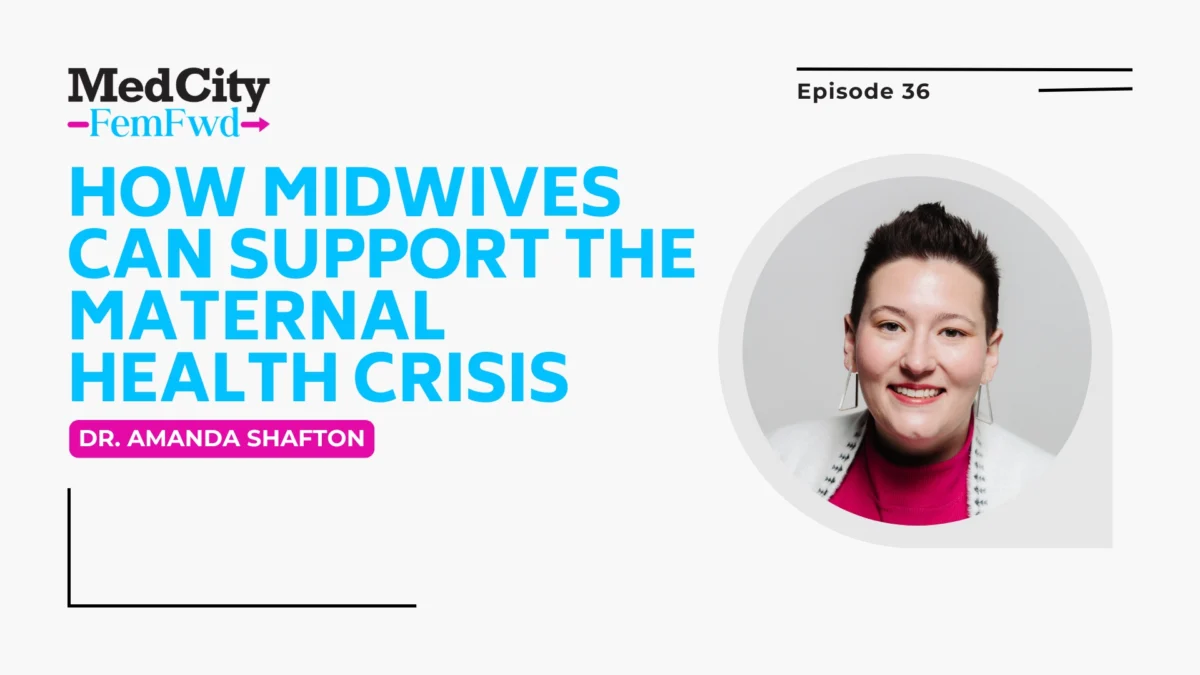
At the forefront of this shift is the integration of Certified Nurse-Midwives (CNMs) into hospital-based settings. As discussed on a recent episode of MedCity FemFwd, Dr. Amanda Shafton, a practicing CNM and the National Director of Midwifery at the OB Hospitalist Group (OBHG), argues that the key to stabilizing maternal outcomes lies in a symbiotic partnership between midwives and physicians.
The Core Philosophy: A Collaborative Safety Net
The fundamental premise of the OBHG model is that every patient, regardless of their background or risk profile, deserves consistent, high-quality care. In this framework, the hospitalist team acts as a specialized safety net, providing 24/7 coverage that ensures no patient is left without support.
"We are really passionate about collaborative, team-based care," says Dr. Shafton. "It’s not a midwife-only patient or a doctor-only patient. All patients are cared for collaboratively by the team. We find that when we look at our data, our teams that include both a doctor and a midwife outperform all other versions of our teams."
This model is designed to be inclusive. It serves private patients whose own doctors may be unavailable, as well as the significant population of patients who arrive at the hospital without established prenatal care. By standardizing the care team, hospitals can ensure that clinical excellence is maintained around the clock.
Chronology of the Shift: From Independent Practice to Integrated Care
Historically, the role of the midwife in the U.S. has often been siloed, frequently associated exclusively with out-of-hospital birth centers or home births. However, the trajectory of maternity care over the last two decades has necessitated a shift toward integration.
- The Rise of Hospitalist Models: Recognizing the burnout of private-practice obstetricians, large health systems began adopting the "hospitalist" model, where dedicated physicians manage labor and delivery units 24/7.
- The Midwifery Inclusion: Organizations like OBHG identified that physician-only teams were often stretched thin. By integrating CNMs into these hospitalist teams, organizations created a more robust workforce capable of handling higher volumes while maintaining a lower-intervention, wellness-based approach to care.
- Expansion and Advocacy: Today, national efforts are focused on educating hospital administrators on the "nitty-gritty" of credentialing midwives, removing regulatory hurdles, and building a culture where physicians and midwives operate as equal partners in the clinical environment.
Supporting Data: Why Collaboration Outperforms Silos
Data gathered by OBHG provides compelling evidence for the efficacy of the integrated model. Dr. Shafton notes that teams incorporating both a doctor and a midwife consistently produce better outcomes than teams composed solely of physicians.
The "Expertise in Normal" Approach
Midwifery care is rooted in the philosophy that pregnancy and birth are normal physiological processes rather than medical events. This "wellness model" leads to several measurable benefits:
- Increased Vaginal Birth Rates: Midwives are highly adept at facilitating spontaneous vaginal deliveries.
- Improved VBAC Success: Midwifery-led care often results in higher rates of successful Vaginal Births After Cesarean (VBAC).
- Reduced Interventions: Through education and continuous support, midwives often minimize unnecessary medical interventions, using tools like Pitocin or epidurals only when clinically indicated.
Strengthening the Workforce
The U.S. is facing a significant shortage of OB-GYNs, exacerbated by the closure of maternity wards in rural areas. The midwifery pathway offers a more agile solution. Education for a CNM is a shorter, more direct pathway than the combined medical school and residency track for physicians. By training and deploying more midwives in these communities, the healthcare system can expand its reach without compromising on the standard of care.
Addressing the Barriers: Equity and Access
Despite the clear benefits, the path to universal access to midwifery remains fraught with systemic hurdles.
The Rural Healthcare Desert
In many rural areas, the "maternity desert" phenomenon is becoming the new normal. Dr. Shafton highlights that midwives are uniquely positioned to serve these populations. Because many CNMs begin their careers as nurses in their own local communities, they possess a deep-seated connection to the people they serve. By creating more midwifery roles within rural hospitals, these communities can retain their birthing services even as physician recruitment becomes increasingly difficult.
The Role of Doulas
The collaborative team often extends beyond clinical staff. Dr. Shafton emphasizes the critical role of doulas, who are typically hired by the patient to provide physical, emotional, and advocacy-based support. In a functional, team-based environment, the obstetrician, midwife, nurse, and doula operate as a unified front, all sharing the same goal: a safe, empowered birth experience for the patient.
Insurance and Payment Reform
A significant portion of the conversation around access revolves around insurance. In the hospital setting, insurance reimbursement is largely agnostic toward the provider type; as long as the care is provided, it is covered. However, the barrier exists for community-based care. While OBHG focuses on the hospitalist model, Dr. Shafton acknowledges that supporting those who choose home or birth center settings is vital, particularly when a transfer of care becomes necessary. A seamless "midwife-to-midwife" transfer protocol can significantly improve patient anxiety and safety during these transitions.
Implications for the Future of Maternal Health
The future of American maternal health relies on two pillars: Education and Integration.
The Need for Public Awareness
Patients are powerful advocates. Dr. Shafton encourages expectant parents to ask probing questions during their prenatal visits: “Do you work with midwives? Is a midwife part of my care team? What is the backup plan if my primary doctor is unavailable?” By demanding collaborative care, patients can drive hospitals to adopt more sustainable staffing models.
Systemic Reform
For hospital administrators, the implication is clear: the integration of midwives is not merely a staffing necessity; it is a clinical and financial imperative. As hospitalist groups continue to prove the safety and superiority of collaborative care, the "magical" synergy between midwifery’s wellness-focused approach and obstetrics’ high-risk management will become the gold standard.
"I think midwifery is always the answer," Dr. Shafton concludes. "More midwives improve culture, they improve outcomes for patients, they improve satisfaction for nursing staff, and they improve the work-life balance for our physician collaborators."
As the industry moves forward, the focus must remain on dismantling the traditional hierarchy that has historically separated these two vital disciplines. By fostering an environment of mutual respect and shared responsibility, the U.S. healthcare system can move toward a more resilient, accessible, and human-centered future for maternal health. The evidence is in—the most effective care happens when the experts in medicine and the experts in the normal physiological process of birth work side-by-side.