Classical Hodgkin’s lymphoma (cHL) has long been considered a success story in modern oncology. For the vast majority of adolescents and young adults diagnosed with this malignancy, frontline chemotherapy regimens offer a high probability of cure. Yet, for a persistent, vulnerable subset of patients—those whose cancer relapses or proves refractory to standard interventions—the path forward is often fraught with uncertainty.
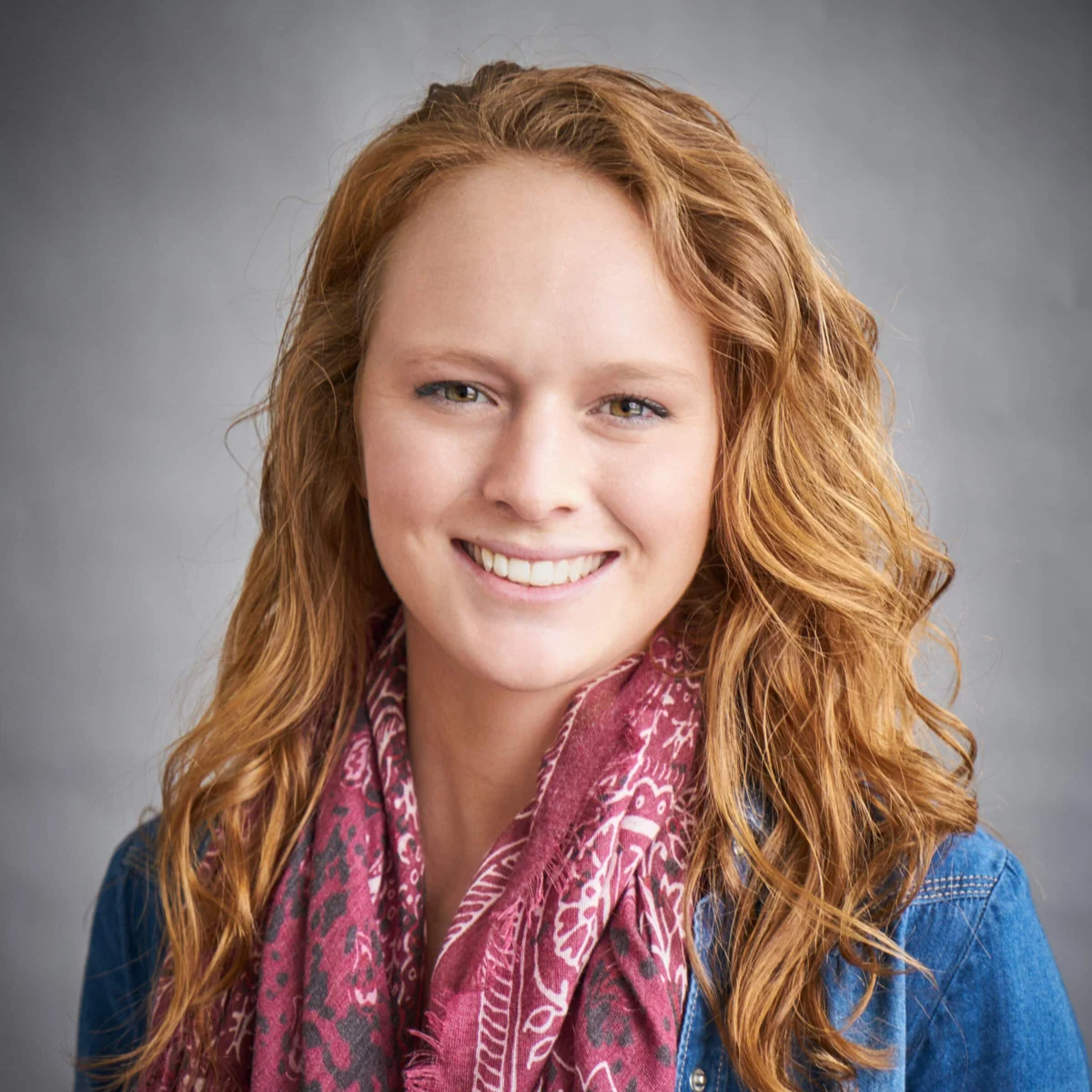
Enter Dr. Shelby Sloan, a rising star in immunology and hematology whose research at The Ohio State University represents a paradigm shift in how we approach resistant lymphomas. Supported by foundation grants, Dr. Sloan is pioneering a novel chimeric antigen receptor (CAR) T-cell therapy that does more than just attack cancer; it dismantles the biological "shield" that allows tumors to hide from the immune system.
The Challenge of Refractory Disease: A Clinical Overview
To understand the magnitude of Dr. Sloan’s work, one must first understand the battlefield. Classical Hodgkin’s lymphoma is characterized by the presence of Reed-Sternberg cells—malignant cells that are often few in number but are surrounded by a dense, complex microenvironment.
In the typical clinical narrative, chemotherapy successfully eradicates the primary tumor. However, in the refractory population, the tumor microenvironment (TME) acts as a fortress. It is populated by various immune cells that, rather than attacking the cancer, have been co-opted to protect it. These defective cells create an immunosuppressive barrier, effectively neutralizing the body’s natural killer (NK) cells and T-cells, preventing them from mounting an effective strike.
Dr. Sloan’s research addresses this "immune desert" phenomenon. By engineering CAR T-cells that are dual-purpose—targeting both the malignant tumor cells and the protective immune cells surrounding them—she aims to strip away the tumor’s defenses. "These defective immune cells surrounding the tumor block the body’s natural immune response and hinder their ability to eliminate the cancer cells," Dr. Sloan explains. "We think that by targeting both cell types with our engineered T-cell therapy, we can remove the immunosuppressive shield and allow the CAR T cells greater access to eliminate the cHL cells."
Chronology of Discovery: From Academic Foundations to the Laboratory Bench
The trajectory of Dr. Sloan’s career underscores the vital importance of sustained academic training and institutional support.
- Foundational Education: Dr. Sloan completed her rigorous graduate training at The Ohio State University, a hub for hematological research. It was here that she developed her expertise in the molecular mechanisms of lymphoma.
- Postdoctoral Specialization: Transitioning into her role as a postdoctoral fellow in immunology and hematology, she shifted her focus from descriptive biology to therapeutic innovation.
- The Foundation Partnership: The recent backing from specialized research foundations has acted as a catalyst for her current project. This funding has allowed her to transition her theoretical models into a robust experimental pipeline, moving closer to the goal of clinical translation.
- Current Research Phase: Dr. Sloan is presently refining the specificity of her CAR T-cell construct. The current stage involves rigorous preclinical validation to ensure that the therapy effectively distinguishes between healthy tissues and the targeted tumor microenvironment, minimizing potential side effects.
Supporting Data: The Science of Immunotherapy
The promise of CAR T-cell therapy lies in its personalization. Unlike "one-size-fits-all" chemotherapy, CAR T-cell therapy involves extracting a patient’s own T-cells, reprogramming them in a laboratory setting to recognize specific antigens, and infusing them back into the patient.
Dr. Sloan’s methodology adds a layer of sophistication to this process. By focusing on surface proteins common to both the tumor and its supporting TME, she is effectively attacking the ecosystem of the cancer.
Key Research Objectives:
- Targeting Dual-Antigens: Identifying the precise protein markers that are most consistently expressed in the cHL microenvironment.
- Overcoming T-Cell Exhaustion: Ensuring that the engineered cells remain "fit" and active once they enter the hostile environment of the tumor.
- Enhancing Persistence: Developing methods to ensure the CAR T-cells persist in the body long enough to prevent recurrence, a common issue with traditional therapies.
While traditional CAR T-cell therapies have seen unprecedented success in liquid tumors like B-cell acute lymphoblastic leukemia (ALL), applying them to Hodgkin’s lymphoma has been historically difficult due to the heterogeneity of the tumor microenvironment. Dr. Sloan’s data-driven approach suggests that by "clearing the path" through the removal of immunosuppressive cells, the efficacy of the therapy could be significantly amplified.
Official Perspectives: The Future of Personalized Medicine
In discussions regarding the future of oncology, experts increasingly point to the integration of cellular therapies as the next great frontier. Dr. Sloan’s philosophy aligns with this sentiment. She views the immune system as a sophisticated, pre-evolved engine that, when properly guided, is the most powerful weapon against cancer.
"I think there is great potential for the treatment of cancer by harnessing the power of the body’s naturally evolved cancer detection and elimination tactics," Dr. Sloan states. Her vision is not merely to introduce a foreign agent to kill cancer, but to "retrain" the host’s immune system. "If we can understand why the immune system has failed to detect and eliminate lymphomas, we can engineer personalized targeted therapies to enhance or retrain the immune system to recognize cancer cells."
Her mentors and colleagues at The Ohio State University have lauded her approach for its translational potential. By bridging the gap between basic immunology and clinical hematology, Dr. Sloan is creating a roadmap for a new generation of researchers who aim to treat cancer as a failure of immune recognition rather than just a runaway proliferation of cells.
Implications for Patients and the Healthcare System
The implications of Dr. Sloan’s research for the patient population are profound. For a young person diagnosed with relapsed Hodgkin’s, current options—such as high-dose chemotherapy followed by stem cell transplantation—are often grueling and carry significant long-term risks.
1. Improved Quality of Life
If successful, CAR T-cell therapies could provide a more targeted alternative to aggressive chemotherapy, potentially reducing the duration of hospital stays and the systemic toxicity associated with conventional treatments.
2. Overcoming Refractory Barriers
The most significant impact will be on the subset of patients currently considered "untreatable" or those who have exhausted standard-of-care options. Providing a new mechanism of action could represent a life-saving breakthrough.
3. Economic and Societal Impact
While the initial cost of developing and administering cellular therapies is high, the long-term societal benefit of returning young, cured patients to their families, education, and careers is immeasurable. Dr. Sloan’s commitment to building a "robust clinical research program" suggests that she is focused on making these therapies not just successful, but scalable and accessible.
Conclusion: A Vision for the Future
As Dr. Sloan continues her work, the medical community remains watchful. Her focus on the intersection of tumor biology and immune evasion addresses one of the most stubborn challenges in modern oncology.
The path from the laboratory bench to the clinic is long, often spanning years of meticulous testing, safety trials, and regulatory scrutiny. However, the trajectory of Dr. Sloan’s research suggests that we are entering an era where cancer will no longer be fought by merely poisoning the tumor, but by empowering the body to reclaim its own defense.
By combining the rigor of traditional academic research with the cutting-edge potential of cellular engineering, Dr. Shelby Sloan is not just treating Hodgkin’s lymphoma—she is helping to rewrite the rules of survival for the next generation of patients. As she pushes forward, her work serves as a beacon of hope for those seeking a cure that is as intelligent, precise, and resilient as the human immune system itself.