





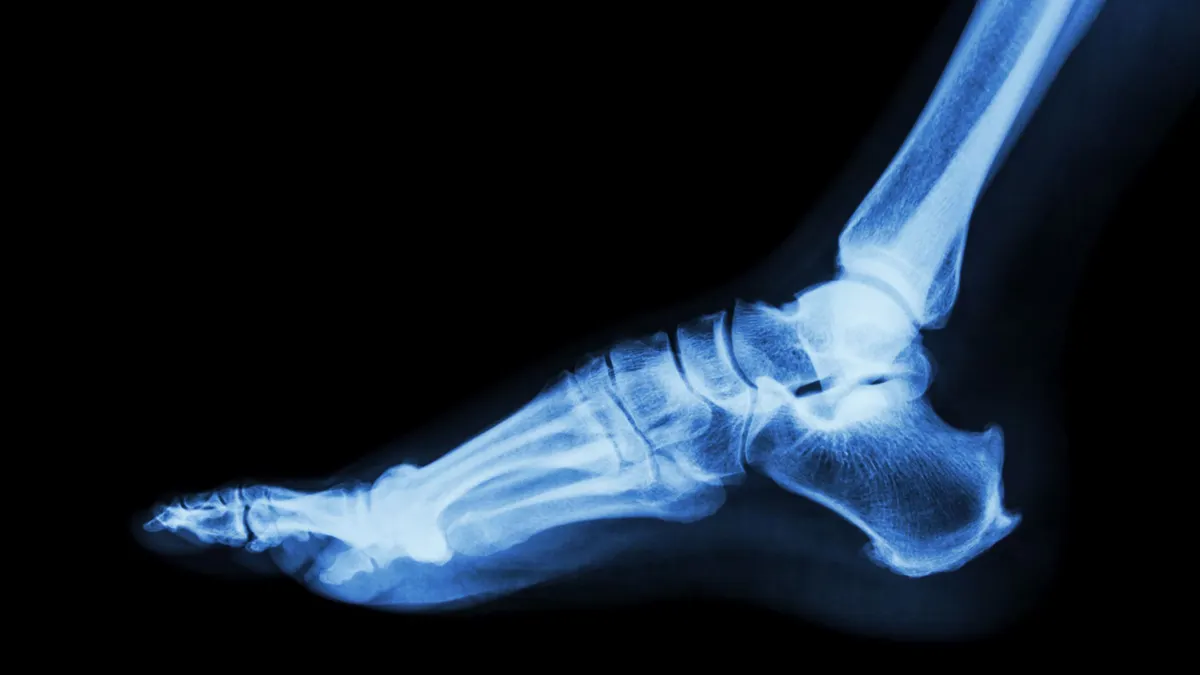
In a significant consolidation move within the medical technology sector, Teledyne Technologies has announced its intent to acquire Varex Imaging, a leader in X-ray technology and diagnostic imaging components. This acquisition represents a major step forward for Teledyne, aiming to bolster its footprint in the healthcare market and integrate highly specialized imaging capabilities into its existing digital imaging portfolio. With the deal expected to close by early next year, pending regulatory approvals, the merger highlights a growing trend of strategic M&A activity within the medical device space.
Main Facts: The Strategic Rationale
The core objective of this acquisition is the enhancement of Teledyne’s diagnostic imaging ecosystem. Teledyne, a global powerhouse in industrial, scientific, and aerospace instrumentation, has been systematically expanding its medical division for over a decade. By bringing Varex—a premier manufacturer of X-ray tubes, flat panel detectors, and photon counting technology—under its corporate umbrella, Teledyne is positioning itself to provide a more comprehensive suite of imaging hardware to OEMs (Original Equipment Manufacturers) worldwide.
Teledyne Executive Chairman Robert Mehrabian has emphasized that the two companies’ technologies are “uniquely complementary with minimal overlap.” While Teledyne already possesses a strong presence in digital X-ray detectors, Varex brings deep expertise in high-radiation environments, such as those found in oncology treatments, as well as cutting-edge photon counting capabilities. This synergy allows Teledyne to cross-sell its broad range of electronic and imaging components to Varex’s established medical client base, while Varex gains the capital and infrastructure of a larger parent company to scale its R&D efforts.
Chronology: A Decade of Medical Evolution
Teledyne’s journey into the medical sector was not an overnight shift but a deliberate, multi-year strategy defined by key acquisitions.
- 2011: The Foundation: Teledyne marked its formal entry into the medical imaging space with the acquisition of DALSA Corporation. At the time, DALSA was a leader in high-performance digital imaging and semiconductors. This move provided Teledyne with the sensor technology necessary to service both industrial and medical diagnostic markets.
- 2017: Broadening the Portfolio: Teledyne accelerated its healthcare ambitions by acquiring e2v technologies. e2v was a critical supplier of magnetrons—the vacuum tubes that generate the radio waves necessary for cancer radiotherapy devices. This acquisition proved that Teledyne was not just interested in imaging, but in the critical components that drive life-saving medical equipment.
- 2024–2025: Strengthening the Digital Imaging Unit: Through consistent growth and strategic integration, Teledyne’s digital imaging segment became a cornerstone of its financial performance. According to the company’s 2025 Annual Report, the digital imaging unit accounted for 52% of total corporate sales, underscoring the vital importance of this segment to shareholders.
- 2026: The Varex Acquisition: The agreement to acquire Varex represents the culmination of this decade-long pivot. By targeting a company that specializes in the "heart" of X-ray systems, Teledyne is cementing its position as an essential supplier to the global healthcare infrastructure.
Supporting Data: The Financial Landscape
The financial dynamics of this deal reveal the contrasting but complementary natures of the two firms.
Teledyne’s Growth
Teledyne’s financial health is robust, driven largely by its diverse portfolio. As of its most recent fiscal filings, the digital imaging business continues to be the primary engine of the company’s revenue. The reliance on high-margin, high-tech components has shielded the company from the volatility often seen in consumer-facing medical markets.
Varex’s Performance Metrics
Varex Imaging, while smaller than Teledyne, offers a specialized growth trajectory. In the first nine months of its most recent fiscal year, Varex reported:
- Medical Revenue: $435 million (a 1% year-over-year decline, reflecting a cooling in certain diagnostic hardware sectors).
- Industrial Revenue: $201.1 million (representing a smaller but faster-growing segment).
Despite the slight dip in medical revenue, Varex remains the industry standard for X-ray tubes and photon counting detectors. For Teledyne, the acquisition is not merely about current revenue, but about securing a monopoly-like position in high-demand, high-barrier-to-entry medical components.
Official Responses: Leadership Perspectives
The leadership teams from both organizations have been vocal about the strategic alignment of the deal.
Robert Mehrabian, Executive Chairman of Teledyne:
"Our X-ray technologies fit naturally alongside Teledyne’s product portfolio. The primary motivation for this deal is that while we are both in the imaging space, we are approaching it from different angles. We produce the sensors, and they produce the high-radiation-hardened tubes and photon counting detectors. By combining these, we can offer a ‘one-stop shop’ for OEMs, reducing their supply chain complexity."
Sunny Sanyal, CEO of Varex Imaging:
"Joining forces with Teledyne is a transformative move for our employees and our customers. Our advanced imaging solutions require significant investment to maintain their competitive edge. Teledyne’s extensive resources will help us accelerate the adoption of our next-generation photon counting technology and allow us to innovate at a pace that would have been significantly more difficult as an independent entity."
Implications: What This Means for the Industry
1. Market Consolidation
The acquisition of Varex is part of a broader trend of MedTech M&A. As healthcare providers look to simplify their supply chains, the preference for large, stable vendors that can provide a complete imaging chain—from detector to tube to software—is increasing. Smaller, specialized firms like Varex are becoming prime targets for conglomerate giants.

2. Technological Advancement: Photon Counting
The shift toward "photon counting" is one of the most significant technological leaps in medical imaging. Unlike traditional detectors that convert X-rays into visible light, photon counting counts the individual X-ray photons, providing higher resolution and lower radiation doses for patients. Teledyne’s acquisition of Varex grants it a lead in this high-tech subsector, potentially setting the stage for a new standard in diagnostic imaging.
3. Regulatory Scrutiny
While the companies expect the deal to close early next year, they must navigate the current regulatory environment. With global antitrust watchdogs taking a closer look at "vertical" acquisitions—where a company buys its supplier—Teledyne will need to demonstrate that the merger will not stifle competition among other diagnostic imaging OEMs. Given that Teledyne is a major supplier to many of the same companies that purchase from Varex, the deal will likely be subjected to rigorous review to ensure that it does not result in anti-competitive pricing or restrictive access for third-party manufacturers.
4. A Bullish Outlook for MedTech
The fact that this deal is valued in the billions reflects a broader confidence in the MedTech sector. Despite economic headwinds, the demand for high-end diagnostic equipment remains inelastic. Aging global populations and the need for earlier, more accurate cancer detection continue to drive investment in the components that make these procedures possible.
Conclusion: The Road Ahead
The integration of Varex Imaging into Teledyne is a masterclass in strategic alignment. By focusing on the "invisible" components of healthcare—the sensors, tubes, and detectors—Teledyne is securing its position at the center of the global medical imaging industry. While the coming months will be defined by regulatory due diligence and the complex process of corporate integration, the long-term outlook is clear. As the healthcare industry continues to demand higher precision and lower patient risk, the combined strength of Teledyne and Varex will likely serve as a catalyst for the next generation of diagnostic innovation.
As the deal moves toward its final stages in 2026, the industry will be watching closely to see how this newly merged entity influences the competitive landscape of oncology, radiology, and industrial inspection. If the past decade of Teledyne’s growth is any indication, this is not just an acquisition; it is a fundamental shift in how diagnostic hardware will be manufactured and delivered to the world.