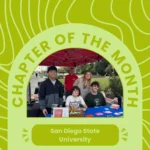






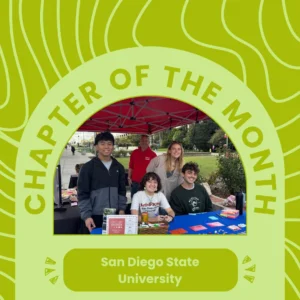


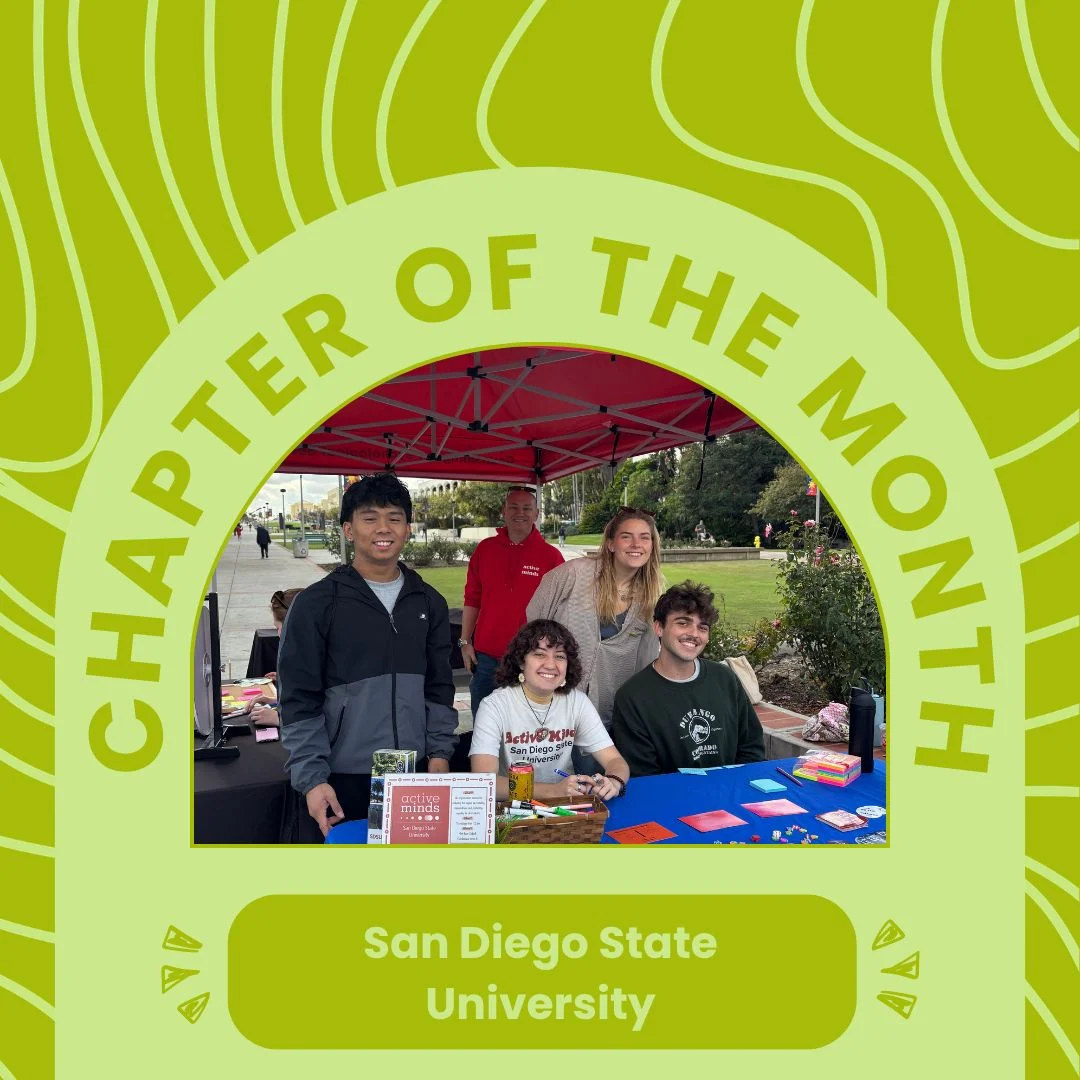
SAN DIEGO, CA — In an era where the mental health of college students has become a focal point of national public health discourse, San Diego State University (SDSU) has emerged as a beacon of peer-led intervention and cultural inclusivity. Active Minds, the nation’s premier nonprofit organization supporting mental health awareness and education for young adults, has officially designated the SDSU chapter as its "Chapter of the Month" for October 2026.
The recognition highlights SDSU’s sophisticated approach to destigmatizing mental health challenges within a diverse, metropolitan campus. By leveraging a collaborative model that bridges the gap between clinical services and grassroots student outreach, the SDSU chapter has successfully navigated the complexities of San Diego’s unique demographic landscape, particularly concerning immigrant and underserved student populations.
Main Facts: A Model for Peer-Led Advocacy
The SDSU chapter of Active Minds has distinguished itself through a multifaceted strategy that prioritizes accessibility and cultural competence. While many campus organizations struggle to maintain consistent engagement, SDSU has cultivated a core membership of 20 to 30 active student leaders, supported by a broader network of hundreds of students who participate in high-visibility outreach programs.
Key to their success is a formal partnership with SDSU’s Counseling and Psychological Services (CPS). This collaboration ensures that student advocates are not operating in a vacuum but are instead serving as a vital "front door" to professional resources. By promoting CPS services—which include free, tuition-covered short-term therapy—the chapter effectively lowers the barrier to entry for students who might otherwise be intimidated by clinical environments.

The chapter’s impact is perhaps most visible in its "Embracing Culture" initiative. Recognizing that mental health is not a "one-size-fits-all" experience, the SDSU chapter works alongside campus cultural resource centers to address how different backgrounds, languages, and histories shape an individual’s perspective on wellness. This intersectional approach is critical in a region like San Diego, which serves as a home to a large immigrant and first-generation student body.
Chronology: From 2013 Foundations to 2026 Excellence
The journey toward becoming a national leader in mental health advocacy began over a decade ago. The SDSU chapter of Active Minds was founded in 2013, a period when the national conversation regarding student suicide and depression was beginning to shift from silence toward proactive awareness.
- 2013–2018: Establishing the Infrastructure: In its early years, the chapter focused on building a rapport with the university administration and the CPS department. The goal was to establish Active Minds as a trusted student voice that could supplement the school’s formal mental health offerings.
- 2019–2022: Navigating the Global Pandemic: The COVID-19 pandemic served as a crucible for the organization. As student isolation reached unprecedented levels, the SDSU chapter pivoted to digital outreach, ensuring that the "Active Minds vibe"—characterized by warmth and peer connection—remained intact even when the physical campus was closed.
- 2023–2025: Expanding the Cultural Lens: Post-pandemic, the chapter shifted its focus toward the specific needs of underserved communities. This period saw the birth of the "Embracing Culture" outreach programs, which sought to dismantle the specific stigmas prevalent in immigrant households where mental health is often a taboo subject.
- September–October 2026: Achieving National Recognition: The chapter’s recent "Suicide Prevention and Awareness" month activities in September 2026 served as the catalyst for their "Chapter of the Month" award. Their signature candlelight event, featuring over 100 student-decorated lanterns, transformed the campus’s main walkway into a space of collective healing and visibility.
Supporting Data: The Scale of the Mental Health Crisis
The work of the SDSU chapter is underscored by sobering statistics regarding the state of mental health in higher education. According to national data, nearly 40% of college students report experiencing significant depression, and suicide remains the second leading cause of death for individuals aged 15 to 24.
At SDSU, the chapter’s internal metrics reflect a growing demand for peer-led support:
- Visibility: The September candlelight vigil engaged over 100 unique student creators, with an estimated reach of several thousand passersby on the main campus artery.
- Resource Navigation: Outreach efforts have contributed to a measurable increase in students utilizing CPS services, particularly among demographics that historically underutilize clinical therapy.
- Diversity of Engagement: By partnering with cultural resource centers, the chapter has seen a 15% increase in engagement from first-generation and immigrant student populations over the last two academic cycles.
These figures suggest that the SDSU model—one that emphasizes "warm hand-offs" between peers and professionals—is an effective strategy for combatting the "treatment gap" often seen in large, diverse university systems.
Official Responses: Leadership and Vision
Leaders of the SDSU chapter emphasize that their success is rooted in the "vibe" or culture they have created within the organization. In an official statement regarding their mission, the chapter leadership noted that their priority is to maintain a "welcoming and peer-centered space" that makes intimidating conversations approachable.
"Our chapter has witnessed firsthand how raising awareness of available resources can make a meaningful difference," a chapter spokesperson stated. "Especially for those who may otherwise face barriers to accessing mental health care, knowing that support is covered by their tuition and is a right, not a privilege, is life-changing."
The chapter’s mantra—"You are worthy of care and connection. Everyone deserves the opportunity for mental wellbeing"—serves as the guiding principle for their 2026-2027 agenda. This philosophy is echoed by the national Active Minds organization, which praised SDSU for its "commitment to fighting mental health stigma through a collaborative lens."

Furthermore, the chapter offers specific advice to other universities looking to replicate their success: the importance of internal culture. "Potential new members pick up on the overall atmosphere of your chapter," leadership advised. "When interactions between members reflect the same warmth we offer to the public, the advocacy becomes much more authentic and effective."
Implications: The Future of Campus Mental Health
The recognition of SDSU as Chapter of the Month carries significant implications for the future of mental health advocacy in California and beyond. As universities across the country grapple with funding shortages and overwhelmed counseling centers, the SDSU model provides a blueprint for how student-led organizations can alleviate the pressure on professional staff.
1. The Shift Toward "Intersectional Advocacy"
SDSU’s success proves that mental health advocacy can no longer be culturally neutral. By addressing the specific needs of immigrant and first-generation students, the chapter is setting a new standard for how campus organizations must operate in a globalized society. This intersectional approach is likely to be adopted by more chapters nationwide as they seek to reach marginalized groups.
2. Integration with National Systems
The SDSU chapter’s work coincides with the broader implementation of the 988 Suicide & Crisis Lifeline. As students become more comfortable discussing crises at the peer level, their ability to navigate national resources like 988 improves. The "Yes, and…" philosophy—acknowledging that while we have made strides, there is still much work to do—is becoming the dominant framework for student advocates.

3. Long-term Community Impact
By training student leaders in San Diego—a city with diverse and often underserved communities—Active Minds is preparing a generation of professionals who will carry these values into the workforce. Whether these students become doctors, engineers, or educators, their experience with SDSU’s peer-led advocacy ensures they will prioritize mental wellbeing in their future environments.
4. Redefining the "Student Experience"
The SDSU chapter’s work suggests that mental health is moving from a peripheral "service" to a core component of campus culture. When a university’s main walkway is lined with lanterns of hope and encouragement, it signals to every student that their internal struggle is recognized by the collective.
As the SDSU chapter looks toward the remainder of the 2026-2027 academic year, their focus remains on growth and sustainability. By fostering strong internal relationships and maintaining their partnership with CPS, they are ensuring that the movement to destigmatize mental health will continue to thrive long after the current leadership graduates. For the students of San Diego State University, the message is clear: the conversation has changed, and no one has to navigate their mental health journey alone.