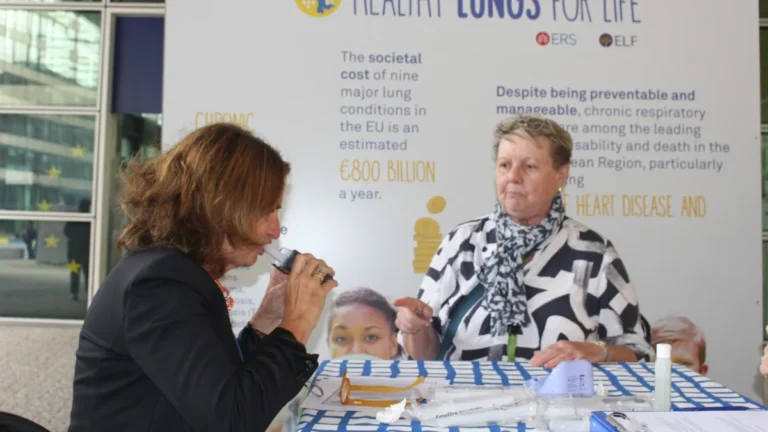







As the medical community prepares for the European Respiratory Society (ERS) Cough Conference 2026, a significant shift is occurring in the landscape of chronic respiratory care. Traditionally, medical conferences have functioned as arenas for clinicians and researchers to present clinical data, pharmaceutical breakthroughs, and diagnostic protocols. However, the 2026 edition marks a pivotal transition: the formal integration of the patient voice into the heart of scientific discourse.
Chronic cough, a condition that affects approximately one in ten adults globally, has long been characterized as a "misunderstood" ailment. It is frequently dismissed as a minor nuisance, yet for millions, it is a debilitating, life-altering experience. By placing patients like Andrew Lothian and Ruth Last alongside world-leading respiratory experts, the ERS is signaling a new era where patient-professional partnerships are not merely encouraged but considered essential to the advancement of medical science.
The Magnitude of the Challenge: Understanding Chronic Cough
To appreciate the significance of the 2026 ERS conference, one must first understand the reality of chronic cough. Defined as a cough lasting eight weeks or longer, it is often a symptom of underlying conditions such as asthma, gastroesophageal reflux disease, or upper airway cough syndrome. However, in many cases, it is classified as "refractory" or "unexplained," leaving patients in a cycle of failed treatments and diagnostic uncertainty.
The physical consequences are often matched by significant emotional and social impacts. Patients report chronic fatigue, musculoskeletal pain, incontinence, and social isolation. The "invisible" nature of the condition—where tests often return "normal" results despite the patient’s severe symptoms—leads to frustration and, frequently, a breakdown in the patient-provider relationship.
Chronology of a Movement: From Clinical Isolation to Collaborative Care
The journey toward the 2026 conference did not happen overnight. For years, the European Lung Foundation (ELF) has been working to build bridges between the clinical community and those living with respiratory disease.
- 2019: The formation of the Chronic Cough Patient Advisory Group (PAG) marked a turning point. It provided a structured platform for patients like Ruth Last to contribute their experiences to research initiatives and clinical trial designs.
- 2020–2024: During this period, the focus shifted toward "patient-reported outcome measures" (PROMs). Researchers began to realize that clinical data—such as lung function tests or X-rays—did not always correlate with the quality of life reported by patients.
- 2025: The groundwork for the 2026 conference was laid, with organizers explicitly deciding to feature patient testimonials as keynote elements of the scientific program.
- 2026 (The Current Context): The upcoming conference serves as the culmination of these efforts, where the focus is shifted from "managing a case" to "treating a person."
The Patient Perspective: Voices from the Frontline
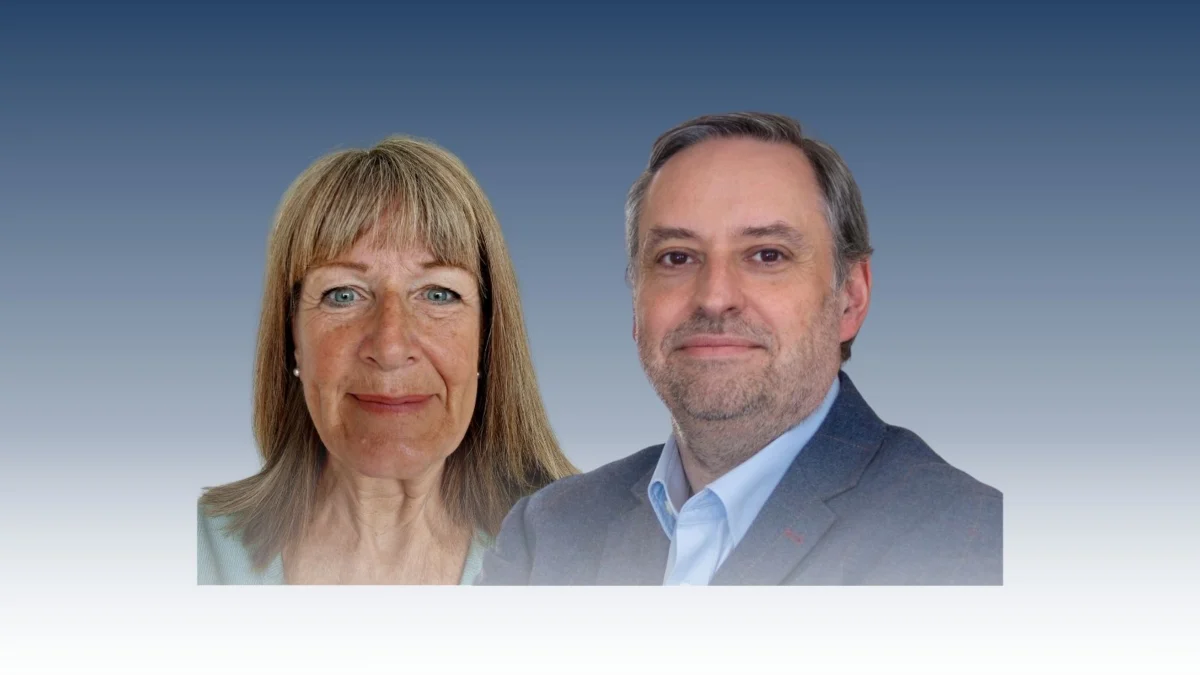
Two representatives from the ELF Chronic Cough PAG, Andrew Lothian and Ruth Last, are set to take center stage at the conference. Their involvement is not symbolic; it is functional.
Andrew Lothian: Advocating for Early Intervention
Andrew Lothian joined the PAG less than a year ago, driven by his own prolonged experience with the condition. His goal for the conference is to challenge the current standard of care, which often relies on a long, arduous process of elimination before effective therapies are offered.
"Specifically, I hope to advocate for earlier adoption of speech and language therapy, ideally in primary care, during the diagnostic process itself," Lothian notes. He emphasizes that simple, practical techniques can help control laryngeal hypersensitivity far sooner than current protocols allow. For Lothian, the conference is a unique opportunity to act as a bridge, ensuring that the clinical focus remains grounded in the daily reality of the patient’s struggle.
Ruth Last: Elevating the Status of the Condition
Ruth Last, a veteran advocate who has participated in multiple clinical trials, brings a unique perspective shaped by both her own health journey and her previous career in the NHS. Her contribution to the 2026 conference is centered on the need for systemic change.
"I have no expectations but have high hopes for chronic cough to be designated a disease," says Last. By categorizing it as a distinct disease entity rather than just a symptom, she argues, the medical community can unlock more robust research funding, standardized diagnostic pathways, and, ultimately, more compassionate care. Her testimony will highlight the ripple effect of the condition—how it impacts not just the patient, but their families, colleagues, and social circles.
Supporting Data: Why Patient Involvement is Essential
The rationale for inviting patients to a high-level scientific conference is supported by a growing body of evidence regarding health outcomes. When patients are involved in the design of clinical trials and the development of care pathways, the following improvements are frequently observed:
- Enhanced Adherence: Patients who feel heard and understood are more likely to adhere to treatment regimens, even when those treatments require lifestyle changes or complex protocols.
- More Relevant Research: By highlighting "unmet needs"—such as the need for non-pharmacological interventions like speech therapy—patients help researchers prioritize studies that solve real-world problems.
- Holistic Care Models: The integration of the patient voice prevents the "siloing" of care, encouraging clinicians to look at the psychological and emotional impacts of chronic cough alongside the biological ones.
The Professional Response: Bridging the "Clinical-Lived" Divide
The organizers of the ERS Cough Conference 2026 have explicitly structured the agenda to foster a two-way dialogue. The objective is to move beyond the traditional "lecturer-audience" dynamic.
Clinicians attending the event are being encouraged to treat these patient testimonials not as anecdotal, but as vital data points. For a physician, understanding the frustration of a patient who has been misdiagnosed for years is as important as understanding the pharmacology of a new cough suppressant. This "holistic understanding" is the primary goal of the conference organizers. They believe that by humanizing the clinical data, they can inspire doctors to adopt more empathetic, patient-centered approaches that validate the patient’s experience rather than questioning it.
Future Implications: What Lies Beyond 2026?
The implications of the 2026 ERS Cough Conference extend far beyond the duration of the event. The goal is to set a new standard for medical conferences globally. If the collaboration between the ELF and the ERS proves successful, it could catalyze a permanent shift in how chronic conditions are approached.
Key anticipated outcomes include:
- Policy Shifts: Increased lobbying for the formal recognition of chronic cough as a priority area in respiratory health policy.
- Educational Reform: Updates to medical school curricula and GP training programs to include the "patient perspective" as a core competency.
- Improved Patient Access: A move toward "one-stop" clinics where patients can access not just medical diagnostics, but also the speech and language therapy and psychological support they desperately need.
How to Get Involved: A Call to Action
The movement toward patient-led advocacy is open to all. The ELF continues to recruit for its various Patient Advisory Groups, recognizing that every individual brings a unique set of experiences that can shape the future of medicine.
For those interested in building their own skills, the European Patient Ambassador Programme (EPAP) offers a free, online, self-learning curriculum. It is designed to empower patients and carers with the tools needed to navigate the healthcare system, participate in research, and advocate for meaningful change.
As the ERS Cough Conference 2026 approaches, the message is clear: the future of medicine is not found in a laboratory alone. It is found in the intersection of scientific discovery and the lived reality of those who suffer. By listening to voices like those of Andrew and Ruth, the medical community is not just learning how to treat a cough—they are learning how to restore the quality of life to millions of people.
For more information on the latest research, upcoming events, and ways to get involved in the fight against chronic cough, visit the European Lung Foundation Information Hub.