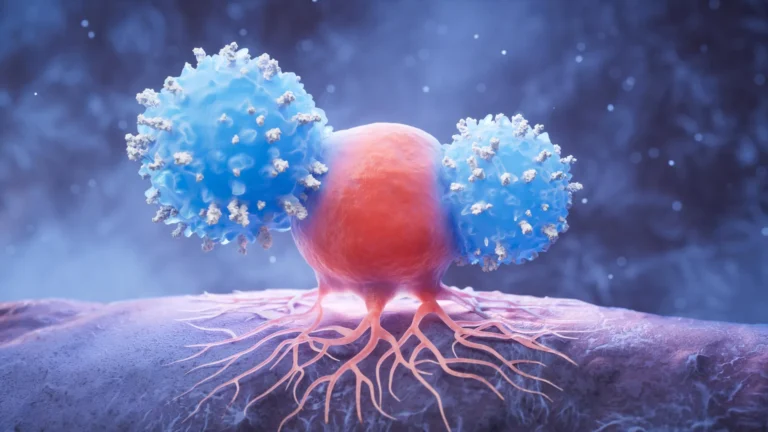
Sarcoma is a rare and complex category of cancer, often described as an "orphan" disease due to the sheer diversity of its manifestations. For patients and their families, a diagnosis can feel like navigating an uncharted landscape, marked by uncertainty and a scarcity of clear, reliable information. However, the scientific narrative surrounding these diseases is undergoing a profound shift. While traditional treatments like surgery, chemotherapy, and radiation remain the cornerstones of care, immunotherapy is beginning to rewrite the possibilities for survival and quality of life. As we mark Sarcoma Awareness Month, the medical community is highlighting not just the challenges of this rare condition, but the rapid, rigorous expansion of the therapies designed to combat it.
The Nature of the Beast: What is Sarcoma?
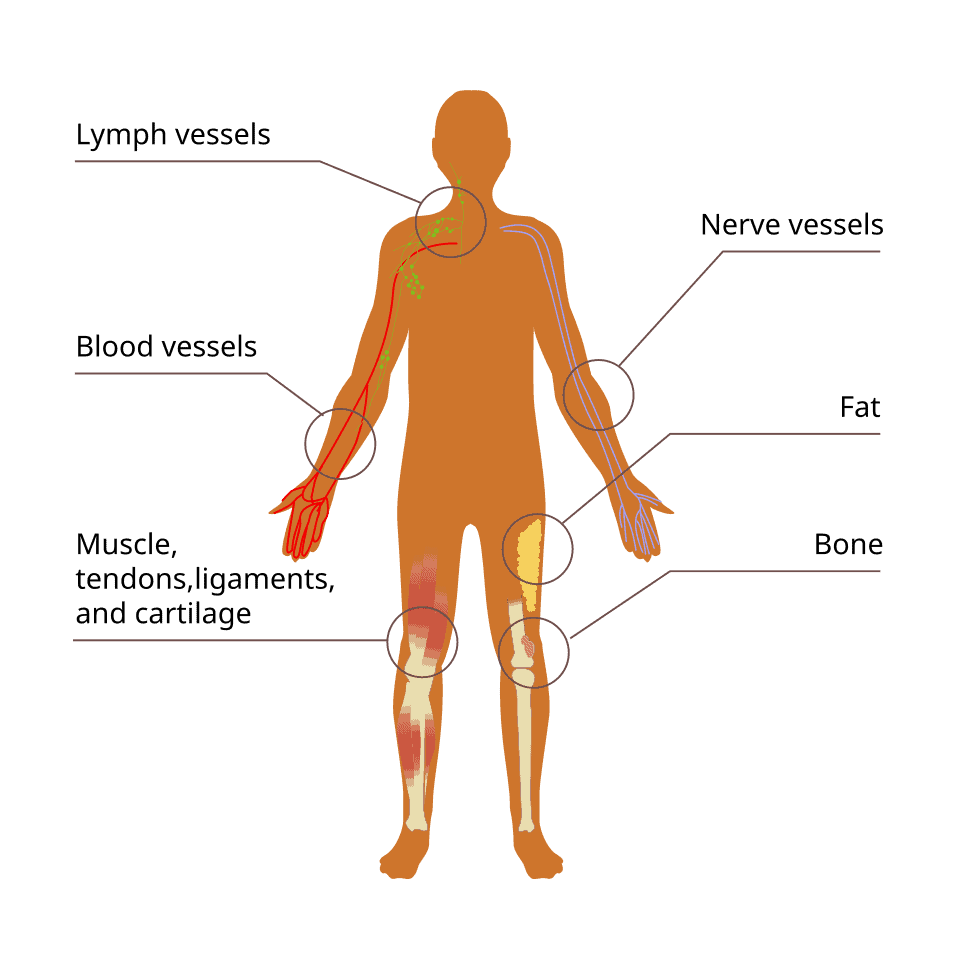
Unlike carcinomas, which originate in the epithelial cells of organs like the lungs, breasts, or colon, sarcomas are cancers that emerge from the connective and supportive tissues of the body. These include bone, muscle, fat, cartilage, blood vessels, and tendons. Because these tissues are ubiquitous throughout the human frame, a sarcoma can arise almost anywhere, making it a particularly elusive target for early detection.
There are more than 70 distinct, recognized types of sarcoma, which are broadly categorized into soft-tissue sarcomas and bone sarcomas. This diversity is precisely what makes them so difficult to treat; each subtype possesses a unique genetic and biological signature. What works for an osteosarcoma may be entirely ineffective for a liposarcoma. Consequently, an accurate, highly specific diagnosis—often requiring expert pathology review—is the most critical first step in clinical management.
Identifying the Risks
The etiology of most sarcomas remains a medical mystery. In the vast majority of cases, these tumors appear sporadically without a clear identifiable cause. However, researchers have identified several risk factors that can increase susceptibility:
- Genetic Syndromes: Conditions like Li-Fraumeni syndrome, Neurofibromatosis Type 1, and Retinoblastoma are linked to a higher incidence of specific sarcomas.
- Radiation Exposure: Individuals who have undergone prior radiation therapy for other cancers may face a higher risk of developing a radiation-induced sarcoma years later.
- Chronic Lymphedema: Long-term swelling of the limbs, often following surgery or radiation, can occasionally lead to the development of angiosarcoma.
- Environmental Factors: While less common, exposure to certain chemicals, such as vinyl chloride or arsenic, has been associated with specific sarcoma subtypes.
Because many sarcomas grow deep within muscle tissue, they often do not present with symptoms until they reach a significant size. Medical professionals emphasize that any new, persistent, or growing lump—especially one that is larger than a golf ball or causes discomfort—warrants immediate evaluation. While the vast majority of such lumps are benign, early detection remains the single most effective tool for successful surgical intervention.
A Historical Perspective: The Legacy of Dr. William B. Coley
It is a striking irony that the modern field of cancer immunotherapy finds its roots in the treatment of sarcoma. In the late 19th century, Dr. William B. Coley, a bone surgeon in New York, observed a patient whose sarcoma appeared to regress after the patient contracted a severe bacterial infection.
Hypothesizing that the immune system, when stimulated by the infection, had inadvertently targeted the tumor, Dr. Coley began experimenting with a cocktail of killed bacteria—known as "Coley’s toxins"—to trigger a robust immune response. Though his methods were controversial at the time and eventually overshadowed by the rise of radiation and chemotherapy, his work laid the conceptual foundation for what we now recognize as immuno-oncology. In 1953, his daughter, Helen Coley Nauts, co-founded the Cancer Research Institute (CRI) to formalize this pursuit, transforming an observation of chance into a disciplined scientific endeavor.
Immunotherapy: Unleashing the Body’s Defense
Immunotherapy is fundamentally different from traditional therapies because it does not aim to poison the tumor directly. Instead, it seeks to empower the patient’s own immune system to recognize, infiltrate, and destroy malignant cells.
Cancer is a master of camouflage. Many tumors develop mechanisms to "hide" from T-cells or emit chemical signals that actively suppress the immune system, creating an environment where they can grow unchecked. Immunotherapy works by removing these "brakes," effectively re-arming the immune system to resume its natural surveillance duties.
However, applying this in the context of sarcoma remains a significant challenge. Because sarcoma is not a singular disease but a collection of dozens of disparate conditions, the immune microenvironment of a tumor in the bone may look entirely different from one in the fat tissue. Current clinical practice restricts the use of approved immunotherapies to specific subtypes that have demonstrated sensitivity, often determined by the presence of certain genetic markers, such as high tumor mutational burden or specific protein expressions.
Current Landscape and Clinical Implications
For many patients, surgery remains the primary curative intent. When a tumor can be completely resected with "clear margins," the prognosis is generally improved. Radiation and chemotherapy are frequently employed as "neoadjuvant" (before surgery to shrink the tumor) or "adjuvant" (after surgery to catch residual cells) treatments.
Despite these interventions, many advanced sarcomas remain refractory to standard care. This "treatment gap" is where the current focus of immunotherapy research lies. Clinical trials are currently investigating:
- Checkpoint Inhibitors: Drugs that block the inhibitory signals cancer cells use to turn off T-cells.
- Adoptive Cell Therapy: Extracting, genetically modifying, and re-infusing a patient’s own immune cells to better target sarcoma antigens.
- Cancer Vaccines: Developing personalized vaccines that train the immune system to recognize unique mutations present only in the patient’s specific tumor.
The Path Forward: Research and Advocacy
The scientific community is currently in a phase of rapid acceleration. CRI-funded researchers and other global leaders are utilizing advanced technologies like single-cell sequencing to understand why some sarcomas respond to immunotherapy while others remain resistant. By mapping the "tumor microenvironment"—the ecosystem of cells surrounding the cancer—scientists are learning how to turn "cold" tumors (those invisible to the immune system) into "hot" tumors (those that attract immune activity).
Implications for Patients
For those facing a sarcoma diagnosis, the landscape is shifting from a paradigm of "limited options" to one of "targeted inquiry." The most important takeaway for patients is the value of expert, specialized care. Because of the rarity of sarcoma, patients are strongly encouraged to seek treatment at centers of excellence—facilities that see high volumes of these cases and participate in active clinical research.
"Don’t hesitate to ask about clinical trials," experts suggest. Trials are not just a "last resort"; they are often the pathway to the most innovative, cutting-edge therapies currently in development. Furthermore, patient advocacy organizations provide essential support networks, helping individuals navigate the psychological, logistical, and financial hurdles of living with a rare cancer.
Conclusion: A Future of Hope
While immunotherapy is not yet a universal cure-all for every sarcoma patient, it has fundamentally changed the conversation. We have moved from the era of "Coley’s toxins" to an era of precision medicine, where the genetic code of a tumor can inform the specific immunotherapy that may offer the best chance of response.
The story of sarcoma treatment is one of resilience. As researchers continue to break down the barriers between the immune system and the tumor, the goal remains clear: to ensure that the "rare" nature of this disease does not translate into a lack of hope. Through rigorous research, collaborative advocacy, and the empowerment of patients to seek specialized care, the future of sarcoma treatment is not only changing—it is expanding.
Sources and Further Reading
- The Cancer Research Institute (CRI) – Comprehensive guides on immunotherapy for solid tumors.
- The Sarcoma Foundation of America – Educational resources and patient support initiatives.
- National Cancer Institute (NCI) – Clinical trial databases and detailed sarcoma sub-classification protocols.
- Archives of Oncology – Historical reviews on the legacy of Dr. William B. Coley.