






July 14, 2026 — For the millions of Americans in recovery and the organizations that support them, the strength of the recovery ecosystem is inextricably linked to the fiscal health of federal programs. From community-based peer support initiatives to national substance use disorder prevention strategies, the efficacy of these services is determined by complex legislative decisions made within the halls of Congress.
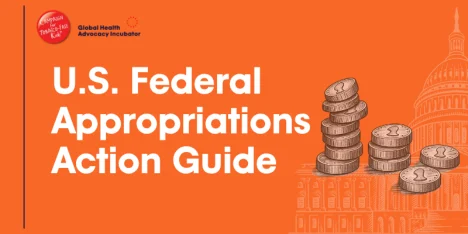
However, the federal appropriations process—a labyrinth of subcommittees, fiscal years, and procedural deadlines—has long been a barrier to effective advocacy. Today, in an effort to bridge this gap, a critical new resource has been unveiled: the U.S. Federal Appropriations Action Guide, developed by the Overdose Prevention Initiative at the Global Health Advocacy Incubator (GHAI). This toolkit aims to empower recovery advocates by transforming intimidating bureaucratic processes into actionable, community-driven strategies.
The Landscape: Why Advocacy Matters in Fiscal Policy
The recovery community operates on the front lines of one of the most pressing public health crises in American history. While the need for robust, sustained funding for recovery support services (RSS) is universally acknowledged by health professionals, the actual flow of capital is often dictated by shifting political priorities in Washington, D.C.
For many local organizations, the "black box" of federal budgeting means that opportunities to influence funding are often missed until it is too late. The appropriations process is not merely a technical exercise; it is a moral one. It determines whether grant funding reaches community-based organizations (CBOs), whether recovery housing is expanded, and whether peer workforce development programs receive the necessary federal investment.
By demystifying this process, the GHAI’s new guide serves as a bridge between the grassroots reality of recovery and the high-level policy decisions that shape the future of addiction treatment and recovery services nationwide.
Chronology: The Lifecycle of Federal Appropriations
To be an effective advocate, one must understand the rhythm of the federal budget. The new guide breaks down the legislative calendar, highlighting the specific windows of time where advocacy can yield the greatest impact.
1. The President’s Budget Request (Early Spring)
The cycle typically begins with the President’s proposed budget, which serves as a blueprint for the administration’s priorities. For advocates, this is the first signal of the coming fiscal year’s intentions.
2. Congressional Hearings and Testimony (Spring)
Once the budget is submitted, Congress begins the hearing process. This is a critical time for advocates to submit testimony. The new toolkit provides templates to ensure that the recovery community’s voice is articulated in a manner that resonates with congressional staffers and members of the appropriations committees.
3. Markup and Floor Votes (Summer/Early Fall)
This is the "high-stakes" period. House and Senate committees "mark up" their versions of appropriations bills. During this phase, report language—the explanatory text that accompanies funding bills—is drafted. This language is often what dictates how specific funds must be spent, making it a powerful tool for ensuring that recovery-specific programs are prioritized.
4. Conference and Enactment (Late Fall/Winter)
The final stage involves reconciling differences between the House and Senate versions. This is the period of the "final push," where advocacy groups must be vigilant to ensure that critical line items are not stripped during the negotiation process.
Supporting Data: The Power of Informed Advocacy
The necessity for this guide is rooted in the reality of the current funding environment. According to data provided by the Global Health Advocacy Incubator, organizations that engage in proactive, year-round advocacy are 40% more likely to see their priorities reflected in final appropriations language than those that only engage in reactive, last-minute lobbying.
The toolkit provides several quantitative and qualitative resources:
- The Advocacy Calendar: A month-by-month guide detailing when to reach out to specific committees.
- Decision-Maker Mapping: A breakdown of the House and Senate Appropriations Committees, identifying key members whose districts or states are currently at the center of the overdose crisis.
- Impact Metrics: Evidence-based templates that allow organizations to demonstrate the ROI of recovery services, a metric that is increasingly vital when speaking with fiscal conservatives in Congress.
Official Responses and Strategic Implications
"Recovery advocates have the lived experience and the data to show what works," noted a spokesperson for the Overdose Prevention Initiative. "But even the most passionate story can be sidelined if it isn’t delivered to the right person at the right time in the right format. This guide is designed to remove the friction from that process."
For community organizations, the implications are significant. Historically, smaller, localized recovery community organizations (RCOs) have felt excluded from federal-level discussions due to a lack of staff resources to track legislative updates. By providing "plain-language" resources—such as ready-to-use sign-on letters and standardized report language—the guide democratizes the advocacy process.
Bridging the Gap Between Policy and Practice
The guide also addresses a perennial issue in federal funding: the "siloing" of addiction services. By encouraging advocates to use standardized language, the toolkit helps create a unified front. When hundreds of organizations across the country use similar terminology to describe the need for, for example, "long-term peer recovery support," it creates a cohesive narrative that becomes impossible for policymakers to ignore.
Implications for the Future of Recovery Support
The release of the U.S. Federal Appropriations Action Guide arrives at a pivotal moment. As the nation faces an evolving landscape of synthetic substances and a growing need for long-term, community-based care, the demand for sustained federal support has never been higher.
Strengthening the Grassroots Voice
The power of this resource lies in its scalability. A small, rural RCO can use the same testimony templates as a large national advocacy group. This ensures that the voices of those in recovery are not just represented by lobbyists in expensive suits, but by the people who live and work in the communities being served.
Long-Term Sustainability
Ultimately, the goal of this initiative is to move the recovery sector from a state of constant funding uncertainty to one of structural stability. When recovery organizations understand the "when" and "how" of appropriations, they can begin to plan programs with a multi-year horizon, rather than living from grant cycle to grant cycle.
A Call to Action: How to Utilize the Toolkit
The Global Health Advocacy Incubator and the Overdose Prevention Initiative are encouraging all stakeholders—including RCOs, public health agencies, and individual advocates—to download the guide immediately.
Key features of the guide include:
- Testimony Templates: Professionally drafted documents that can be customized to share personal recovery stories alongside rigorous fiscal arguments.
- Sign-on Letter Examples: Frameworks for building coalitions, which are essential for demonstrating broad-based support for specific legislative riders or funding increases.
- Direct Access: Links to the latest federal legislative databases to track bill status in real-time.
As the 2026 fiscal year progresses, the advocacy community is urged to treat this guide as a living document. By organizing around these tools, the recovery community can ensure that federal funding is not just a reactive measure, but a proactive investment in the health, safety, and prosperity of communities across the United States.
To download the guide and begin integrating these strategies into your organization’s advocacy efforts, visit the Global Health Advocacy Incubator’s official resource page.
Final Thoughts: The Responsibility of Representation
The recovery movement has always been built on the foundation of shared experience and mutual support. In 2026, that support must extend to the halls of Congress. By leveraging the technical tools provided by the Overdose Prevention Initiative, the movement can transition into a new era of political maturity—one where recovery is not just a social cause, but a federal priority backed by sustained, informed, and strategic investment.
The budget is more than just a document; it is a statement of our national values. By engaging with the appropriations process, the recovery community is not only asking for resources—it is claiming its seat at the table where the future of public health is decided.