











For the modern athlete or fitness enthusiast, the grocery store has become a battleground. As food inflation continues to exert pressure on household budgets, the dream of maintaining a high-protein, performance-oriented diet often feels like a luxury reserved for the affluent. Every trip to the supermarket is a potential shock to the system, with price tags seemingly climbing on a weekly basis.
The prevailing myth in the fitness community is that "eating clean" requires a bottomless bank account—that to fuel a Herculean physique, one must purchase organic ribeye steaks, imported superfoods, and expensive, pre-packaged "health" snacks. However, this narrative is not only flawed; it is a barrier to entry for millions of people looking to improve their health. The reality is that you don’t have to pivot to ramen noodles or processed "mystery meats" to keep your gains on track. With a strategic approach, you can slash your grocery bills by up to 30% without sacrificing the macros required for muscle growth and recovery.
The Financial Landscape of Fitness Nutrition
Main Facts: The Cost of Performance
The current inflationary climate has forced a fundamental shift in how we approach nutrition. Data from the Bureau of Labor Statistics suggests that while inflation rates have fluctuated, the cost of protein-dense foods remains historically elevated. For the individual requiring 2,500 to 3,500 calories daily to support intense resistance training, this translates to a significant "fitness tax."
The crux of the problem is that many athletes prioritize convenience over cost-efficiency. By opting for pre-cut vegetables, branded supplements, and premium cuts of meat, consumers are paying a "convenience premium" that can inflate a weekly grocery bill by hundreds of dollars. The strategy to combat this isn’t about self-deprivation; it is about "smart shopping"—making calculated choices that prioritize caloric density and nutritional profile over branding and packaging.
Chronology of a Smarter Shopping Strategy
From Impulse Buying to Calculated Procurement
The path to a lower grocery bill begins before you even step foot in the store. A successful, cost-effective nutrition plan follows a specific chronological workflow:
- Inventory Assessment: Before browsing, audit your pantry. Identify items that can be repurposed.
- Meal Versatility Planning: Adopt a "two-meal rule." Every ingredient purchased should be featured in at least two different recipes to minimize waste.
- The "Peripheral" Shopping Method: Stay on the outer edges of the grocery store where whole foods—produce, proteins, and dairy—are typically located. This naturally limits exposure to processed, high-cost, low-nutrient items.
- Strategic Bulk Procurement: Utilize bulk bins for dry goods like oats, legumes, and spices. These items lack the marketing markup of packaged goods and offer superior value.
- The "Close-to-Date" Hunt: Visit the store during off-peak hours to identify items marked down for quick sale. Yogurt, meats, and produce near their sell-by dates are perfectly safe and offer immediate savings of 50% or more.
Supporting Data: Why "Cheap" Doesn’t Mean "Inferior"
Debunking Nutritional Myths
The fitness industry has spent decades convincing consumers that fresh is always superior to frozen or canned. Scientific data, however, tells a different story.
The Frozen Advantage: Frozen fruits and vegetables are typically harvested at peak ripeness and flash-frozen within hours, locking in vitamins and minerals. Conversely, "fresh" produce in the grocery store may have been harvested weeks prior and spent days in transit, leading to nutrient degradation. Furthermore, frozen options allow for portion control, preventing the spoilage that often occurs with fresh produce, thereby reducing food waste—a hidden cost that destroys many budgets.
The Power of Canned Goods: Canned fish (sardines, tuna, mackerel) and canned beans are nutritional powerhouses. Sardines, for instance, are one of the most cost-effective sources of high-quality protein and Omega-3 fatty acids available. Similarly, canned tomatoes often contain more lycopene and flavor than out-of-season, pale-tasting fresh tomatoes, at a fraction of the price.
Official Perspectives and Expert Consensus
The "Do-It-Yourself" Mandate
Nutritionists and financial planners alike agree: the "convenience trap" is the primary enemy of the budget-conscious athlete. Industry experts note that retailers mark up pre-processed items—such as pre-shredded cheese, de-boned chicken breasts, and chopped fruit—by anywhere from 50% to 200%.
By returning to the basics—buying whole chickens and butchering them, shredding your own cheese, and shelling your own shrimp—you retain that extra capital. This isn’t just about the immediate savings; it is about building the discipline required for long-term health. The "Pro Tip" echoed by fitness professionals is to invest in a well-stocked spice rack. Spices allow you to transform the same base ingredients (rice, beans, lentils, chicken thighs) into dozens of distinct, flavorful meals, preventing the "boredom fatigue" that often leads to expensive takeout orders.
Strategic Cost-Cutting Hacks
1. The Egg: The Gold Standard of Protein
Since the 2025 avian influenza disruptions, egg prices have finally stabilized. At roughly 25 to 40 cents per egg, they remain the most cost-effective "complete" protein source. Eggs are not just for breakfast; they are a versatile, shelf-stable-ish protein source that can anchor any lunch or dinner.
2. The Versatility of the "Spud"
Potatoes are a misunderstood hero of the muscle-building diet. They are inexpensive, high-quality sources of complex carbohydrates necessary for fueling high-intensity training. Buying potatoes in 5 or 10-pound bags significantly lowers the per-serving cost.
3. Embracing "Neglected" Meat Cuts
The obsession with chicken breasts and tenderloins has inflated their prices. Savvy athletes should pivot to chicken thighs, pork loin, and round steak. These cuts are often more flavorful, contain more healthy fats, and are significantly cheaper per pound.
4. Seasonal Root Vegetables
During the fall and winter, skip the out-of-season asparagus and berries. Shift your vegetable quota toward root vegetables like beets, carrots, rutabaga, and turnips. They are hearty, nutrient-dense, and have a long shelf-life, meaning they won’t rot in your crisper drawer.
Implications for the Modern Athlete
The implications of adopting a frugal, nutrition-focused lifestyle are profound. By cutting 30% of your food costs, you free up capital that can be reinvested into your fitness—perhaps toward a gym membership, higher-quality training equipment, or simply easing the mental burden of financial stress.
Lowering your food bill doesn’t mean eating "poorly." It means eating with intention. It means acknowledging that a bowl of lentils, spinach, and eggs provides the same muscle-building amino acids as a $20 steak, provided the quality of the intake is consistent.
High-Nutrition, Low-Cost Recipes
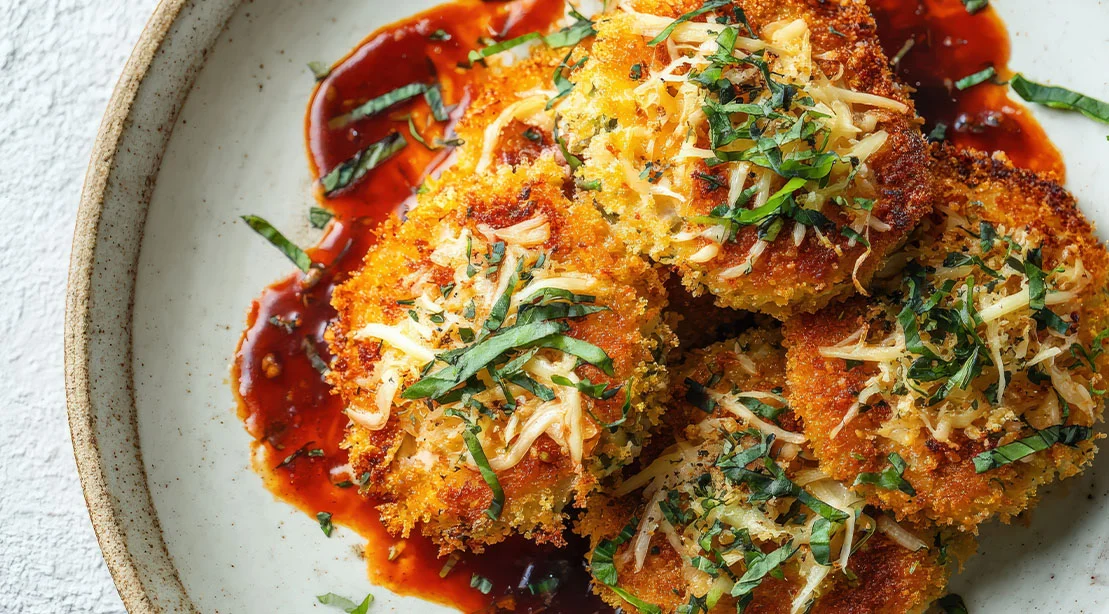
1. Lemony Sweet Potato Fish Cakes
- Ingredients: Canned sardines (drained), mashed sweet potato, egg, breadcrumbs, red onion, lemon zest, and Italian seasoning.
- Method: Combine all ingredients, shape into patties, and pan-fry until golden. Serve with a sauce of heated canned crushed tomatoes, garlic, and chili flakes.
2. Egg and Bean Casserole
- Ingredients: Bread cubes, onion, mushrooms, bell peppers, canned black beans, eggs, milk, and cheese.
- Method: Sauté vegetables and beans. Whisk eggs, milk, and cheese. Layer bread in a dish, top with the mixture, and bake at 375°F until the center is set. This is the ultimate meal-prep solution for a busy week.
3. Pumpkin Butter Chicken
- Ingredients: Chicken, onion, garlic, ginger, pumpkin puree, coconut milk, tomato paste, and a blend of garam masala, turmeric, and cumin.
- Method: Sauté aromatics and chicken. Add spices, then stir in pumpkin and coconut milk to create a rich, creamy sauce. Serve with rice or over steamed greens.
Conclusion: The Champion’s Mindset
Eating for performance is a long-term game. It is not about the single expensive meal you eat at a restaurant; it is about the thousands of meals you prepare in your own kitchen over the course of a lifetime. By utilizing these strategies—embracing canned goods, prioritizing store brands, opting for root vegetables, and mastering the art of the "DIY" meal—you can nourish your body to its peak potential without breaking your budget. The most "Herculean" thing you can do is take control of your plate, your wallet, and your future.