






July 14, 2026
For decades, the recovery community has operated on the front lines of one of the most pressing public health crises in American history. From community-based recovery organizations (RCOs) to grassroots coalitions, the mission is clear: to ensure that individuals struggling with substance use disorders have access to the support, resources, and clinical care necessary to reclaim their lives. However, for many of these advocates, the path to systemic change is often obstructed by the opaque, labyrinthine nature of federal budget and appropriations processes.
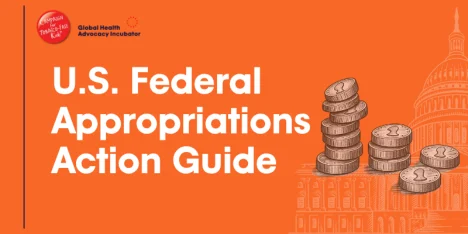
In a landmark effort to bridge this gap, the Overdose Prevention Initiative at the Global Health Advocacy Incubator (GHAI) has released the U.S. Federal Appropriations Action Guide. This comprehensive resource arrives at a critical juncture, providing advocates with the tools necessary to transform passion into policy-driven impact.
Main Facts: Decoding the Federal Funding Mechanism
The primary challenge facing the recovery sector is not a lack of commitment, but a deficit in technical advocacy infrastructure. Federal funding for addiction recovery and overdose prevention is governed by a complex cycle of congressional appropriations. For organizations focused on local service delivery, navigating the nuances of budget resolutions, subcommittees, and "report language" can feel like an impossible hurdle.
The new Action Guide serves as a "translator" for this process. It demystifies the legislative cycle, breaking down the essential milestones—from the President’s budget request to the final passage of appropriations bills. By converting complex procedural jargon into plain-language guidance, the resource empowers advocates to:
- Identify Key Decision-Makers: Learn exactly which congressional committees hold the "purse strings" for substance use and mental health programs.
- Time Their Interventions: Understand the critical windows for advocacy, such as when committees are drafting legislation versus when the final floor votes occur.
- Utilize Standardized Advocacy Tools: Access ready-to-use templates for congressional testimony, sign-on letters, and suggested report language that can be customized to reflect local needs.
Chronology: The Road to the 2026 Action Guide
The release of this guide is the culmination of years of advocacy evolution within the recovery community.
- 2020–2023: The Pandemic Pivot. During the height of the opioid and overdose crisis, the recovery sector saw a massive influx of emergency federal funding. While life-saving, this funding often came in the form of short-term grants, creating a "funding cliff" for many organizations.
- 2024: Identifying the Knowledge Gap. National advocacy organizations began reporting that while local RCOs were highly effective at grassroots outreach, they lacked the specialized training required to influence federal legislative language.
- 2025: Collaborative Development. The Overdose Prevention Initiative engaged with community stakeholders to determine what information was most vital. They discovered that advocates were frequently sidelined not by lack of interest from legislators, but by a lack of formal, professionalized communication from the field.
- July 14, 2026: Official Launch. The publication of the U.S. Federal Appropriations Action Guide marks the transition from reactive, crisis-driven lobbying to a proactive, sustained advocacy strategy for the recovery movement.
Supporting Data: The Case for Sustained Investment
To understand why this guide is essential, one must look at the data regarding substance use disorder (SUD) outcomes in the United States. According to recent public health reports, while federal spending on addiction services has increased, it remains significantly misaligned with the scale of the crisis.
The "Funding Gap" in Recovery
Analysis of current federal allocations suggests that while clinical treatment (detox and medication-assisted treatment) receives a significant share of federal attention, the "long-tail" of recovery—which includes housing, peer support, and social integration—is chronically underfunded.
- Economic Impact: Estimates indicate that for every $1 invested in recovery and treatment services, the economy saves between $4 and $7 in reduced criminal justice costs and emergency room expenditures.
- Operational Sustainability: Research from the Global Health Advocacy Incubator suggests that organizations that engage directly with the appropriations process are 40% more likely to secure long-term, multi-year funding compared to those that rely solely on competitive, short-term grant cycles.
The Action Guide provides the framework to advocate for these systemic shifts, moving funding away from "band-aid" solutions and toward the sustainable infrastructure required to support long-term recovery.
Official Responses: Strengthening the Advocacy Ecosystem
Leaders within the recovery movement have heralded the guide as a "force multiplier" for grassroots organizers.
"Our voices are strongest when we speak in the language of the people who hold the power," says a representative from the Faces and Voices of Recovery coalition. "For too long, the recovery community has been an outsider looking at the federal budget. With this guide, we are invited into the room. We now have the technical vocabulary to show legislators that recovery is not just a moral imperative, but a smart, data-driven fiscal investment."
The Overdose Prevention Initiative emphasizes that this project was built specifically for the public health sector. "Advocacy isn’t just about showing up at a protest," notes an initiative spokesperson. "It is about the painstaking work of drafting the right sentence for a congressional report. It is about understanding the difference between an authorization and an appropriation. This guide is designed to give advocates that professional edge."
Implications: A New Era of Professionalized Advocacy
The release of this resource signals a shift in how the recovery community interacts with the U.S. government. Moving forward, the implications for the sector are profound:
1. Standardization of Messaging
By utilizing the templates provided in the guide, local organizations across the country can adopt a unified, professional voice. When hundreds of RCOs across different states submit testimony using consistent data points and clear, actionable requests, the cumulative impact on congressional offices is significantly amplified.
2. Shifting the Narrative from "Crisis" to "Continuum"
The guide encourages advocates to move beyond the narrow focus of "stopping the overdose" and toward the broader goal of "building a recovery ecosystem." By engaging in the appropriations process, advocates can champion funding for peer support certification, recovery-friendly housing, and employment initiatives—the very pillars of sustained abstinence and community reintegration.
3. Democratizing Legislative Influence
Historically, federal advocacy has been dominated by well-funded industry lobbyists. This guide levels the playing field, providing small, community-led nonprofits with the same procedural knowledge that professional firms use. It democratizes influence, ensuring that the people most affected by addiction policies have the tools to write those policies.
Conclusion: How to Get Involved
The U.S. Federal Appropriations Action Guide is more than a document; it is a call to action. As we move through the 2026 fiscal year, the decisions made in Washington, D.C., will define the capacity of local organizations to serve their communities for years to come.
Recovery advocates, community leaders, and coalition partners are strongly encouraged to download the guide and integrate its lessons into their operational planning.
The battle against the overdose crisis is fought on many fronts—in the clinic, in the home, and in the community. Today, with the help of this new resource, that fight is also being waged with greater precision and professionalism in the halls of Congress. The recovery movement has always been about resilience; now, it is equipped with the legislative strategy to match that resilience with systemic, lasting change.
Join the movement, master the process, and ensure that recovery is a national priority.