For decades, the promise of immunotherapy has hovered on the horizon of oncology like a mirage. While it has revolutionized the treatment of cancers like melanoma and certain lung carcinomas, it has remained largely ineffective against the "immune-cold" tumors that define many of the most common malignancies, most notably prostate cancer. Prostate tumors are notoriously adept at cloaking themselves from the body’s natural defenses, creating a fortress that T cells—the immune system’s frontline soldiers—cannot breach.
However, a groundbreaking study recently published in the journal Nature Biomedical Engineering may have finally identified the key to dismantling these fortifications. Researchers, led by an interdisciplinary team from the University of Rochester Medicine and Duke University School of Medicine, have developed an experimental CRISPR-based technology capable of reprogramming RNA. By forcing cancer cells to abandon their survival-oriented genetic shortcuts, this new method effectively unmasks tumors, rendering them vulnerable to the very immune system that previously ignored them.
The Problem: The "Immune Cold" Fortress
To understand the magnitude of this discovery, one must first understand why the current generation of immunotherapies often fails in the context of prostate cancer. Most prostate tumors are categorized as "immune cold," a clinical term indicating that the tumor microenvironment is devoid of tumor-infiltrating lymphocytes (TILs), specifically T cells.
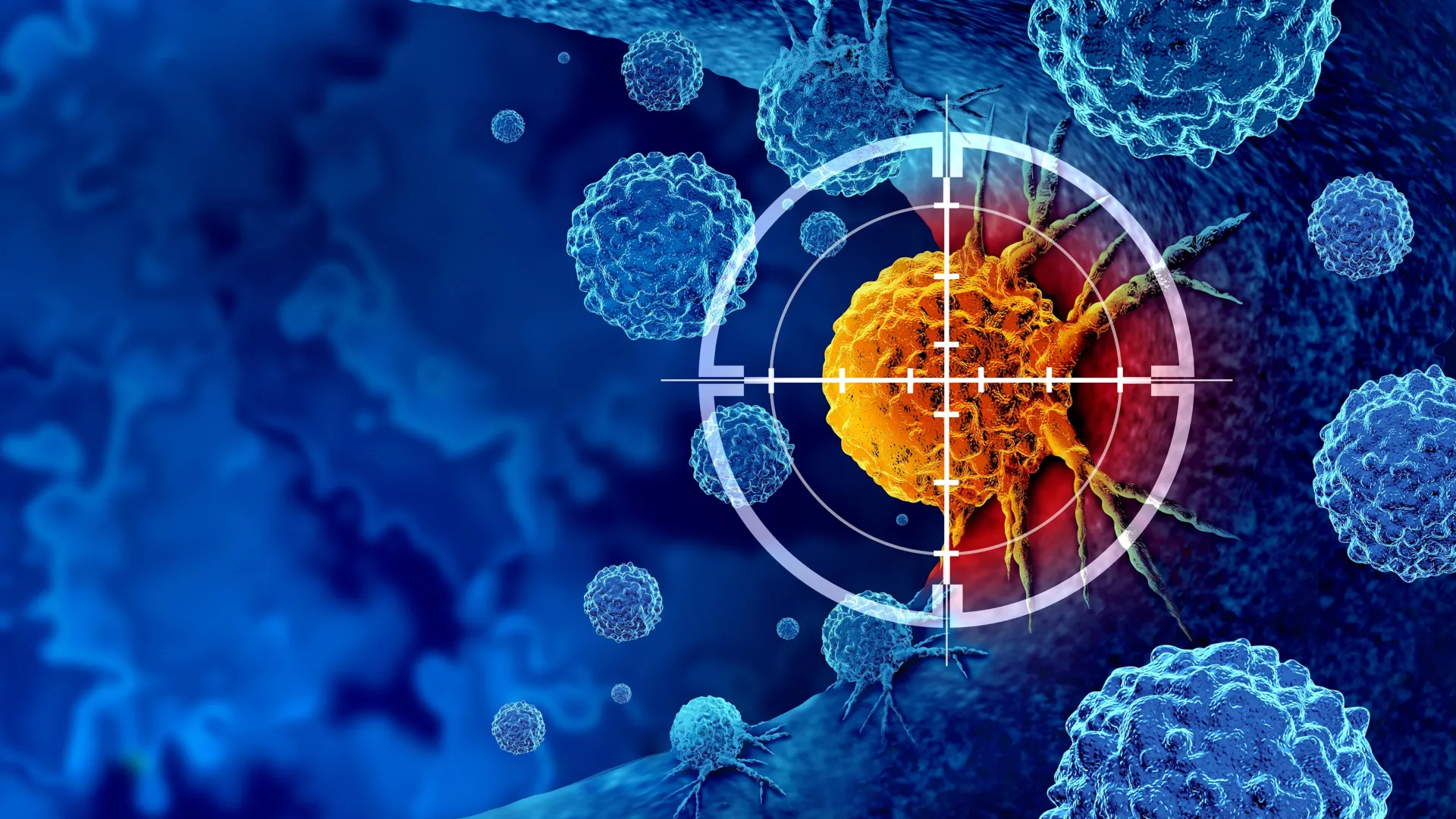
In a healthy immune response, T cells patrol the body, scanning for cells that display "foreign" markers on their surface—a process facilitated by the Major Histocompatibility Complex class I (MHC-I) protein. Cancer cells, in a display of evolutionary cunning, often suppress the expression of MHC-I. Without this molecular "beacon," T cells pass right by the malignant cells, unable to recognize them as threats.
For years, scientists sought to fix this by injecting patients with checkpoint inhibitors—drugs designed to release the "brakes" on the immune system. While powerful, these drugs are useless if the T cells cannot find the tumor in the first place. The Rochester and Duke team realized that the answer wasn’t just to boost the immune system; it was to force the cancer to stop hiding.
A Twelve-Year Journey: The Discovery of mRNA Shortening
The genesis of this breakthrough dates back to 2012, when Eric J. Wagner, PhD, then a researcher investigating glioblastoma, stumbled upon a curious anomaly. He observed that messenger RNA (mRNA)—the genetic courier that carries instructions from DNA to the cell’s protein-making machinery—was consistently shorter in tumor cells than in healthy tissue.
Over the following decade, Wagner’s team, alongside other global researchers, established that this phenomenon is not a quirk of brain cancer, but a widespread strategy employed by various aggressive malignancies. In nature, organisms often adopt "compact" forms to survive harsh environments; similarly, cancer cells truncate their mRNA molecules. These shortened mRNA strands are significantly more stable and resistant to the cellular enzymes that would normally degrade them.
Because these truncated mRNAs are harder for the cell to regulate, they remain active for extended periods, driving the continuous production of proteins that allow the cancer to survive, metastasize, and evade destruction. The "hedgehog effect," as some researchers describe it, allows the tumor to remain "small" and less exposed to regulatory checks, effectively creating a cellular state that is both highly resilient and invisible to the immune system.
The Mechanics: CRISPR Beyond the DNA Cut
The traditional understanding of CRISPR-Cas9 is that of a "molecular scissor," capable of making precise cuts in DNA to delete or insert genes. However, the team behind the new study utilized a more nuanced tool: the CRISPR-Cas13 system, which targets RNA rather than DNA.
More importantly, the researchers engineered this tool to be a "binding" mechanism rather than a "cutting" one. By targeting the machinery responsible for the shortening of specific mRNA molecules—specifically those associated with the protein SPSB1—the team was able to prevent the truncation process entirely.
SPSB1 is a key player in the tumor’s immune-evasion strategy. When SPSB1 levels are high, the MHC-I complex is suppressed, keeping the tumor "immune cold." By using the CRISPR-Cas13 tool to restore the mRNA that produces SPSB1 to its normal, longer length, the researchers effectively dialed down the production of the SPSB1 protein. The result was almost immediate: the MHC-I signal was restored to the surface of the prostate cancer cells, effectively "turning on the lights" for the immune system.
Supporting Data: From Laboratory to In Vivo Success
The preclinical results were striking. In laboratory studies involving mouse models of prostate cancer, the restoration of the MHC-I complex dramatically altered the tumor microenvironment.
"We saw a massive influx of immune cells into the tumors that had previously been empty," noted the research team. Once the MHC-I beacon was restored, the tumors were no longer ignored. The immune system began to infiltrate the tumor mass, actively identifying and destroying the malignant cells. When this CRISPR-based intervention was paired with existing immune checkpoint therapy, the synergistic effect was potent. The tumors not only stopped growing but, in many instances, were effectively eradicated.
Crucially, the study included a rigorous analysis of off-target effects. One of the greatest fears in CRISPR therapy is the accidental alteration of healthy genetic material. However, the researchers found no detectable off-target activity, suggesting that the precision of this RNA-targeting approach is exceptionally high.
Official Responses and Perspectives
The findings have sent a ripple of excitement through the oncology community. Dr. Eric J. Wagner, who serves as a professor of Biochemistry and Biophysics and co-director of the Center for RNA Biology at the University of Rochester, views this as a fundamental shift in cancer strategy.
"Immune therapy is a monumentally different way to treat cancer, and a great way because you don’t have to give patients terrible drugs that kill the cancer but harm healthy cells in the process," Wagner stated. "The problem is that some cancers respond well to immune therapy, but others develop resistance or don’t respond at all. Our tool strengthens the immune system’s ability to make the cancer go away and could be used in conjunction with existing immunotherapies in prostate and potentially other immune-cold tumor types."
Wagner emphasized the intelligence of the cancer, yet remained optimistic about the human ability to outmaneuver it. "Cancer is super smart at evolving, but it’s not a magician," he said. "If we can hit it with immunotherapy and another synergistic drug that pumps up the immune response, we could potentially cure it. It won’t be able to evolve fast enough."
Future Implications: Beyond Prostate Cancer
The successful application of this technology to prostate cancer is only the beginning. Because the mRNA shortening mechanism is a conserved strategy across many aggressive tumor types, the researchers believe their findings have broad implications.
The team has already begun to pivot their focus toward pancreatic cancer—a notoriously lethal and "immune cold" disease that has long frustrated clinicians. With pilot funding secured from the Wilmot Cancer Institute and the Roswell Park Comprehensive Cancer Center, the team is set to test whether this RNA-lengthening technique can similarly unmask pancreatic tumors.
If successful, this could herald a new era of "RNA-reprogramming" therapies. Rather than simply attacking the symptoms of cancer or attempting to kill cells directly with toxic chemotherapy, future doctors may be able to use CRISPR-based tools to rewrite the "rules" of the tumor cell, forcing it to reveal its presence to the immune system.
A New Frontier in Precision Oncology
The integration of RNA-targeting CRISPR technology represents a paradigm shift. For years, the limitations of immunotherapy were viewed as an immutable fact of cancer biology—either the immune system recognized the tumor, or it did not. This study suggests that "recognition" is a fluid state, one that can be manipulated and restored through precise molecular intervention.
As the research moves toward potential human trials, the medical community will be watching closely. While challenges regarding the delivery of such therapies to patients remain—ensuring the CRISPR-Cas13 components reach the tumor site without being degraded by the body’s own defenses—the preclinical data provides a compelling proof-of-concept.
By targeting the mRNA shortening process, researchers have identified a "chokepoint" in cancer survival. If they can consistently force tumors to stop hiding, the next decade of oncology may look very different: a future where the most resilient, "cold" cancers are no longer invulnerable, but instead, transparent and highly treatable. The work of Wagner and his colleagues serves as a potent reminder that the most sophisticated weapon in the fight against cancer may not be a new drug, but the body’s own immune system—if only we can help it find its target.