







For decades, the field of cancer immunotherapy has been dominated by the spectacular success of blood-based therapies, particularly CAR-T cell treatments. While these breakthroughs have fundamentally altered the prognosis for patients with liquid cancers—such as leukemias and lymphomas—solid tumors have remained an elusive, often impenetrable, fortress. Unlike their hematological counterparts, solid tumors possess a dense architecture that serves as a physical barrier to immune infiltration and an immunosuppressive microenvironment that actively neutralizes the body’s natural defenses.
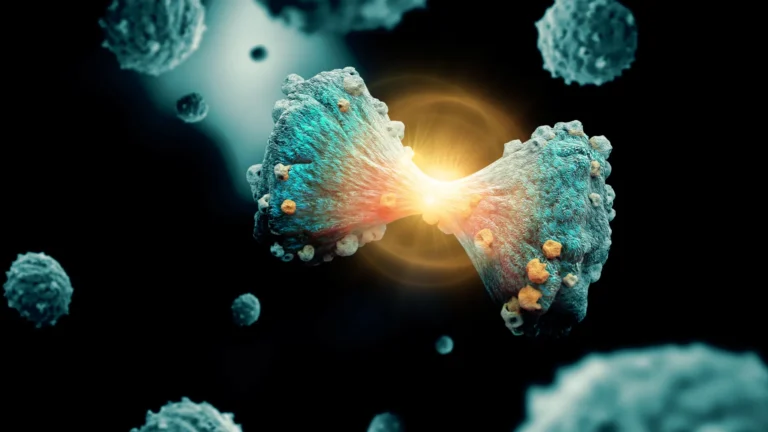
However, a transformative study led by researchers at Stanford Medicine may signal a paradigm shift. By reprograming natural killer (NK) cells into specialized "tissue-resident" assassins, scientists have developed a method to breach the defenses of solid tumors, potentially paving the way for a new generation of "off-the-shelf" cancer therapies.
The Challenge of the Solid Tumor Fortress
The difficulty in treating solid tumors lies in their biology. When an immune cell attempts to attack a tumor, it is often met with a sophisticated array of defense mechanisms. Some tumors secrete signals that actively weaken immune cells, while others use their physical structure to prevent immune cells from ever reaching the cancer site.
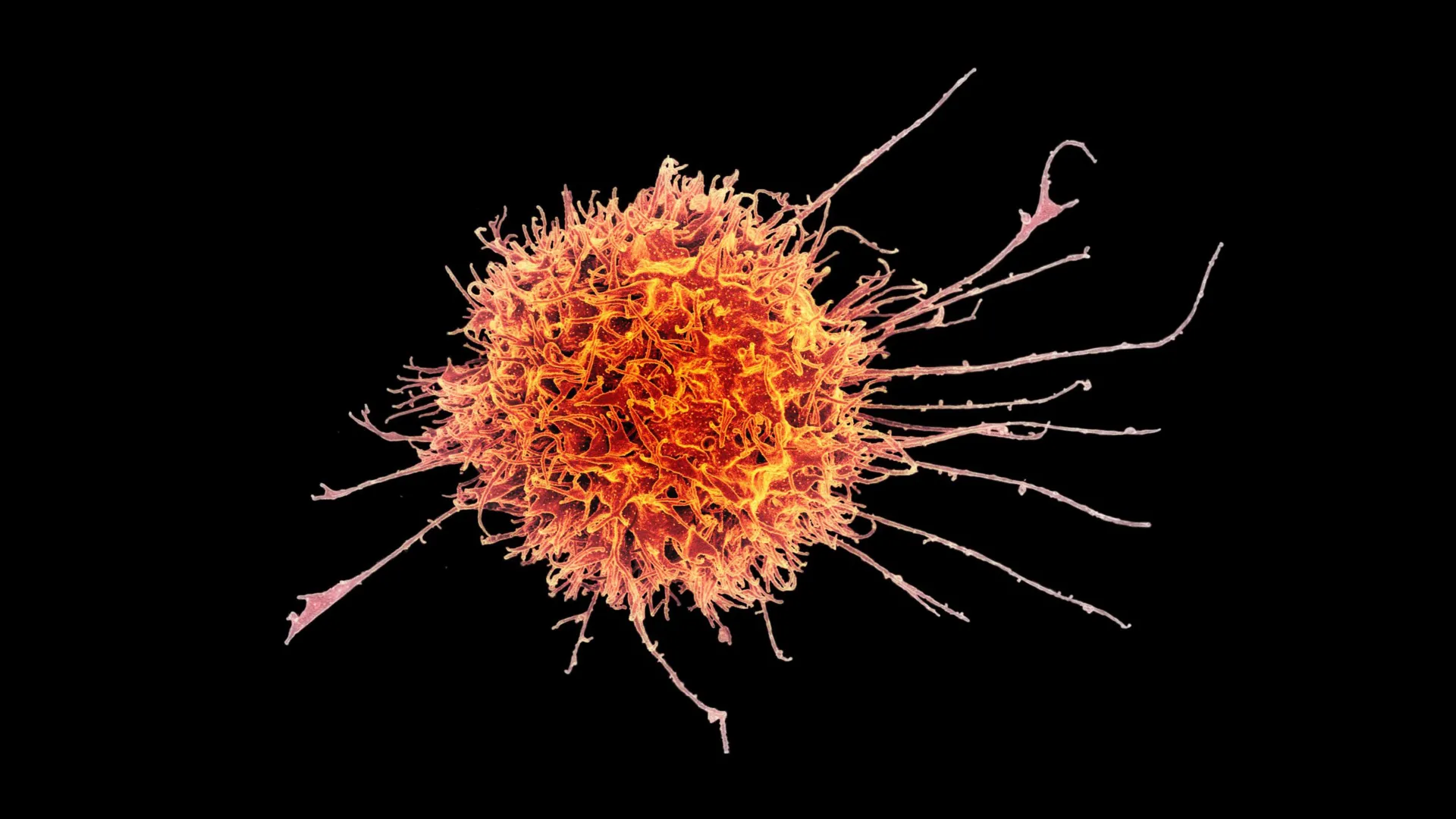
Natural killer cells, first discovered in the 1970s, have long been identified as the body’s "first responders." Unlike T cells or B cells, which require the body to learn and recognize a specific pathogen over time, NK cells are capable of immediate, rapid recognition and destruction of abnormal cells, including those infected by viruses or those turning cancerous. Despite their natural potency, conventional NK cells circulating in the bloodstream often struggle to sustain their lethal efficacy once they penetrate the hostile, nutrient-depleted, and immunosuppressive environment of a solid tumor.
Chronology of a Breakthrough: From Bloodstream to Tissue
The journey to this discovery began with a shift in focus. Historically, immunology research concentrated heavily on immune cells circulating in the bloodstream. "For a long time, the study of immunology and disease in humans was concentrated on the blood immune cells," explains John Sunwoo, MD, the Edward C. and Amy H. Sewall Professor in the School of Medicine at Stanford. "With the advancement of tools and bioinformatics, we are now starting to look more at what’s going on in tissue. For most immune cells, the tissue is where the action is."
The research team, which included co-lead authors Nina Horowitz, PhD, Imran Mohammad, PhD, and June Ho Shin, PhD, set out to determine how to convert conventional, circulating NK cells into "tissue-resident" cells—a subset of NK cells that naturally inhabit organs like the skin, lungs, and liver.
The researchers hypothesized that if they could guide circulating NK cells to adopt the functional characteristics of tissue-resident cells, these cells would be better equipped to survive and strike within a tumor. Their experimentation, published in Science Translational Medicine, revealed that the key lay in a "Goldilocks" signaling process involving transforming growth factor beta (TGF-β).
By exposing circulating NK cells to short-lived human epithelial tumor cells that provided a temporary, precise burst of TGF-β, the researchers induced a transformation. They found that direct physical contact with these epithelial cells was essential to the process, suggesting that additional activating signals were at play. The result was a population of cells that were not just tissue-resident, but highly cytotoxic—perfectly primed for the battlefield of a solid tumor.
Deciphering the Cellular Recipe: Supporting Data
The research team’s analysis revealed a clear distinction between "good" tissue-resident NK cells and their suppressed counterparts. While previous studies had produced conflicting results—some suggesting that tissue-resident NK cells were weak or even immunosuppressive (as seen in the uterine lining during pregnancy)—Sunwoo’s team identified the specific protein markers that differentiate the most lethal cells.
The most effective cancer-killing NK cells were characterized by the presence of surface proteins CD49a, CD103, and crucially, CD39. Furthermore, these cells were packed with the biological weaponry required for destruction: high concentrations of perforin—which punches holes in the membranes of target cells—and granzyme A, a toxic enzyme that induces cell death.
In mouse models, the efficacy of these modified cells was striking. When injected, the engineered NK cells successfully infiltrated tumor organoids and significantly slowed the growth of aggressive cancers, including melanoma and head and neck squamous cell carcinoma. When combined with cetuximab—a monoclonal antibody that flags cancer cells for destruction—the therapeutic effect was even more pronounced. Mice treated with the combination therapy appeared healthy at the 30-day mark, whereas untreated mice showed significant signs of illness and tumor progression.
Official Responses and Perspectives
Dr. Sunwoo, the senior author of the study, emphasized the reproducibility and impact of these findings. "We show that these tissue-resident natural killer cells infiltrate into the solid tumors much better than conventional natural killer cells. It was very reproducible, very striking and very clear," he noted.
A critical advantage of this therapy is its potential for scalability. Unlike CAR-T therapy, which requires extracting a patient’s own cells, modifying them in a lab, and re-infusing them—a process that is time-consuming and expensive—the NK cell approach holds the promise of an "off-the-shelf" solution.
"It would be almost an off-the-shelf drug," Sunwoo explained. "It could make cell therapy much more accessible to a wider variety of patients." Because NK cells do not typically trigger an immune rejection when transferred between individuals, they can be harvested from healthy donors, processed in large batches, and cryopreserved. According to the researchers, a single donor could provide enough biological material to generate approximately 20 treatment doses in just two weeks, effectively eliminating the delays inherent in personalized cell manufacturing.
Clinical Implications and the Road Ahead
The potential implications for patients with advanced solid tumors are profound. With the successful "proof of concept" established in animal models, the Stanford team is now pivoting toward human clinical application. They are currently preparing for a Phase I clinical trial aimed at patients with advanced squamous cell carcinoma, with hopes to begin recruitment by the end of this year, pending FDA approval.
To support this transition, Sunwoo has developed and filed for a patent on a specific method for producing and expanding these cytotoxic tissue-resident NK cells at scale. By moving the focus from the bloodstream to the tissue, the researchers are addressing the root cause of treatment failure in solid tumors: the inability of current therapies to maintain their "killer" phenotype once inside the tumor microenvironment.
While Sunwoo remains appropriately cautious, noting that mouse models are a preliminary step and results in humans may vary, the progress is undeniable. The ability to "train" an immune cell to settle into a tissue and remain vigilant is a significant leap forward. If the upcoming clinical trials prove successful, this technology could offer a scalable, accessible, and potent alternative for thousands of patients who currently have few options for treating advanced, solid-state cancers.
The work, supported by the National Institutes of Health, the Tai Tsun Wu Research Fund for Natural Killer Cell Immunotherapy, and the Stanford Bio-X Fellowship, underscores the importance of interdisciplinary collaboration. With contributors from Ohio State University and Washington University School of Medicine, this research represents a cohesive, multi-institutional effort to redefine the boundaries of modern oncology. As the trial date approaches, the medical community waits with anticipation to see if these engineered "resident assassins" can indeed turn the tide against solid tumors.