




By Ed Silverman | Sept. 25, 2026
In a significant maneuver to bolster global pandemic preparedness and strengthen the pharmaceutical safety net, the Medicines Patent Pool (MPP)—a United Nations-backed public health organization—has finalized sub-licensing agreements with 11 generic drug manufacturers to produce and distribute affordable versions of Roche’s influenza treatment, Xofluza (baloxavir marboxil).
This initiative represents a pivotal shift in how the pharmaceutical industry navigates the precarious balance between protecting intellectual property and addressing the urgent health inequities that persist in low- and middle-income countries (LMICs). By granting these manufacturers the right to produce generic versions for 129 countries, the deal aims to ensure that high-quality, cost-effective treatment for seasonal and potential pandemic influenza reaches the populations that need it most.
The Core Agreement: Breaking Down Barriers
The sub-licensing agreements, facilitated by the Geneva-based MPP, are not merely about the right to manufacture; they are comprehensive packages designed to accelerate market entry. Beyond the legal license to produce generic baloxavir marboxil, the 11 selected manufacturers will receive:
- Technical Knowledge Transfer: Access to proprietary technical data that is crucial for replicating the complex formulation of the drug.
- Bioequivalence Support: Access to reference products necessary for conducting the stringent clinical studies required to prove that generic versions perform identically to the brand-name drug.
- Regulatory Guidance: Collaborative support intended to streamline the arduous process of obtaining regulatory approval within the individual jurisdictions of the 129 designated countries.
The scope of this agreement is expansive, covering nearly every low- and middle-income nation. By decentralizing production, the MPP and Roche aim to mitigate supply chain vulnerabilities, ensuring that if a new influenza strain emerges, these regions will not be sidelined by the logistical bottlenecks that often plague global drug distribution.
Chronology: A Path Toward Equitable Access
The journey toward this partnership reflects a broader, multi-year evolution in how the global health community approaches viral threats.
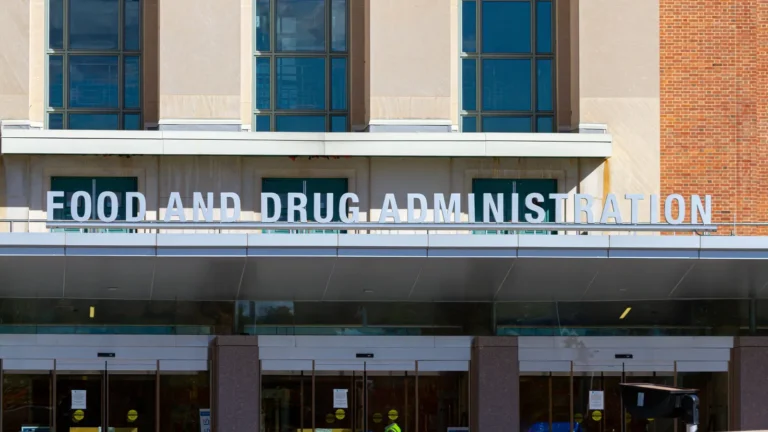
2018: The FDA approves Roche’s Xofluza, a first-in-class, single-dose oral medicine for the treatment of acute, uncomplicated influenza. Its rapid mechanism of action—targeting the polymerase acidic endonuclease protein—makes it a potent candidate for pandemic response.
2020–2022: The COVID-19 pandemic exposes deep fissures in the global supply chain, demonstrating that reliance on centralized manufacturing in wealthy nations often leaves the Global South without life-saving therapeutics during a crisis. International health organizations begin lobbying for voluntary licensing models to prevent a repeat of these disparities.

2024: Discussions between Roche and the Medicines Patent Pool intensify. Recognizing the public health utility of baloxavir marboxil, both parties acknowledge that a traditional market-based approach would fail to meet the needs of resource-constrained health systems.
September 25, 2026: The MPP officially announces the signing of the sub-licensing agreements with 11 global manufacturers. This announcement marks the conclusion of months of technical vetting and legal negotiations, positioning these companies to begin the scale-up phase immediately.
Supporting Data: The Burden of Influenza
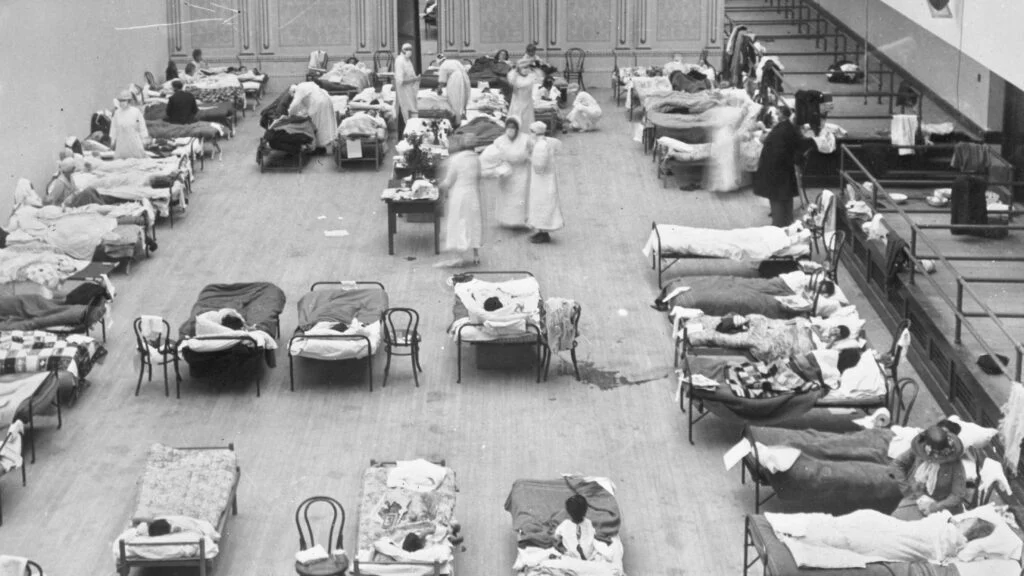
The necessity for this initiative is underscored by sobering public health data. According to the World Health Organization (WHO), influenza remains a constant, lethal threat, with an estimated 1 billion cases annually, 3 to 5 million of which are classified as severe, leading to up to 650,000 respiratory deaths.
In low-income settings, the impact is disproportionate. Where health infrastructure is fragile, the cost of specialized antivirals often precludes their use. By introducing competition via 11 distinct generic manufacturers, the MPP anticipates a significant reduction in the price per course of treatment. Historical data from similar MPP-brokered deals—such as those for HIV and Hepatitis C medications—suggests that introducing multiple generic competitors can drive prices down by as much as 80% to 90% compared to the branded innovator price, transforming a luxury medicine into a commodity-level essential.
Official Responses: Navigating the Industry-Public Divide
The reaction from the global health community has been largely positive, though stakeholders remain cautious about the execution phase.
The Medicines Patent Pool Perspective:
MPP leadership has emphasized that this deal is a blueprint for the future. "Our goal is to ensure that when the next influenza pandemic hits, we aren’t scrambling for supply," a spokesperson noted. "By partnering with manufacturers across multiple continents, we are creating a distributed manufacturing network that is inherently more resilient than a single-source model."
The Industry Stance:
Roche, while maintaining its commitment to intellectual property, has positioned this deal as part of its broader Corporate Social Responsibility (CSR) strategy. Executives argue that by enabling generic access in LMICs, the company can focus its own resources on high-innovation markets while ensuring that its science contributes to global health security in lower-income regions.
Advocacy Groups:
Public health advocates, such as Médecins Sans Frontières (MSF), have welcomed the news but cautioned that the "fine print" matters. "We need to ensure that the 129 countries identified are not just a list on paper, but that the technical transfer actually occurs without obstruction," said a policy analyst familiar with the negotiations. Advocates are particularly keen to monitor the speed at which these 11 manufacturers can clear local regulatory hurdles.

Implications: A New Era for Pandemic Preparedness
The ramifications of this agreement extend far beyond the treatment of the seasonal flu.
1. The Decentralization of Production
The reliance on 11 manufacturers—likely spread across regions such as India, South Africa, and Southeast Asia—serves as a hedge against geopolitical instability. If one region faces a lockdown or a localized infrastructure failure, the other ten can maintain the flow of medication.
2. Setting a Precedent for Future Deals
This agreement sets a high bar for other pharmaceutical innovators. It effectively creates a "public health tax" on innovation, where companies are encouraged to license their patents in exchange for favorable PR, tax incentives, or simply the moral imperative of pandemic preparedness. It suggests that the future of drug discovery will be bifurcated: high-margin, proprietary sales in developed nations, and licensed, volume-based generic production in the developing world.
3. Regulatory Harmonization
A secondary, yet crucial, impact of this deal is the pressure it places on local regulatory bodies in the 129 designated countries. To participate effectively, these nations must work closely with the MPP to standardize their review processes. This could lead to a long-term strengthening of regulatory agencies in regions that have historically struggled with slow, bureaucratic drug approval processes.
4. The Challenge of "Last-Mile" Delivery
While the licensing deal solves the manufacturing hurdle, the "last-mile" challenge remains. Even a low-cost drug is useless if the local health system cannot transport it to rural clinics. The success of this initiative will ultimately be judged not by the number of pills manufactured, but by the number of patients successfully treated in remote, impoverished, or conflict-ridden areas.
Conclusion: The Road Ahead
As the 11 manufacturers move into the development phase, the global health community will be watching closely. The success of the Xofluza project will likely determine whether the voluntary licensing model becomes the standard for all future pandemic-grade therapeutics.
The deal is a testament to the fact that when the interests of global health, corporate sustainability, and international governance align, the barriers to essential medicine can be lowered. However, the true test lies in the next 18 to 24 months. If these companies can move from paper agreements to pharmacy shelves, this initiative could serve as the most significant advancement in influenza access in a decade, potentially saving thousands of lives and providing a robust, scalable template for the next inevitable pandemic.
As the world continues to grapple with the intersection of intellectual property and the right to health, this collaboration between the MPP and Roche stands as a quiet but powerful milestone—a signal that the old ways of doing business are rapidly changing in the face of a more interconnected, and more vulnerable, global population.