









A groundbreaking study conducted by researchers at King’s College London has unveiled a potential new frontier in the treatment of periodontitis: short-term, calorie-restricted fasting. While professional dental cleanings and meticulous oral hygiene remain the gold standard for managing gum disease, this new research suggests that systemic dietary interventions could play a pivotal, supporting role in restoring oral health. Published in the Journal of Clinical Periodontology (JCP), the findings provide compelling evidence that internal physiological changes induced by fasting can dampen the inflammatory processes that drive gum degradation.
The Rising Burden of Periodontitis
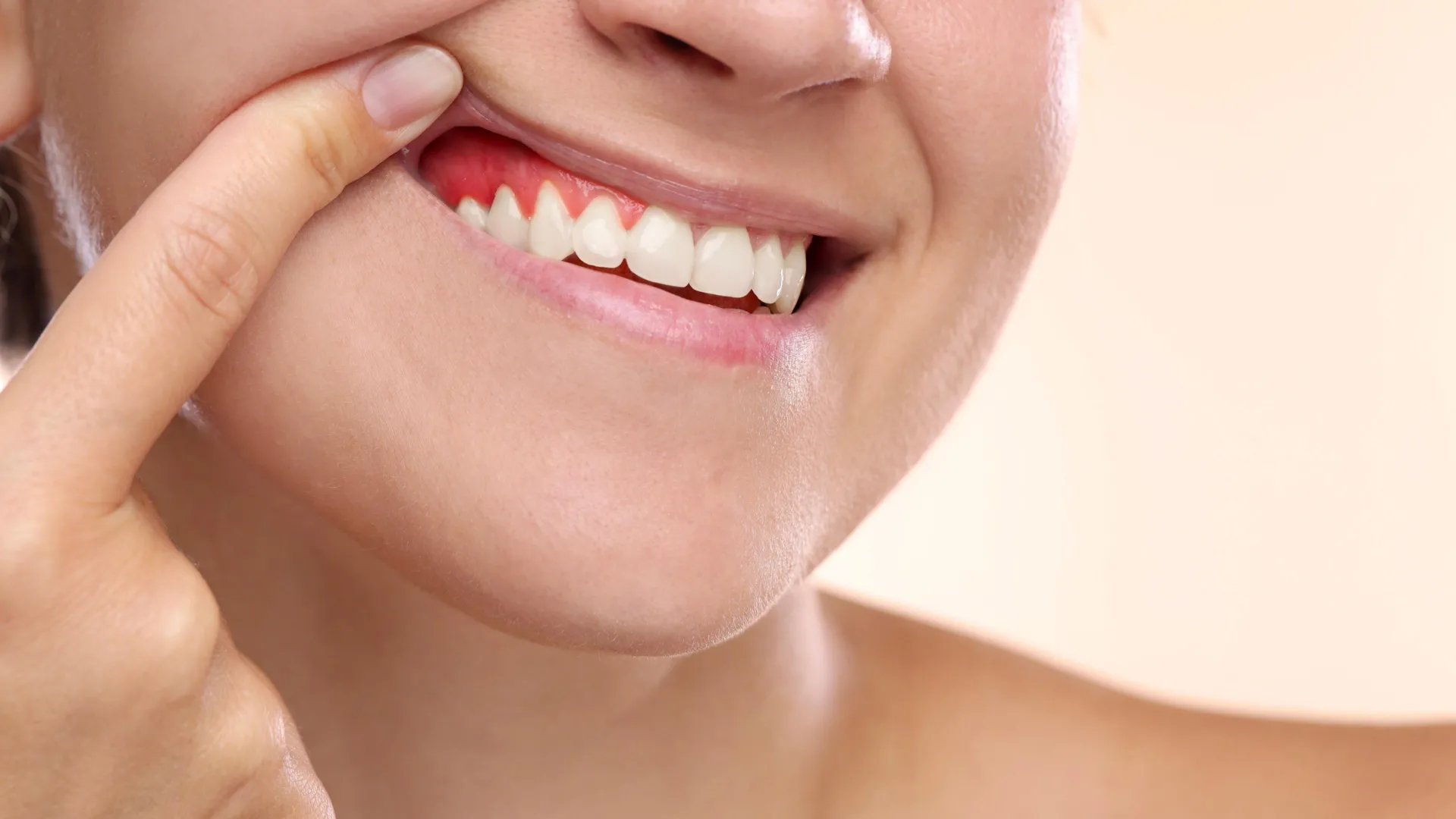
Periodontitis—a severe, chronic inflammatory disease of the gums—is far more than a localized oral health issue. Affecting millions of people globally, it is characterized by the destruction of the tissues that support the teeth, eventually leading to tooth loss if left untreated.
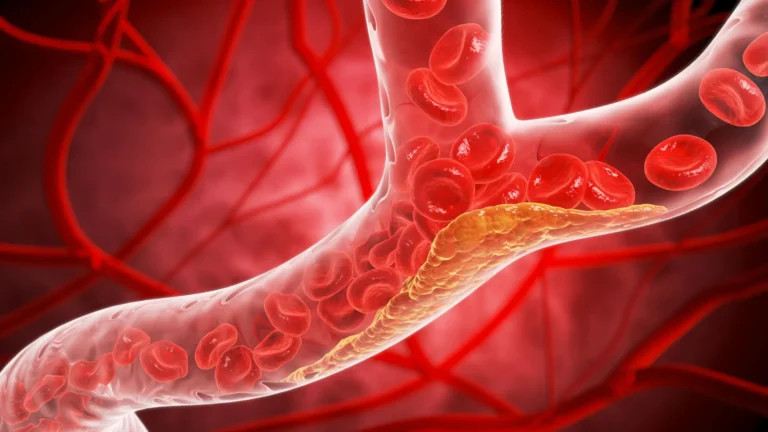
However, the medical community has increasingly recognized periodontitis as a significant contributor to systemic health crises. Chronic gum inflammation has been clinically linked to an elevated risk of cardiovascular disease, diabetes, and other inflammatory conditions. The current standard of care—deep mechanical cleaning (scaling and root planing) to remove bacterial plaque—addresses the symptoms and the primary bacterial source. Yet, for many patients, inflammation persists, suggesting that the underlying immune response requires more than just local intervention. Researchers are now pivoting toward the "mouth-body connection," investigating whether dietary modifications can alter the body’s systemic inflammatory state to foster a more favorable environment for healing.
A Six-Month Clinical Investigation
To test the efficacy of fasting on periodontal health, researchers recruited 28 participants from clinical centers across Spain. The study design was rigorous, utilizing a controlled trial format to observe the biological impacts of a fasting-mimicking diet over half a year.
The Chronology of the Intervention
Participants were bifurcated into two cohorts: a control group that maintained their regular dietary habits and an experimental group that underwent a structured, short-term calorie-restricted regimen. The fasting protocol was intermittent and specific:
- The Fasting Phase: For the first two days of the cycle, participants consumed 1,100 calories daily. This was followed by a more restrictive phase of 750 calories per day for the subsequent three days.
- The Reintroduction Phase: On the sixth day, caloric intake was carefully increased through the consumption of soft, easily digestible foods to prevent digestive distress.
- The Return to Baseline: By the seventh day, participants resumed their normal eating habits.
This cycle was repeated three times over the six-month study period. Notably, participant feedback indicated that the protocol was remarkably sustainable and "relatively easy to follow," challenging the perception that fasting-mimicking diets are prohibitively difficult for the average patient.
Unveiling the Data: Markers of Improvement
After six months, the research team analyzed samples from both blood and gingival crevicular fluid—a clear, protein-rich liquid that gathers in the sulcus between the tooth and the gum. This fluid serves as a "window" into the health of the periodontal tissue, offering a localized view of the immune response.
The results were statistically significant. Compared to the control group, those who adhered to the fasting regimen exhibited a marked reduction in systemic and local inflammation. Specifically, the fasting group showed lower levels of C-reactive protein (CRP), a well-established biomarker used by clinicians to measure systemic inflammation. Perhaps most importantly, the study identified a decrease in molecules specifically associated with the inflammatory pathways in gum tissue. This suggests that the metabolic shift caused by fasting does not merely improve the body’s general state; it actively mitigates the specific inflammatory triggers that drive gum disease.
The Science of Fasting: Why Does It Work?
The biological mechanisms behind these results are complex, but researchers have identified three primary avenues through which fasting may facilitate oral recovery.
1. Mitigation of Oxidative Stress
"There may be multiple reasons why fasting is beneficial to gum disease patients," explains Professor Luigi Nibali, the senior author of the study. "Fasting reduces oxidative stress in the body, a common cause of inflammation, which can damage cells and DNA." Oxidative stress occurs when there is an imbalance between free radicals and antioxidants in the body. By restricting caloric intake, the body enters a state of metabolic repair, reducing the production of reactive oxygen species that fuel chronic tissue damage.
2. The Impact of Refined Carbohydrates
The modern Western diet is heavily laden with high-caloric foods and refined carbohydrates—such as cakes, biscuits, and processed snacks—which are known to spike blood sugar and trigger inflammatory responses. By forcing a temporary break from these dietary triggers, the fasting regimen likely reduces the systemic "noise" that exacerbates existing periodontal inflammation.
3. Microbiome Modulation
A burgeoning area of interest is the potential for fasting to reshape the oral and gut microbiome. The "community" of bacteria inhabiting the mouth and digestive tract plays a critical role in immune function. Researchers hypothesize that the metabolic stress of fasting may discourage the growth of pathogenic, pro-inflammatory bacteria while fostering a more balanced, commensal microbial environment. However, as Prof. Nibali cautions, this remains a hypothesis that requires further large-scale research to fully elucidate.
Official Responses and Expert Perspectives
The lead author of the study, Dr. Giuseppe Mainas of King’s College London, expressed cautious optimism regarding the integration of these findings into clinical practice. "Our study suggests lifestyle modifications could be important alongside proper tooth brushing for patients," Dr. Mainas stated. He emphasized that while the results are promising, the application of fasting must be nuanced and patient-specific.
The research team is acutely aware of the potential risks of calorie restriction for vulnerable populations. "There may be patients where restricting foods can be dangerous, such as those with diabetes," Dr. Mainas noted. "The advice will need to be targeted to specific patient groups." As a result, the current phase of the research involves investigating alternative ways to achieve the same anti-inflammatory benefits in high-risk patients who are unable to safely undergo fasting.
Clinical Implications and Future Directions
The publication of this study marks a significant step forward in personalized dentistry. If these findings hold up in larger, more diverse clinical trials, the future of periodontal care could shift from a purely mechanical approach to a dual-pronged strategy: professional clinical cleaning paired with targeted, medically supervised dietary protocols.
Expanding the Scope
This research builds upon a long-standing tradition of inquiry at King’s College London into the symbiotic relationship between oral and systemic health. Last year, the institution published findings indicating that the Mediterranean diet—rich in healthy fats, vegetables, and lean proteins—can significantly reduce the severity of gum disease. Furthermore, their research has consistently demonstrated that treating periodontal disease can lower the risk of systemic conditions like heart disease and diabetes, highlighting the mouth as a primary indicator of overall wellness.
The next steps for the team involve:
- Large-Scale Validation: Moving beyond the initial 28-patient cohort to verify the findings across a broader demographic.
- Safety Protocols: Developing clear guidelines on which patients are candidates for these diets and which should be excluded due to underlying health conditions.
- Alternative Interventions: Exploring "fasting-mimicking" supplements or specific food combinations that might provide the same inflammatory reduction without the need for total calorie restriction.
Conclusion: A New Tool in the Dental Arsenal
The study, funded by the Medical Research Council-Impact Accelerator Account (MRC-IAA), offers a hopeful glimpse into a future where dental treatment is more holistic. While a toothbrush and floss remain indispensable, the research suggests that what we eat—and how often we allow our bodies to rest from the process of digestion—could be the missing link in managing chronic gum disease.
As dentistry continues to evolve, the integration of nutritional science and immunology into the dental chair may empower patients to take a more proactive role in their own recovery. For now, the takeaway is clear: the path to a healthier mouth may indeed start with the plate, proving once again that the health of the gums is intrinsically linked to the health of the entire body.