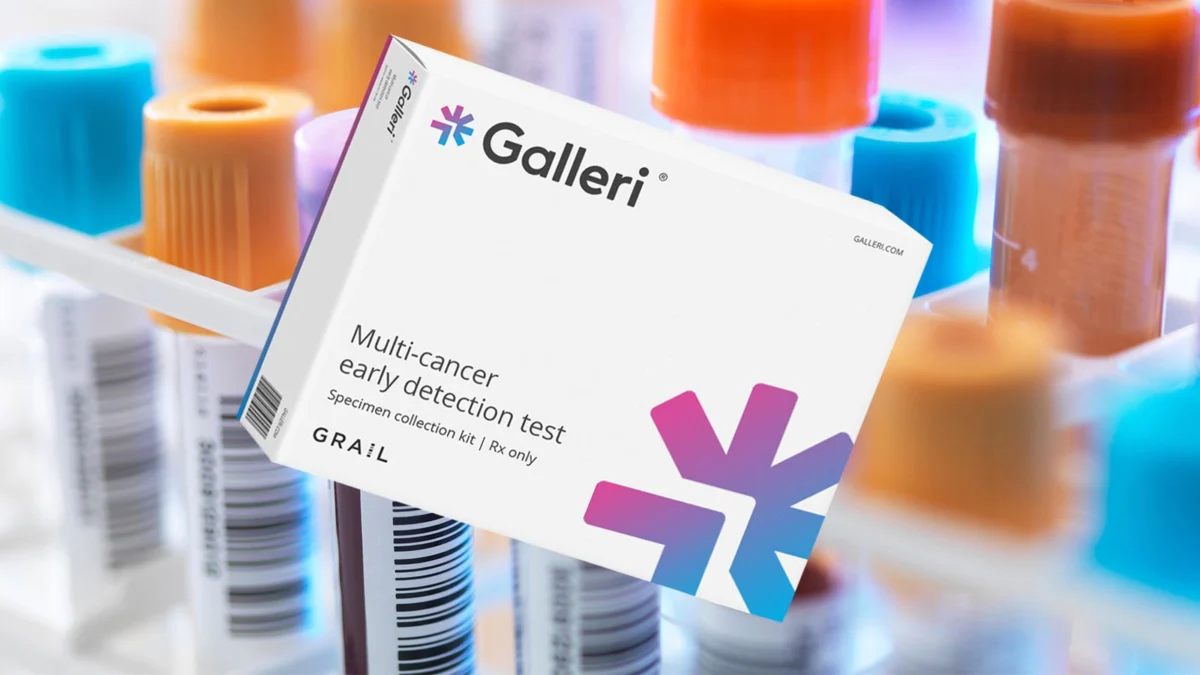
September 21, 2026 — As the medical community turns its gaze toward the upcoming September 23 meeting of the Molecular and Clinical Genetics Panel of the FDA’s Medical Devices Advisory Committee, a recently released briefing document suggests that federal regulators remain noncommittal regarding the landmark Galleri multicancer early detection (MCED) blood test. Developed by Grail, the test represents a paradigm shift in oncology screening, yet it arrives at a complex intersection of technological promise and clinical uncertainty.
The FDA’s briefing, published ahead of the committee’s convening, avoided taking a definitive stance on the safety, accuracy, or clinical benefit of the test. Instead, it provided a granular breakdown of performance metrics while highlighting the significant, unmet medical need for screening tools that can identify cancers currently lacking guideline-recommended protocols.
The Promise and Peril of Early Detection
At the heart of the debate is the Galleri test’s ambitious design: a prescription, qualitative in vitro diagnostic tool intended for adults aged 50 and older. By analyzing cell-free DNA in a single blood draw, the test aims to detect the biological "signals" of multiple cancer types.
The FDA briefing document underscored the gravity of the status quo in U.S. oncology. "Most cancer deaths expected to occur in the U.S. result from cancer types for which there are no guideline-recommended screening programs," agency staff noted. They acknowledged that blood-based MCED tests like Galleri offer the potential to address this void, detecting malignancies that would otherwise remain occult until they reached symptomatic, often incurable, stages.
However, the agency was careful to temper this optimism with a sobering assessment of the risks. The introduction of any population-wide screening tool inevitably brings the specter of false positives—which can lead to unnecessary, anxiety-inducing, and invasive diagnostic procedures—and false negatives, which may provide patients with a false sense of security. The balancing of these diagnostic trade-offs will be the primary objective of the advisory committee’s deliberation.
Chronology of a Clinical Journey
The road to this week’s advisory meeting has been paved by years of rigorous, albeit complicated, clinical research. The two primary pillars of evidence being reviewed are the PATHFINDER 2 study and the massive, randomized NHS-Galleri trial.
PATHFINDER 2
Designed to evaluate the safety and clinical utility of Galleri, PATHFINDER 2 focused on the downstream diagnostic testing triggered by an MCED-positive result. Beyond safety, the study sought to determine how the test performs in individuals eligible for routine cancer screening, serving as a real-world proxy for how the test might function in a clinical practice setting.
The NHS-Galleri Trial
Perhaps the most ambitious study to date, the NHS-Galleri trial was a prospective, randomized controlled study involving participants aged 50–77 in the United Kingdom. These individuals, with no clinical suspicion of cancer, were screened using the Galleri test in addition to the standard of care.
The trial results, presented at the American Society of Clinical Oncology (ASCO) annual meeting in May 2026, generated significant headlines. While the study successfully demonstrated the test’s ability to detect more stage I and II cancers than standard care alone, it failed to meet its primary endpoint: a statistically significant reduction in the number of cancers detected at stage III or IV across a dozen tumor types. This discrepancy between "detection of early-stage disease" and "reduction of late-stage diagnosis" will likely be a focal point of the committee’s discussions this Wednesday.
Supporting Data: By the Numbers
The FDA’s analysis of the performance data from these two trials reveals a consistent, if nuanced, profile for the Galleri test.
Performance Metrics in PATHFINDER 2
- 12-Month Episode Sensitivity: 35.0%
- Specificity: 99.85%
- Positive Predictive Value (PPV): 77.0%
- Negative Predictive Value (NPV): 99.07%
- Cancer Signal Origin (CSO) Prediction Accuracy: 94.3%
Performance Metrics in NHS-Galleri
- 12-Month Episode Sensitivity: 31.6%
- Specificity: 99.74%
- Positive Predictive Value (PPV): 66.2%
- Negative Predictive Value (NPV): 98.89%
- Cancer Signal Origin (CSO) Predictive Accuracy: 91.9%
These figures suggest that while the test is highly specific—meaning it rarely flags a healthy person as having cancer—its sensitivity remains moderate. The ability of the test to correctly identify the "cancer signal origin" (CSO), or where in the body the cancer is located, remains high (over 90%), which is critical for clinicians who need to know where to begin their diagnostic investigation following a positive result.
The Advisory Committee’s Mandate
On Wednesday, the Molecular and Clinical Genetics panel will be tasked with determining whether the evidence supports the safety and efficacy of the Galleri test. The committee’s vote is non-binding, but the FDA typically aligns its final regulatory decisions with the recommendations provided by its independent advisors.
Beyond a simple "yes" or "no" on approval, the FDA has requested that the panel provide guidance on:
- Labeling: What specific warnings must be included to ensure physicians and patients understand the limitations of the test?
- Risk Mitigation: What strategies should be in place to manage the clinical pathway for patients who receive a "cancer signal detected" result, particularly when follow-up imaging or biopsies are required?
- Communication: How can the performance of the test be communicated to the public without overstating its capabilities or ignoring its inherent limitations?
Implications for the Future of Cancer Screening
The outcome of this week’s meeting will have profound implications for the future of oncology and the nascent field of liquid biopsy.
If the committee provides a positive recommendation, it could pave the way for Galleri to become the first test of its kind to be cleared for broad clinical use in the United States. This would signify a major win for Grail and the proponents of early detection technology, potentially transforming cancer from a disease often found at late stages into one that is managed through routine, proactive monitoring.
Conversely, a cautious or negative recommendation would underscore the scientific community’s insistence on evidence-based medicine. It would signal that the transition from a "promising technology" to a "standard of care" requires more than just high-tech performance—it requires unequivocal proof that the intervention saves lives without inflicting undue harm through over-diagnosis or psychological distress.
As the industry watches, the FDA’s neutrality in the briefing document serves as a reminder that the agency is waiting for the committee’s collective wisdom to navigate the fine line between technological innovation and the stringent safety standards required for population-wide health interventions. Whatever the decision on Wednesday, it will undoubtedly set the regulatory tone for the next generation of multicancer screening tools currently moving through the development pipeline.