





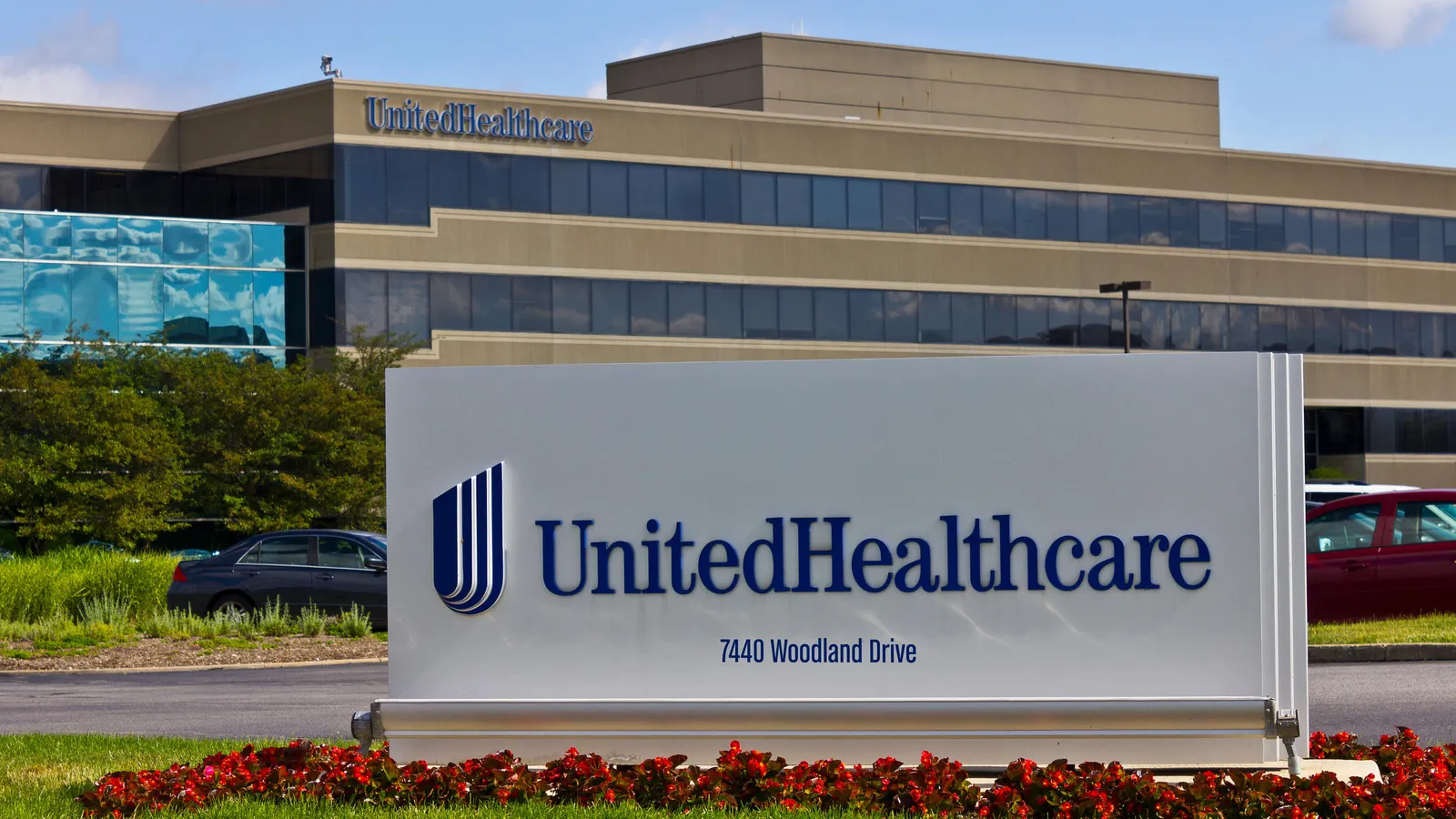
The landscape of American healthcare is currently defined by the massive, multi-billion-dollar Medicare Advantage (MA) program, a privatized alternative to traditional Medicare that serves nearly half of all eligible seniors. However, a series of damning audits released this week by the Department of Health and Human Services (HHS) Office of Inspector General (OIG) has cast a long shadow over the industry. The reports allege that two of the nation’s largest insurers—UnitedHealthcare and Humana—have systematically exaggerated the health needs of their enrollees to secure hundreds of millions of dollars in improper federal payments.
This revelation highlights a structural tension at the heart of the Medicare Advantage program: the delicate balance between incentivizing insurers to cover high-risk patients and preventing the financial exploitation of the federal budget.
The Mechanism of Risk Adjustment and the "Upcoding" Incentive
To understand the scale of the controversy, one must first understand how Medicare Advantage functions. Unlike traditional Medicare, which pays for services as they are rendered, the federal government pays private insurers a set "per member, per month" (PMPM) fee to manage the care of Medicare beneficiaries.
Crucially, these payments are not flat rates. They are adjusted based on a "risk score," a metric derived from the health status of the individual enrollee. The logic is sound in theory: insurers should receive higher payments for sicker patients who require intensive, costly care, and lower payments for healthier patients. This system was designed to prevent "cherry-picking," where insurers might otherwise avoid enrolling patients with chronic or expensive conditions.
However, this risk-adjustment model creates a lucrative, perverse incentive known as "upcoding." By maximizing the severity of diagnosis codes submitted to the Centers for Medicare & Medicaid Services (CMS), insurers can artificially inflate their members’ risk scores, triggering significantly higher government reimbursements.
Audit Findings: The Scope of Improper Billing
The latest HHS OIG audits focused on 11 categories of high-risk diagnosis codes during the 2020 and 2021 payment years. These specific codes—covering conditions like acute stroke, heart attack, embolism, and sepsis—are prime targets for oversight because they carry substantial weight in risk-adjustment calculations.
HumanaChoice Under Fire
The audit of HumanaChoice, a major contract under the Humana umbrella, revealed a staggering discrepancy between reported diagnoses and actual medical records. Out of a sample of 220 "enrollee-years," auditors found that 178 were not supported by any documentation in the patients’ medical records. This resulted in an immediate identified overpayment of nearly $670,000. When extrapolated to the entire contract, the OIG estimates that HumanaChoice may have received as much as $130.9 million in improper reimbursements.
UnitedHealthcare of Wisconsin’s Discrepancies
UnitedHealthcare, the nation’s largest insurer, faced similar scrutiny regarding its Wisconsin-based plans. Auditors reviewed 250 enrollee-years and found that 183 lacked sufficient medical evidence to justify the high-risk diagnoses submitted. The estimated financial impact for the 2020 and 2021 period alone reached approximately $46.9 million in overpayments.
The types of coding errors identified by the OIG were generally consistent across both insurers. In many instances, the plans submitted codes for conditions that patients had recovered from years prior, or they exaggerated the severity of a chronic condition to justify a higher-paying billing code.
A Chronology of Increasing Scrutiny
The tension between federal regulators and private MA insurers is not a recent phenomenon, but it has reached a fever pitch in the last three years.
- Pre-2020: Growing anecdotal evidence and academic research began to suggest that MA plans were significantly more profitable than traditional Medicare, largely due to "coding intensity."
- 2021–2022: The OIG began a targeted series of audits focusing on specific, high-risk diagnosis codes across the industry, moving away from broad, high-level reviews.
- 2023–2024: Senate investigations, led by high-ranking members like Senator Chuck Grassley, turned the spotlight on UnitedHealthcare. Reports revealed that the company utilized sophisticated, data-driven "armies of coders" and incentives for external providers to aggressively capture every possible diagnosis code.
- Spring 2025 (Projected Timeline): Following a trend of smaller audits, the OIG published reports on Blue Cross and Blue Shield of Alabama, Gateway Health Plan, and Priority Health, finding millions in improper payments, setting the stage for the massive UnitedHealthcare and Humana audits released this week.
- April 2026: In a significant policy shift, CMS finalized new regulations aimed at prohibiting MA plans from receiving risk-adjustment payments for diagnoses not tied to a verified medical encounter, representing the first major regulatory "crackdown" on the practice.
Official Responses and the Methodology Debate
Both Humana and UnitedHealthcare have issued firm rebuttals, framing the OIG’s findings not as evidence of fraud, but as a byproduct of a flawed and adversarial audit methodology.
A spokesperson for Humana stated: "Humana takes its compliance responsibilities seriously… We strongly disagreed with the OIG’s methodology and findings. As the OIG acknowledges, its findings and recommendations do not represent final determinations." The insurer has explicitly stated it has no current obligation—and no intention—to return the funds or perform the additional, company-wide reviews requested by the OIG.
UnitedHealthcare echoed these sentiments, suggesting that the government’s approach to validating data is "flawed" and outdated. "The flawed methodology in this report from the Office of the Inspector General is further evidence that modernization is needed," a company representative said, emphasizing a desire for "program modernization" over retrospective punishment.
The insurers argue that the OIG audits prioritize administrative perfection over the clinical reality of patient care, claiming that the "snapshot" approach of the audits ignores the complexity of modern electronic health records.
Implications: The Future of Medicare Advantage
The implications of these audits extend far beyond the immediate financial recoveries. The findings have ignited a fierce debate in Washington D.C. regarding the long-term viability of the Medicare Advantage payment model.
1. Increased Regulatory Pressure
The Biden-Harris administration and CMS are under immense pressure to recoup taxpayer dollars. The OIG’s success in identifying these overpayments provides the political ammunition necessary for CMS to tighten coding requirements further. We can expect more "pre-payment" audits, where claims are scrutinized before the money is even transferred to the insurer.
2. Market Consolidation and Trust
While UnitedHealthcare and Humana remain dominant, the constant drumbeat of investigations into their billing practices is damaging public trust. This creates an opening for regulators to demand more transparency regarding how these companies manage their "coding engines."
3. The Legislative Outlook
Congress is increasingly viewing Medicare Advantage as a fiscal liability. If the industry continues to push back against OIG recommendations, it is likely that lawmakers will seek to legislate tighter risk-adjustment corridors, potentially reducing the overall profitability of the MA program for private insurers.
4. Patient Care Impacts
Perhaps most concerning to the seniors enrolled in these plans is the potential for a "chilling effect." If insurers fear that every high-risk code will trigger a federal investigation, they may become more conservative in how they document patient health. This could lead to a scenario where the pendulum swings too far, resulting in under-coding, where the sickest patients are not appropriately categorized, potentially leading to lower quality care and reduced supplemental benefits.
Conclusion
The standoff between the HHS OIG and the nation’s largest Medicare Advantage insurers is a defining struggle for the future of the American healthcare safety net. While insurers argue that their aggressive coding is a necessary component of managing high-risk populations, federal auditors see a systemic exploitation of taxpayer funds. As the audits move from recommendations to potential enforcement actions, the healthcare industry remains on high alert, waiting to see if this represents a temporary regulatory hurdle or the beginning of a fundamental restructuring of how Medicare pays for care.