




The biotechnology landscape is currently navigating a period of intense transformation. From the corridors of federal regulatory agencies to the high-tech laboratories pushing the boundaries of neuroscience, the industry is grappling with structural bottlenecks and radical scientific breakthroughs. As the FDA attempts to scale its workforce to meet the demands of an unprecedented wave of drug innovation, the reality of bureaucratic inertia has begun to manifest. Simultaneously, the emergence of "humanized" mouse models and novel psychedelic-inspired therapies for neurodegenerative conditions signals a shift toward a future where the line between biology and technology is increasingly porous.
Main Facts: The Triple Threat to Biotech Progress
The current state of the biotech sector is defined by three interconnected developments that threaten to reshape the industry’s trajectory over the next decade.
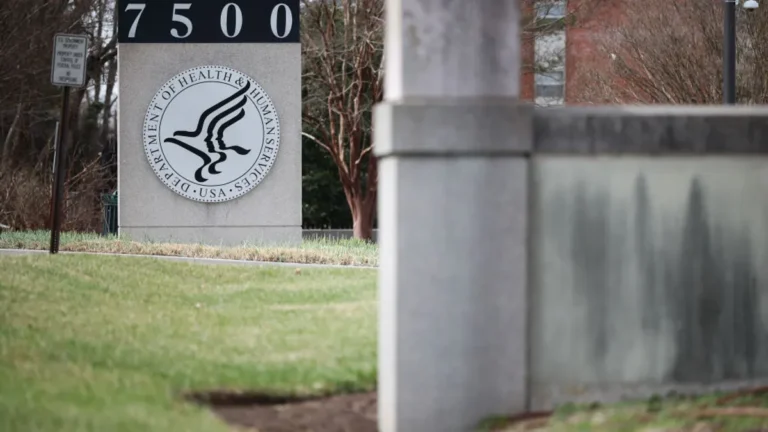
First, the U.S. Food and Drug Administration (FDA) is facing a significant operational hurdle. Despite an aggressive, multi-year mandate to expand its staff to keep pace with the influx of complex drug applications—including gene therapies and personalized medicine—the agency is experiencing a "hiring spree" bottleneck. This staffing stagnation is not merely an internal HR issue; it creates a cascading effect that delays the approval of life-saving treatments and frustrates developers who rely on predictable regulatory timelines.
Second, the frontier of neuroscience is being pushed into uncharted territory. Researchers are successfully engineering mice with "half-human" brains, a development that provides an unprecedented platform for studying cognitive disorders but simultaneously ignites a firestorm of ethical inquiry. These models allow scientists to observe the development of human neurons in a living system, offering a window into diseases like Alzheimer’s and schizophrenia that was previously impossible to view.

Third, the pharmaceutical sector is pivoting toward unconventional chemical pathways. A burgeoning startup ecosystem is now pivoting away from traditional small-molecule drugs to explore psychedelic-inspired compounds for the treatment of Parkinson’s disease. By targeting receptors that were previously considered "off-limits," these innovators aim to provide symptomatic relief where legacy treatments have failed.
Chronology of Regulatory and Scientific Shifts
The tension between regulatory capacity and scientific innovation has been building for several years, punctuated by key moments:
- 2020–2021: The post-pandemic biotech boom saw an unprecedented influx of venture capital, leading to a record-breaking number of Investigational New Drug (IND) applications. The FDA, already stretched thin, launched a massive recruitment drive to fill specialized roles in biostatistics, clinical pharmacology, and regulatory affairs.
- 2022: Initial reports began to emerge suggesting that the FDA’s attrition rate was outpacing its hiring velocity. Mid-level reviewers, burdened by high caseloads and the complexity of modern therapeutic modalities, began leaving for the private sector, where compensation packages far exceeded government salary caps.
- Early 2023: Laboratory breakthroughs in organoid integration reached a tipping point. Researchers successfully implanted human-derived brain organoids into mouse models, showing that these cells could form functional connections with the rodent’s own neural architecture.
- Late 2023–Present: The conversation around "psychedelic medicine" shifted from recreational stigmatization to rigorous clinical investigation. Several startups began filing for patent protections on non-hallucinogenic analogues of classic psychedelics specifically tailored for motor-control disorders.
Supporting Data: The Cost of Stagnation and the Power of Models
The impact of the FDA’s hiring slowdown is best measured in "Review Time Inflation." According to industry tracking data, the average time for a standard new drug application to move from submission to final decision has drifted upward by approximately 15% since 2021. For biotech startups operating on a limited "runway" of venture capital, a three-month delay in regulatory feedback can be the difference between a successful commercial launch and insolvency.
In the realm of research, the data supporting the use of humanized mouse models is compelling. Conventional models often fail to replicate the complexity of human neural pathology, particularly regarding the inflammatory response. Human-mouse chimeras have demonstrated an 80% higher fidelity in predicting the toxicological response to neuro-therapeutics, significantly reducing the "failure-to-translate" rate that historically plagues Phase I clinical trials.

The market for these models is expanding rapidly. Valuations for bio-tech platforms specializing in chimeric rodent modeling have surged, with some companies reporting a 40% year-over-year increase in demand from big pharmaceutical partners eager to de-risk their neurology portfolios.
Official Responses and Industry Sentiment
The FDA has maintained a stance of cautious optimism regarding its internal staffing challenges. In recent public briefings, agency leadership has emphasized the implementation of "flexible hiring authorities," such as the 21st Century Cures Act, which allows for competitive pay scales for specialized scientific roles. However, internal morale remains a point of concern. A spokesperson for a major regulatory consultancy noted, "The FDA is trying to build a plane while flying it. They are competing for the same elite talent pool as Big Pharma, but they cannot match the equity incentives or the lifestyle benefits of the private sector."
On the scientific front, the ethical implications of human-brained mice have prompted an immediate response from bioethics committees. The National Institutes of Health (NIH) has issued updated guidelines regarding the "humanization" of animal research, requiring stricter oversight of experiments where human cells might impact the cognition or behavioral complexity of the host animal.
"We are entering an era of biological architecture," says Dr. Elena Rossi, a lead researcher in neural systems. "We are no longer just observing nature; we are scaffolding it. The regulatory response must be as agile as the science itself, or we risk a complete disconnect between what is possible and what is permitted."

Implications: The Future of Biotech
The confluence of these events carries profound implications for the future of medicine:
- The Regulatory "Valley of Death": If the FDA cannot resolve its hiring bottleneck, the industry may see a "bifurcation of innovation." Larger companies with deep pockets will navigate the regulatory maze, while smaller, high-innovation startups may be forced to seek regulatory approval in more streamlined jurisdictions, such as the EU or parts of Asia, potentially causing the U.S. to lose its competitive edge in drug discovery.
- Redefining Neuro-Therapeutics: The move toward psychedelic-inspired treatments for Parkinson’s and other neurodegenerative conditions represents a fundamental shift in how we categorize "drugs." We are moving away from purely chemical interventions toward systems-biology approaches that aim to rewire, rather than just suppress, neural pathways.
- Ethical Oversight 2.0: The creation of human-mouse chimeras will likely necessitate a new branch of jurisprudence. As these models become more sophisticated, the scientific community will need to establish clear definitions of "sentience" and "cognitive capacity" in chimeric organisms to ensure that the march of progress does not outpace our moral framework.
As we look toward the remainder of the year, the industry is at a crossroads. The promise of the next generation of medicines is tangible, yet the infrastructure required to deliver them is showing signs of severe wear. Whether through government intervention, public-private partnerships, or a pivot in the way we conduct and regulate research, the biotech sector must reconcile its scientific ambition with the pragmatic realities of the global landscape. The "humanized" brain of a mouse may be the key to curing the most complex human diseases, but only if the machinery of innovation—the regulators, the researchers, and the investors—can work in tandem to cross the finish line.