











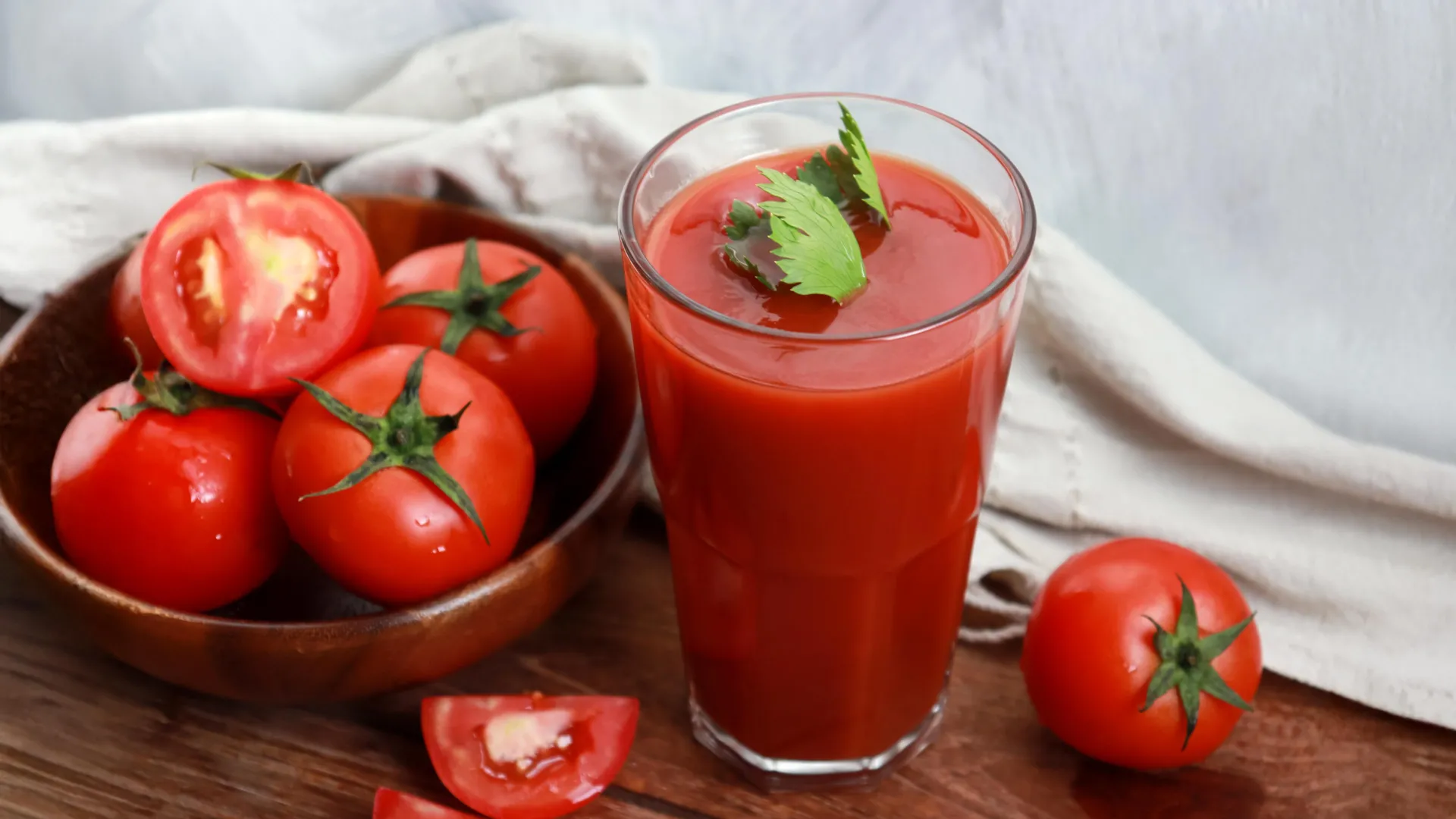
In the ongoing battle against chronic disease, researchers are increasingly turning their gaze toward the humble grocery aisle. A groundbreaking study conducted by scientists at The Ohio State University (OSU) has revealed that a specially formulated tomato-soy juice, enriched with high levels of plant-based compounds, can significantly reduce markers of systemic inflammation in adults living with obesity.
Published in the journal Molecular Nutrition & Food Research, the study offers a compelling case for the use of "functional foods"—nutritionally enhanced dietary interventions—as a viable, science-backed strategy to mitigate the inflammatory processes that underpin a wide range of long-term health conditions, including cardiovascular disease, diabetes, and certain cancers.
Main Facts: The Power of Targeted Nutrition
The study focused on a custom-designed beverage that combines two nutritional powerhouses: tomatoes, which are rich in the carotenoid lycopene, and soy, which contains high levels of isoflavones.
Over a four-week period, 12 healthy adults with obesity consumed two 6-ounce cans of the tomato-soy juice daily. The results were striking. When compared to a control group that consumed a standard, lower-carotenoid tomato juice, the participants in the experimental group exhibited significant reductions in three specific blood proteins associated with systemic inflammation: Interleukin (IL)-5, IL-12p70, and granulocyte-macrophage colony-stimulating factor (GM-CSF).
While chronic inflammation is a complex biological state, these proteins serve as key indicators of how the immune system is responding to internal stressors. The ability to suppress these markers through a simple dietary addition represents a potential paradigm shift in preventative medicine.
The Chronology: A Multi-Year Scientific Journey
The journey to these findings did not begin in a clinical trial setting; it began in the field of horticulture. The Ohio State team, led by Jessica Cooperstone, an associate professor of horticulture and crop science, has spent years bridging the gap between agriculture and human health.
The Horticultural Foundation
The origins of the juice date back over a decade. Earlier epidemiological research suggested that diets high in tomato products and soy were correlated with a lower risk of prostate cancer. Recognizing this potential, Ohio State researchers began selectively breeding tomatoes to express higher concentrations of lycopene. By fortifying these specialized tomatoes with soy isoflavone extract, the team created a "functional food" designed specifically for clinical testing.
Initial Observations
Before the current study, researchers observed that increased consumption of this juice was linked to lower levels of prostate-specific antigen (PSA) in men already diagnosed with prostate cancer. These early indicators suggested that the synergy between tomato and soy compounds was not merely anecdotal but biological.
The Controlled Human Trial
The most recent phase of the research, published in Molecular Nutrition & Food Research, was designed to move beyond observational correlations. Researchers employed a rigorous "crossover" study design. Participants followed a four-week regimen of the tomato-soy juice, underwent a "washout" period to ensure previous effects were cleared, and then consumed a control juice for an additional four weeks. This methodology ensured that the results could be directly attributed to the nutritional profile of the experimental juice rather than confounding lifestyle variables.
Supporting Data: Understanding the Biology
To understand why this specific combination works, one must look at the chemistry of the plants themselves.
Lycopene and Isoflavones
Lycopene is a potent antioxidant responsible for the vibrant red hue of tomatoes. Its ability to neutralize free radicals is well-documented in the scientific literature. Soy isoflavones, meanwhile, are a type of flavonoid that can interact with the body’s estrogen receptors, potentially influencing hormonal and inflammatory signaling pathways.
Metabolomics: The "Fingerprint" of Health
Beyond tracking blood cytokines, the research team analyzed urine samples to identify "metabolites"—the chemical byproducts of human digestion and metabolism. The data revealed significant shifts in the metabolic profiles of participants after consuming the tomato-soy juice.
Interestingly, while both the experimental and control juices produced some metabolic changes—suggesting that tomatoes provide health benefits regardless of their lycopene content—the soy isoflavone metabolites were unique to the experimental group. This provides "biological proof of concept," confirming that the beverage is not merely passing through the body, but is being processed and utilized at a cellular level.
Official Responses: Insights from Lead Researchers
"The idea is, can we use food-based interventions to modulate inflammation?" said lead author Jessica Cooperstone. "And can we test this in a rigorous way so that we can really see this is affecting inflammation, versus just saying something is anti-inflammatory?"
Cooperstone emphasizes that the scientific community must move away from the vague terminology often used in the wellness industry. "There’s been enough compelling evidence that compounds from tomatoes and soy might be modulating inflammation that we decided to test this in people," she noted.
For Cooperstone, the goal is not to replace medicine, but to enhance the toolkit available to clinicians. By providing a evidence-based, food-based intervention, researchers hope to offer patients a way to manage their health proactively. "Ultimately, we want to have a better understanding of how the foods that we eat are relating to our health. And when we really want to be sure, we need to test them in clinical trials. And that’s what we’re doing here."
Implications: Moving Toward Pancreatitis Treatment
The success of the obesity study has served as a catalyst for a more ambitious phase of research. The National Institute of Diabetes and Digestive and Kidney Diseases has provided funding for a pilot clinical trial to investigate whether this same tomato-soy juice can reduce inflammation in patients suffering from chronic pancreatitis.
A New Frontier in Palliative Care
Chronic pancreatitis is a debilitating condition characterized by persistent inflammation of the pancreas, often resulting in severe pain, digestive issues, and a significantly diminished quality of life. Currently, treatment options are largely palliative—focusing on pain management and symptom control rather than addressing the underlying inflammatory pathology.
"Care for patients with pancreatitis is palliative, focused on controlling pain and GI symptoms," Cooperstone explained. "Our hypothesis is that the tomato-soy juice may serve as an intervention to decrease inflammation and hopefully increase patients’ quality of life."
A Collaborative Effort
The research is a multi-disciplinary triumph, involving not only horticulturalists but also medical doctors and nutritionists. Co-authors include Maria Sholola, Jenna Miller, Emma Bilbrey, David Francis, and Thomas Mace of Ohio State, alongside Janet Navotny of the USDA. Thomas Mace serves as the lead principal investigator for the upcoming pancreatitis trial, marking a significant transition from bench-top science to clinical application.
Looking Ahead: The Future of Functional Foods
The study is supported by a robust network of contributors, including the U.S. Department of Agriculture, the National Institutes of Health, the Lisa and Dan Wampler Endowed Fellowship for Foods and Health Research, and the Foods for Health Initiative at Ohio State.
As this research continues, it raises broader questions about the role of diet in modern medicine. If a daily serving of a nutrient-dense beverage can alter the inflammatory status of the body, it suggests that the "food as medicine" movement is shifting from a fringe concept to a central pillar of clinical practice.
However, the researchers remain cautious. While the current results are promising, they emphasize the necessity of large-scale, long-term studies to confirm these findings across diverse populations. For now, the tomato-soy juice stands as a symbol of how meticulous science can unlock the hidden potential of everyday foods, offering hope for those suffering from chronic, inflammation-driven diseases.
As the upcoming pancreatitis trial gets underway, the scientific community will be watching closely. If successful, this research could pave the way for a new generation of non-invasive, dietary-based therapies that could change the lives of thousands of patients worldwide.