






Main Facts: A New Frontier in B-Cell Malignancy Research
In the high-stakes world of oncology, few researchers bring as much personal conviction to the laboratory bench as Dr. Xin Meng, a dedicated investigator currently working out of Yale University. Supported by a strategic grant from the Lymphoma Research Foundation, Dr. Meng is spearheading a transformative research project focused on two of the most challenging B-cell malignancies: chronic lymphocytic leukemia (CLL) and mantle cell lymphoma (MCL).
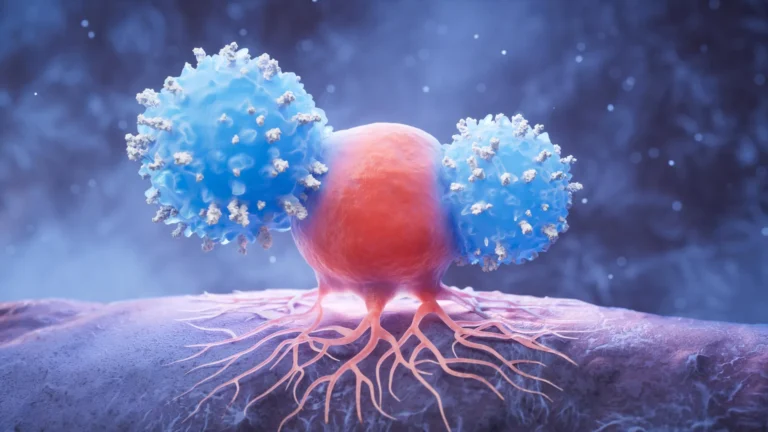
The central premise of Dr. Meng’s work lies in the exploitation of cellular "housekeeping" mechanisms. Cancer cells are notoriously resilient, often evolving sophisticated ways to dispose of proteins that would otherwise trigger cell death. Dr. Meng has identified a specific mechanism through which these malignant cells purge vital proteins to maintain their survival. By identifying how to block this disposal process, her research team has developed a methodology to force these proteins to accumulate within the cancer cell, effectively triggering a self-destruct sequence that shuts down the genetic machinery essential for tumor growth.
Perhaps most significantly, Dr. Meng is not starting from zero. Her team is evaluating existing, FDA-approved drugs—already proven safe for other medical conditions—to determine their efficacy in inhibiting this specific protein-removal pathway. This "drug repurposing" strategy represents a paradigm shift in how we approach aggressive blood cancers, potentially cutting years off the traditional drug development timeline and offering a beacon of hope for patients who have exhausted standard lines of therapy.
Chronology: The Evolution of a Medical Mission
Dr. Meng’s trajectory into the field of immunology was not a calculated career move, but a calling born of necessity and human connection.
The Hometown Catalyst
Long before her tenure at Yale, Dr. Meng lived in a small, underserved community where medical resources were scarce. Her resolve was solidified during her youth when a young girl in her neighborhood was diagnosed with lymphoma. In a community with limited specialized care, Dr. Meng, who possessed a foundational background in medical knowledge, became the family’s primary advocate. She navigated the complex healthcare landscape for them, helping secure the resources and financial support necessary for the child’s treatment.
The successful recovery of that young girl—her return to school and a normal, vibrant life—served as the definitive turning point in Dr. Meng’s life. It provided a tangible, living example of the profound human impact that medical research and clinical intervention can have on a family’s destiny.
Academic Foundation
Motivated by this experience, Dr. Meng pursued formal graduate training in immunology at the Shanghai Medical College at Fudan University. This academic rigorousness provided her with the technical tools to investigate the molecular architecture of the immune system. It was during these formative years that she narrowed her focus to B-cell lymphomas, recognizing that the dysregulation of B-cell biology was the root cause of the very disease that had once threatened her neighbor.
Current Research Phase
Upon joining the research community at Yale, Dr. Meng transitioned from fundamental immunology to translational medicine. With the backing of the Lymphoma Research Foundation, she has spent the last several years mapping the survival pathways of CLL and MCL cells. Her current phase of research—identifying the optimal combinations of repurposed drugs—represents the culmination of years of data collection, laboratory experimentation, and molecular modeling.
Supporting Data: Understanding the Mechanism of Action
To understand the gravity of Dr. Meng’s research, one must understand the biological resilience of B-cell cancers. CLL and MCL are characterized by their ability to develop resistance to standard chemotherapy and targeted agents. Once a patient relapses, the prognosis historically diminishes, as the cancer cells often become "multidrug-resistant."
Dr. Meng’s research centers on the proteasome-ubiquitin pathway—the system by which cells break down "trash" or misfolded proteins. In healthy cells, this is a routine cleaning process. In CLL and MCL, the cells over-utilize this system to dispose of tumor-suppressor proteins that would normally signal the cell to stop dividing or die.
- The Problem: The cancer cell keeps itself "clean" of death-inducing signals by rapidly degrading them.
- The Discovery: Dr. Meng discovered a chemical "bottleneck" in this pathway. By using specific agents to clog this disposal mechanism, she forces the cell to become overwhelmed with its own toxic waste.
- The Result: The accumulation of these internal proteins acts as a molecular "short circuit," forcing the cancer cell to initiate apoptosis (programmed cell death).
The beauty of this approach is its universality across these subtypes. Because both CLL and MCL rely on these survival pathways, the targeted intervention acts as a master key. Furthermore, the clinical data suggests that because these existing, repurposed drugs have already been screened for human toxicity, the path to human trials is significantly more streamlined than it would be for a novel compound.
Official Responses and Perspectives
The scientific community and the Lymphoma Research Foundation have hailed Dr. Meng’s work as a model for patient-centric research.
"The Foundation’s role is not just to provide capital, but to identify individuals whose vision can change the standard of care," says a spokesperson for the grant committee. "Dr. Meng’s ability to bridge the gap between bench science and bedside application is exemplary. She isn’t just looking at cells; she is looking at the people behind the samples."
Dr. Meng herself maintains a humble perspective, often emphasizing that the recognition she has received is, in fact, a recognition of the communities she represents. "This grant affirmed that my background—coming from a small town, being part of a community where medical resources are limited—doesn’t limit my potential," Dr. Meng shared during a recent symposium. "It told me that my perspective matters. And it strengthened my commitment to keep working at the highest level—not just to advance science, but to give back to the people like those I grew up with."
Implications: A New Era for Relapsed Patients
The implications of this research for the future of hematology are far-reaching. If Dr. Meng’s proposed drug combinations prove successful in clinical trials, the medical community could see:
- Reduced Costs: Because these drugs are already available and often generic, the barrier to access for patients in lower-income areas or under-resourced hospitals could be significantly lowered.
- Increased Speed to Clinic: The "repurposing" model allows researchers to bypass the initial phases of safety trials required for entirely new molecules, potentially saving years of research and development time.
- Overcoming Resistance: By targeting the fundamental survival mechanisms of the cell rather than the specific surface markers that cancers often mutate to escape detection, Dr. Meng’s approach offers a solution to the "moving target" problem that plagues current immunotherapy.
Looking Toward the Future
Dr. Meng’s journey from a small-town advocate for one child to a leading researcher at Yale University is a testament to the power of directed inquiry. As she continues her work, the focus remains clear: "This Foundation didn’t just fund a project—they invested in a mission."
For the thousands of patients currently battling chronic lymphocytic leukemia and mantle cell lymphoma, Dr. Meng’s work offers more than just academic data. It offers the promise that the very biological systems the cancer uses to thrive can be turned against it. As the clinical trials for these repurposed drug combinations loom on the horizon, the medical world watches with cautious optimism, hopeful that a definitive, accessible, and life-saving treatment is finally within reach.