










The modern landscape of LGBTQ+ rights—characterized by Pride parades, marriage equality, and anti-discrimination protections—often masks the volatile and dangerous atmosphere of the mid-20th century. For decades, the mere act of existing as a queer individual in the United States was a criminal offense. However, in the early morning hours of June 28, 1969, a routine police raid on a Greenwich Village tavern transformed from a standard exercise in state-sanctioned harassment into a catalyst for a global civil rights movement. The Stonewall Uprising was not the first time LGBTQ+ individuals resisted oppression, but it was the moment the movement found its collective voice, shifting from a plea for tolerance to a demand for liberation.
Main Facts: The Crucible of 1969
In 1969, the legal and social framework of the United States was aggressively hostile toward the LGBTQ+ community. Homosexuality was classified as a mental illness by the American Psychiatric Association and was a criminal offense in 49 states. New York City, despite its reputation as a bohemian hub, utilized a variety of legal mechanisms to suppress queer life. The New York State Liquor Authority (SLA) frequently shuttered bars that served "disorderly" patrons—a euphemism for homosexuals—while the New York Police Department (NYPD) conducted frequent raids on the few establishments that dared to welcome the community.
The Stonewall Inn, located at 51-53 Christopher Street, was a unique, albeit flawed, sanctuary. Owned by the Genovese crime family, it operated without a liquor license and often lacked running water, but it was one of the few places where gay men, lesbians, drag queens, and transgender youth could dance and socialize. Because the Mafia paid off the 6th Precinct, the bar usually received advance warning of raids. However, on June 28, the system broke down.
The uprising was not a singular event but a series of violent protests and street demonstrations that lasted for six days. It was led by those most marginalized within the community: trans women of color, street youth, and butch lesbians. Figures such as Marsha P. Johnson, Sylvia Rivera, and Stormé DeLarverie have since been recognized as the vanguard of this rebellion. Their refusal to submit to the "routine" indignities of the era fundamentally altered the trajectory of American civil rights.
Chronology: Six Days that Shook the World
June 28, 1969: The Spark
At approximately 1:20 a.m., Deputy Inspector Seymour Pine and several plainclothes officers entered the Stonewall Inn. Unlike previous raids, this one occurred late in the night and without the usual "tip-off." The police intended to clear the bar and arrest those without identification or those "masquerading" as the opposite sex—a violation of the "three-article rule," which required individuals to wear at least three pieces of clothing deemed gender-appropriate.
As patrons were funneled out onto Christopher Street, a crowd began to gather. Instead of dispersing, the crowd grew increasingly agitated. The turning point occurred when a handcuffed woman, believed to be Stormé DeLarverie, was struck by an officer after complaining her handcuffs were too tight. She looked at the bystanders and shouted, "Why don’t you guys do something?" The frustration of years of systemic abuse boiled over. Pennies, bottles, and bricks began to fly. The police, outnumbered, were forced to retreat into the Stonewall Inn and barricade themselves inside as the crowd attempted to set the building on fire.
June 29 – July 3, 1969: The Escalation
By the next evening, thousands had gathered in Greenwich Village. The "Tactical Patrol Force" (TPF), an elite riot-control unit, was deployed to clear the streets. Protesters utilized "guerrilla" tactics, using the winding, narrow streets of the Village to outmaneuver the police. It was during these subsequent nights that the political nature of the event crystallized. Activists distributed flyers demanding "Gay Power" and an end to police harassment.
1970: The First Pride
To commemorate the one-year anniversary of the uprising, activists Craig Rodwell, Brenda Howard, and others organized the Christopher Street Liberation Day March. On June 28, 1970, thousands of people marched from Greenwich Village to Central Park. This was the first "Pride" parade in history. Simultaneous marches occurred in Los Angeles and Chicago, signaling that the spirit of Stonewall had become a national movement.
Supporting Data: The Scale of Systematic Oppression
To understand why Stonewall happened, one must look at the data of the "Lavender Scare" and the legal landscape of the 1950s and 60s.
- Employment Discrimination: Under Executive Order 10450, signed by President Dwight D. Eisenhower in 1953, thousands of federal employees were fired or forced to resign because of their sexual orientation, as they were deemed "security risks."
- Police Statistics: In the 1960s, the NYPD arrested an average of 1,000 people per year on "deviant" behavior charges related to homosexuality.
- The Growth of Organizations: Before Stonewall, there were only a handful of "homophile" organizations in the U.S., such as the Mattachine Society and the Daughters of Bilitis, which focused on assimilation and quiet lobbying. Within a year of Stonewall, the number of activist groups jumped to over 1,500.
- Medical Pathologization: It was not until 1973, four years after the uprising, that the American Psychiatric Association removed homosexuality from the Diagnostic and Statistical Manual of Mental Disorders (DSM).
The Stonewall Uprising acted as a demographic "force multiplier." It brought together the "street queens" and homeless youth who had nothing to lose with the middle-class activists who had previously feared to speak out.
Official Responses: From Ridicule to Recognition
The immediate official and media response to Stonewall was largely dismissive or mocking. The New York Times initially covered the event with a small article buried in the back pages, while the Village Voice used derogatory language to describe the "forces of faggotry" that had engaged the police. Inspector Seymour Pine later admitted in interviews that the police were completely unprepared for the resistance, stating, "They were tired of being pushed around."
As the decades passed, the narrative shifted from a "riot" to a "civil rights milestone."
- 1999: The Stonewall Inn was placed on the National Register of Historic Places.
- 2016: President Barack Obama designated the Stonewall National Monument, making it the first U.S. National Park unit dedicated to LGBTQ+ history.
- 2019 (The 50th Anniversary): In a historic move, NYPD Commissioner James O’Neill issued a formal apology on behalf of the department. "The actions taken by the NYPD were wrong, plain and simple," O’Neill stated. "The actions and the laws were discriminatory and oppressive, and for that, I apologize."
This evolution in official response mirrors the broader societal shift toward acceptance, though activists note that an apology does not erase the decades of trauma inflicted upon the community.
Implications: The Radical Act of Living Authentically
The implications of the Stonewall Uprising are vast and continue to resonate in contemporary politics. The rebellion shifted the movement’s goal from "homophile" assimilation to "Gay Liberation." This new philosophy argued that the problem was not the queer individual, but a society that refused to accept them.
Legislative and Judicial Shifts
The momentum from Stonewall eventually led to landmark legal victories. The decriminalization of sodomy (Lawrence v. Texas, 2003), the repeal of "Don’t Ask, Don’t Tell" (2011), and the legalization of same-sex marriage (Obergefell v. Hodges, 2015) can all trace their lineage back to the defiant energy of Christopher Street.
Intersectionality and Representation
Stonewall also highlighted the internal fractures and subsequent growth of the movement. For years, the contributions of trans women of color like Marsha P. Johnson and Sylvia Rivera were sidelined by a movement seeking "respectability." Modern Pride movements have sought to rectify this, emphasizing that Pride must be intersectional to be effective. The "radical act" of living authentically is particularly poignant for the transgender community today, which faces a new wave of legislative challenges across the United States.
Global Impact
What began in a small New York bar has become a global phenomenon. Pride is now celebrated in nearly every corner of the world, from massive parades in Sao Paulo and Berlin to clandestine, high-risk gatherings in countries where queerness remains a capital offense.
Conclusion: The Unfinished Work
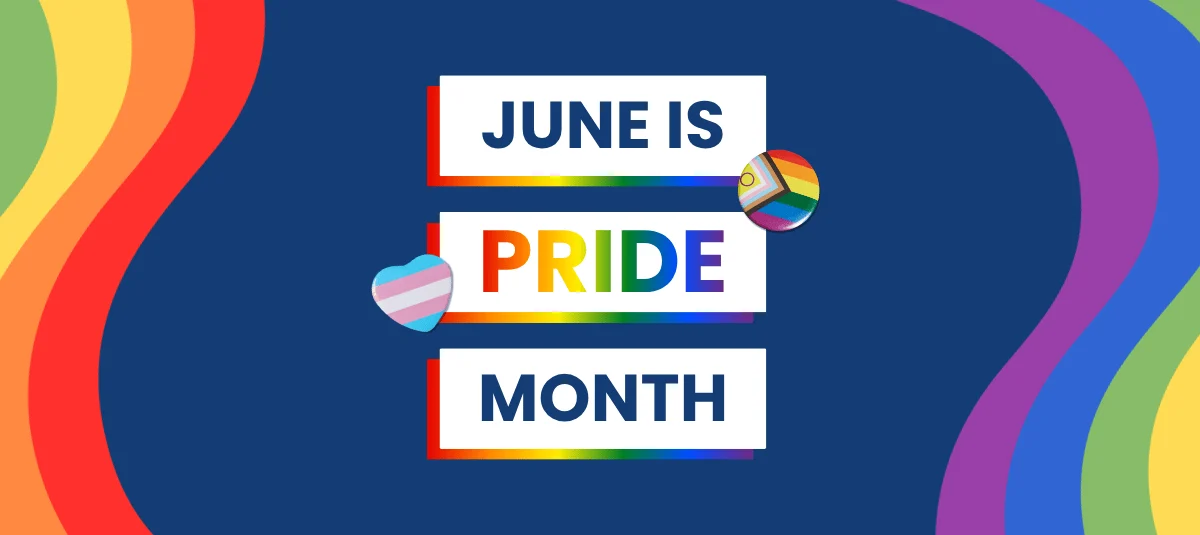
While June is now a month of celebration, corporate sponsorships, and parades, the history of Stonewall serves as a reminder that Pride was born from a protest. It was a response to state violence and social exclusion. As the community faces contemporary challenges—ranging from healthcare restrictions for trans youth to the roll-back of civil liberties—the spirit of 1969 remains a blueprint for resistance.
The legacy of Marsha P. Johnson, Sylvia Rivera, and the unnamed hundreds who stood their ground that night is a testament to the power of community. They proved that when a marginalized group decides that they have had enough, they can change the course of history. Pride is not just a party; it is a commemoration of the moment the invisible became visible, and the criminalized became the celebrated. Living authentically remains, as it was in 1969, a radical and necessary act of defiance.