











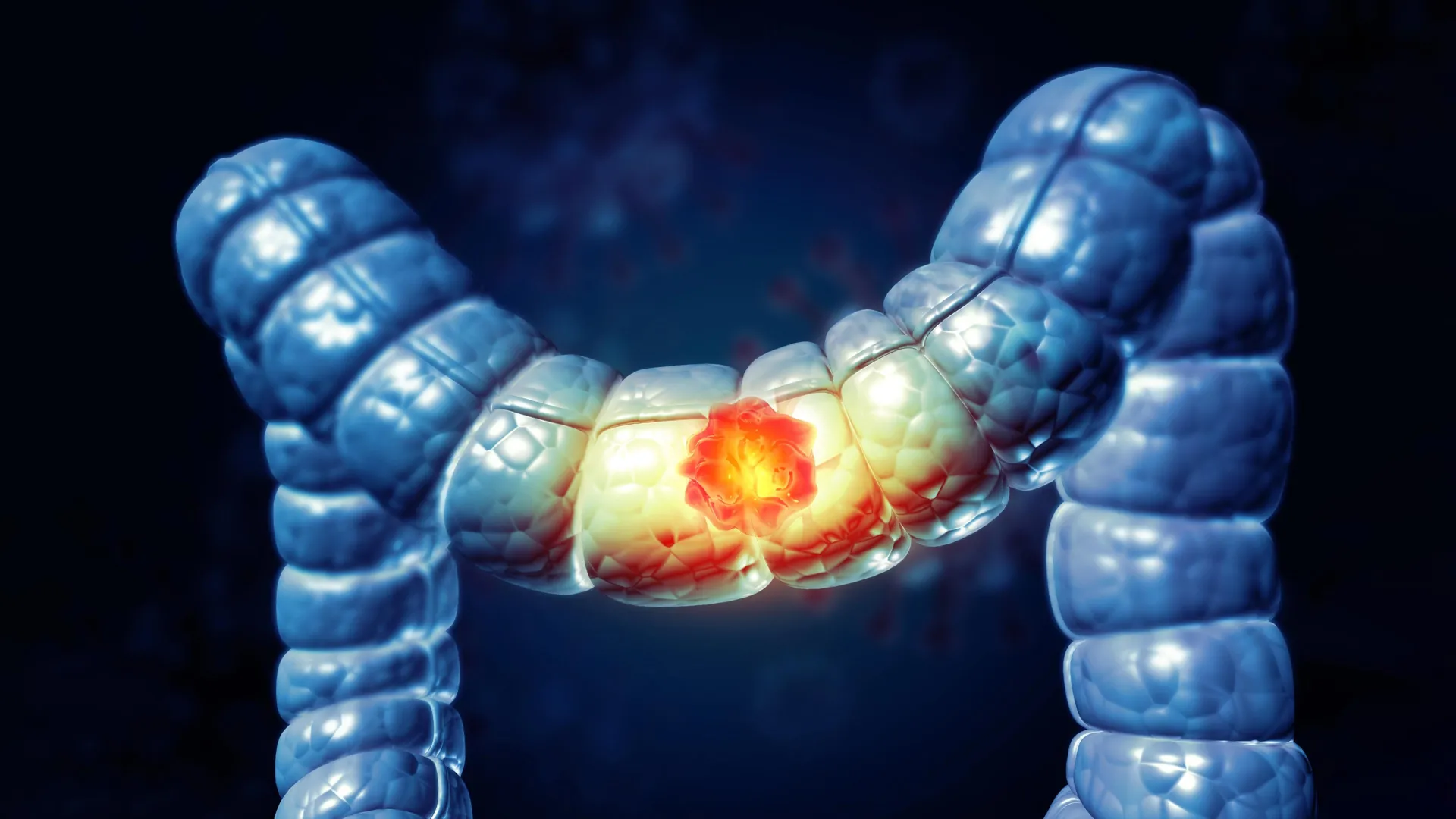
In a significant breakthrough for oncology, a team of researchers at the Massachusetts Institute of Technology (MIT) has identified a biological "molecular switch" that enables colorectal cancer to break free from its primary site and colonize distant organs. The discovery, published in the journal Science, offers a new mechanistic understanding of why some tumors remain localized while others turn lethal, potentially paving the way for a new class of preventative drugs.
Most colorectal cancer deaths are not caused by the primary tumor in the colon, but by metastasis—the process by which cancer cells migrate to other parts of the body, most frequently the liver. For decades, the medical community has struggled to understand exactly what triggers this transformation. The MIT study suggests that the answer lies not in a new genetic mutation, but in the hijacking of a fundamental, healthy biological program: tissue regeneration.
The Core Discovery: The YAP1 Pathway
At the heart of the study is a protein known as YAP1. In a healthy human body, YAP1 is a vital regulatory component. When the intestinal lining suffers severe trauma—such as injury or infection—YAP1 activates a regenerative program, turning on genes that help the body rebuild itself. This process allows rare populations of stem-like cells to emerge and repair damaged tissue.
However, the researchers found that colorectal cancer cells have evolved a way to exploit this emergency response. By artificially switching on this YAP1-driven regenerative state, tumor cells gain the mobility and resilience necessary to detach from the colon, enter the bloodstream, and seed secondary tumors in organs like the liver and lungs.
"We’ve found a pathway that we think is druggable," says Omer Yilmaz, director of the MIT Stem Cell Initiative and a professor of biology at MIT. "If we shut down the enzymes that make ceramides, tumor cells can’t switch on this regenerative program, and they largely fail to seed metastases in the liver."
Chronology of a Scientific Breakthrough
The investigation into the mechanics of metastasis was a multi-year effort involving advanced organoid modeling and mouse studies. The path to this discovery can be traced through several key phases:
- Defining the Problem: While previous research identified numerous genetic mutations associated with primary tumor development, these mutations rarely explained why some cancers spread and others do not. The team hypothesized that metastasis was driven by epigenetic changes—the way genes are turned on or off—rather than new mutations.
- Developing Models: The researchers utilized tumor organoids—miniature, 3D representations of tumors grown from human patient cells—alongside mouse models of various colorectal cancer subtypes.
- Identifying the Commonality: Across all models, the team observed a consistent pattern: metastatic cells displayed an abnormally high activity of the YAP1-governed regenerative program.
- Connecting Diet to Biology: The team investigated the influence of diet, specifically high-fat intake. They discovered that mice fed a high-fat diet produced increased levels of ceramides, a specific class of fatty molecules.
- Linking Ceramides to YAP1: Further investigation revealed that these ceramides remove the "molecular brakes" that normally keep YAP1 inactive. Once these brakes are removed, YAP1 enters the cell nucleus to trigger the regenerative genes that drive metastasis.
- Validating in Humans: Finally, the team analyzed RNA sequencing data from human patients. They found that the YAP1 program was significantly more active in patients with metastatic disease, and that patients with higher body mass index (BMI) levels showed even greater YAP1 activity.
Supporting Data: The Impact of Lipids and Obesity
The correlation between diet and cancer progression has long been a subject of epidemiological interest, but the MIT study provides a clear molecular mechanism for why obesity often correlates with poorer survival rates in colorectal cancer patients.
The data indicates that a high-fat diet is not just a general health risk; it is a metabolic fuel for tumor progression. When mice consumed high-fat diets, the resulting spike in ceramides effectively "unlocked" the YAP1 pathway. In clinical data, patients with higher BMI demonstrated higher expression of YAP1-regulated genes. Notably, the researchers were careful to clarify that the YAP1 program is not exclusive to obesity; rather, obesity accentuates the process, making it significantly easier for cancer cells to leverage their environment to spread.
The efficacy of blocking this pathway was tested in mouse models by genetically targeting either YAP1 itself or the enzymes responsible for ceramide production. In both scenarios, the ability of colon cancer cells to establish liver metastases was drastically curtailed.
Official Perspectives and Expert Commentary
The study represents a collaborative effort involving some of the most prominent institutions in medical research. Senior authors include Omer Yilmaz (MIT), Nilay Sethi (Harvard Medical School and Dana-Farber Cancer Institute), and Alpaslan Tasdogan (University Hospital Essen and the German Cancer Consortium). Lead authors include MIT postdoctoral researchers Swagata Goswami, Qiming Zhang, and Abdullah Burak Yildiz.
Dr. Goswami emphasized the biological irony of the discovery: "The regenerative program that we described is generally observed in the gut when there is severe injury or infection and the gut needs to regenerate. We see the tumor cells hijack this program to drive metastatic progression."
Dr. Yilmaz, who serves as a gastrointestinal pathologist at Beth Israel Deaconess Medical Center, highlighted the clinical significance of the findings, noting that the absence of a "defining mutational signature" for metastasis had previously left the field at a standstill. By shifting the focus to epigenetic, pathway-based drivers, the team has opened a door that was previously closed.
Implications for Future Cancer Treatment
The most promising implication of this study is the potential for new, targeted therapies. The researchers have identified two specific enzymes, DEGS1 and DEGS2, as primary targets for drug development. By inhibiting these enzymes, scientists hope to reduce ceramide production, thereby keeping the YAP1 pathway in its inactive state and preventing tumor cells from entering their "regenerative" metastatic mode.
The Challenges Ahead
Despite the enthusiasm surrounding the discovery, the researchers remain cautious about the path to clinical application:
- Selectivity: Ceramides are not "bad" molecules; they perform essential functions in healthy tissues. Any therapeutic agent designed to inhibit their production must be highly selective to avoid damaging the normal, healthy regenerative processes of the gut and other organs.
- Dietary Guidance: The authors explicitly stated that these findings do not yet support specific dietary recommendations for patients currently undergoing cancer treatment. While the link between high-fat diets and cancer progression is clear, a patient’s nutritional needs during chemotherapy and surgery are complex and must be managed by oncologists.
- Clinical Trials: Moving from mouse models and organoids to human clinical trials is a long, arduous process. Developing a safe, orally or intravenously administered inhibitor for DEGS1/2 will require rigorous safety testing to ensure that the drug does not inadvertently impair the body’s ability to heal after standard surgical procedures.
A New Frontier in Metastasis Research
This study marks a paradigm shift in how we view the transition from localized cancer to systemic disease. By identifying the intersection of diet, metabolism, and epigenetic programming, MIT researchers have provided a roadmap for potentially life-saving interventions.
If a drug can be developed to "lock" the YAP1 pathway, physicians may one day be able to treat colon cancer not just by removing the primary tumor, but by preemptively stripping the cancer of its ability to travel. For the thousands of patients who undergo surgery only to face the devastating news of a recurrence later, this research offers a concrete, science-based hope for a future where metastasis is a preventable complication rather than an inevitable threat.
The research was funded by the National Institutes of Health/National Cancer Institute, the MIT Stem Cell Initiative, a Koch Institute Frontier grant, and the NRW Junior Research Program, underscoring the vital importance of continued public and private investment in foundational cancer biology.