


By Health Technology Correspondent
In a significant advancement for diagnostic gastroenterology, Good Hope Hospital—a key facility within the University Hospitals Birmingham NHS Foundation Trust (UHB)—has officially integrated the next generation of capsule endoscopy into its clinical practice. By deploying the “Genius” system, developed by medical technology leader Medtronic, the trust is moving away from restrictive traditional equipment, opting for a discreet, patch-based solution that promises to revolutionize the patient experience for those requiring investigation of the small bowel.
The Evolution of Small Bowel Diagnostics
For over a decade, University Hospitals Birmingham has stood at the forefront of capsule endoscopy in the Midlands. Since establishing its service in 2012, the trust has performed thousands of procedures, solidifying its reputation as a center of excellence for identifying complex gastrointestinal conditions.
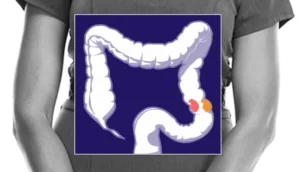
The small bowel has historically been one of the most challenging regions of the human anatomy for clinicians to visualize. Unlike the stomach or colon, which can be easily accessed via traditional endoscopes (tubes with cameras passed through the mouth or rectum), the small intestine’s length and intricate positioning make it notoriously difficult to reach. Capsule endoscopy—a process where a patient swallows a miniature, disposable camera—has become the gold standard for navigating this terrain.
The Genius System: A Paradigm Shift in Patient Comfort
Introduced at Good Hope Hospital in February 2026, the Genius system represents a quantum leap in the ergonomics of diagnostic imaging. Traditionally, patients undergoing capsule endoscopy were required to wear a bulky, cumbersome belt around their midsection, accompanied by a heavy crossbody bag containing a data-recording computer.
This equipment was not only physically restrictive but often psychologically distressing for patients, many of whom felt self-conscious or physically limited in their daily activities during the 8-to-12-hour recording window.
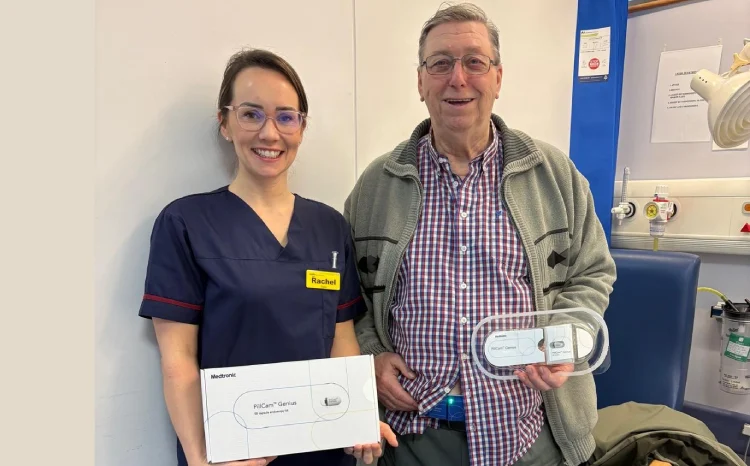
The Genius system eliminates this hardware entirely. Instead, the technology is embedded within a lightweight, adhesive patch applied directly to the patient’s abdomen. This patch captures and stores the high-resolution images transmitted from the capsule as it traverses the digestive tract.
“Patients swallow a small capsule that contains a camera and light,” explains Rachel Hilmo, a capsule endoscopy practitioner at UHB who spearheaded the local launch. “As it travels through the small bowel, it takes thousands of pictures that help us identify conditions such as inflammatory bowel disease (IBD) or the causes of iron deficiency anaemia. Traditionally, the bulky belt and bag could feel quite restrictive; some patients simply didn’t want to go out in public while wearing it. The new patch is discreet, comfortable, and significantly more dignified.”
Chronology of Implementation and Future Goals
The integration of the Genius system did not happen overnight. It was the result of a rigorous evaluation process that saw UHB selected for a limited market launch of the Medtronic technology, largely due to its established track record and high procedural volume.
- 2012: UHB launches its comprehensive capsule endoscopy service, establishing a regional standard for the Midlands.
- February 2026: Good Hope Hospital officially implements the Medtronic Genius patch-based endoscopy system for clinical use.
- April 2026: Medtronic reports a cyber-security incident affecting its internal systems; UHB confirms that local patient safety and data protocols remain unaffected.
- Future Trajectory: The trust aims to shift from physical data collection (where patients return the patch to the hospital) to a cloud-based, real-time transmission model.
The ultimate vision for this technology is the complete removal of the need for in-person data retrieval. Currently, patients return the patch to the hospital the following day for staff to download the images. The long-term goal is to utilize secure, cloud-based infrastructure to transmit data directly from the patient’s home to the hospital’s diagnostic suite. This would allow clinicians to analyze results remotely, minimizing hospital visits and creating a seamless “diagnostic-at-home” pathway.
Supporting Data and Clinical Efficacy
The clinical utility of capsule endoscopy is underscored by its diagnostic yield. In patients presenting with obscure gastrointestinal bleeding or suspected Crohn’s disease, the ability to visualize the entire mucosal lining of the small bowel is transformative.
Data from the UHB team indicates that the high-quality imagery provided by the Genius system matches or exceeds the diagnostic capability of previous iterations. By reducing the physical discomfort associated with the procedure, the trust expects to see higher patient compliance rates. When patients are comfortable and mobile during the procedure, the natural motility of the bowel is often improved, which can lead to better image quality and more accurate clinical readings.
“We are proud to be part of testing new innovations that make a genuine difference to patient experience,” says Hilmo. “It has been a whole team effort, and I would like to particularly thank our IT services, specifically our colleague Tim, who was instrumental in the technical configuration required to support this transition.”
Addressing Cybersecurity in the MedTech Age
The rollout of the Genius system has coincided with broader challenges within the medical technology sector. In April 2026, Medtronic, the supplier of the endoscopy technology, confirmed it had been the target of a sophisticated cyber-attack. The incident involved unauthorized access to some of the firm’s IT systems.
However, UHB and Medtronic were quick to reassure the public and patients regarding the safety of the new diagnostic tools. In a statement released on 24 April 2026, Medtronic confirmed that the breach did not compromise the safety of patients, nor did it impact the diagnostic integrity of the Genius system currently in use at Good Hope Hospital. The hospital’s own cybersecurity measures remain robust, and the trust continues to monitor the situation to ensure that the transition to cloud-based data storage—the next phase of the project—is fortified against digital threats.
Implications for the NHS and Future Healthcare
The adoption of the Genius system at Good Hope Hospital is more than just a localized equipment upgrade; it is a glimpse into the future of the NHS. As the health service continues to struggle with elective recovery and waiting list backlogs, the ability to perform complex diagnostics with minimal infrastructure is invaluable.
The Role of Artificial Intelligence
Looking ahead, the synergy between capsule endoscopy and Artificial Intelligence (AI) is expected to be the next major milestone. Currently, clinicians must spend significant time reviewing thousands of images to identify potential lesions or bleeding sites. Emerging AI algorithms, which can automatically flag abnormal areas, are already being tested in conjunction with these systems.
“With advances in AI and digital integration, capsule endoscopy will only become more effective and patient-friendly,” notes Hilmo. “It’s exciting to be part of that progress.”
Scalability and Wider Adoption
The success of the pilot at Good Hope Hospital will serve as the primary evidence base for a potential wider rollout across the entire UHB trust. By gathering feedback from both the clinical staff and the patients who have used the system, the trust is developing a blueprint for modernizing endoscopy services.
If successful, the move toward patch-based, remote-reporting diagnostics could significantly reduce the pressure on endoscopy suites, allowing them to focus resources on patients who require physical intervention, such as biopsies or therapeutic procedures, rather than purely diagnostic imaging.
Conclusion
The introduction of the Genius system at Good Hope Hospital represents a vital convergence of patient-centered care and cutting-edge technology. By listening to the concerns of patients—who demanded less invasive and more discreet diagnostic options—and partnering with innovators like Medtronic, UHB has demonstrated how established NHS services can evolve to meet modern demands.
As the trust continues to refine the process, including the transition to cloud-based data management, the focus remains clear: improving the diagnostic journey while maintaining the highest standards of care. In an era where digital health is rapidly changing, the team at Good Hope Hospital is proving that the most effective innovations are those that prioritize the comfort and dignity of the patient above all else.