







Main Facts: The Scope of the Latest Recall
Johnson & Johnson (J&J), through its cardiovascular technology subsidiary Abiomed, has initiated a new product recall affecting specific models of its Impella heart pump systems. On May 18, the company issued a formal communication to healthcare providers, advising them to immediately quarantine and return specific devices that were found to be "out-of-specification."
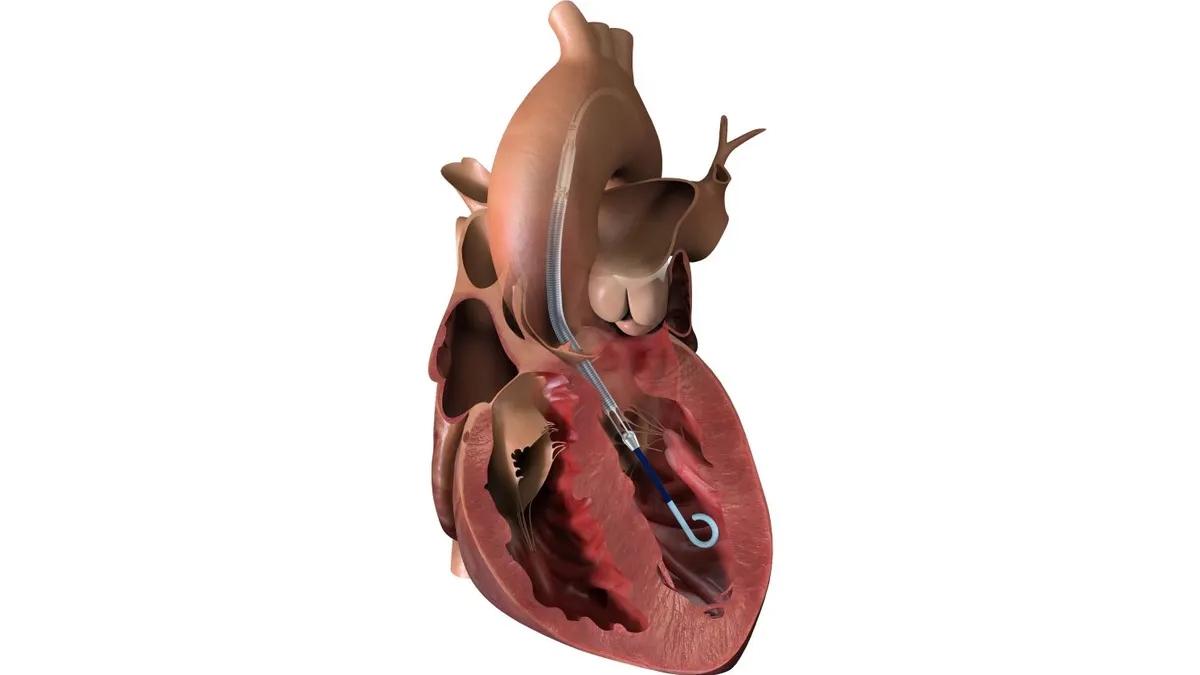
The technical failure at the center of this action involves a persistent low purge pressure alarm. Under normal operating conditions, the purge system maintains a pressure gradient to prevent blood from entering the motor of the heart pump. When this system fails, it can result in the interruption or total loss of mechanical circulatory support. The U.S. Food and Drug Administration (FDA) has classified this as a significant concern, noting that the loss of support can lead to acute hemodynamic instability, hypotension, end-organ hypoperfusion, and, in the most severe cases, patient death.
While J&J maintains that its updated quality control processes are functioning as intended, this latest development adds to a mounting list of regulatory challenges for the company since its $16.6 billion acquisition of Abiomed in 2022.
Chronology: A Pattern of Regulatory Interventions
The trajectory of Abiomed under J&J’s ownership has been marked by both impressive financial growth and a consistent series of safety-related field actions.
- December 2022: Johnson & Johnson completes its acquisition of Abiomed for $16.6 billion, positioning the Impella portfolio as a cornerstone of its MedTech growth strategy.
- Early 2024: The FDA releases data concerning a significant issue linked to 49 deaths associated with the Impella heart pump platform, specifically regarding the risk of left ventricular perforation.
- May 7, 2024: The cutoff date for data collection regarding the current purge pressure issue. By this time, Abiomed had recorded three pump exchanges—a high-risk procedure for critically ill patients—and one reported death potentially linked to the defect.
- May 18, 2024: Abiomed issues a customer letter recommending the quarantine of affected units.
- Mid-2024 (Recent Weeks): The FDA publishes an early alert notice concerning a separate, previously reported controller issue that resulted in one death and two injuries, further compounding the company’s regulatory workload.
Supporting Data: Understanding the Clinical Context
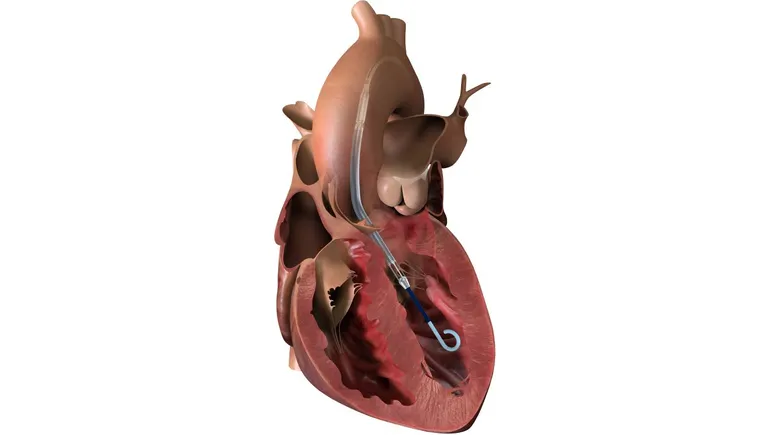
To understand the gravity of these recalls, one must consider the patient population that relies on Impella technology. These devices are used for temporary ventricular support during high-risk percutaneous coronary interventions (PCI). They are typically reserved for hemodynamically stable patients suffering from severe coronary artery disease who require assistance to survive the stress of an elective or urgent cardiac procedure.
Because these patients are already medically fragile, any interruption in mechanical support creates an "acute change in care." When a purge pressure alarm indicates a malfunction, clinicians must often perform a "pump exchange"—the physical removal and replacement of the device. This procedure itself carries inherent risks, including bleeding, vascular damage, and cardiac arrest.
The data provided by the FDA suggests that while the total number of adverse events remains low relative to the thousands of procedures performed, the severity of the outcomes—ranging from organ failure to death—demands a rigorous response from the manufacturer.
Official Responses and Corporate Strategy
In response to inquiries regarding the string of recalls, a J&J spokesperson emphasized that these actions are the result of "comprehensive, retrospective audits" of quality systems implemented post-acquisition.
"These field actions do not compromise the safety of the products in use today," the spokesperson stated. "Rather, they demonstrate that our enhanced processes are rigorous and working as intended."
This narrative frames the recalls not as a sign of systemic failure, but as a sign of institutional improvement. By aggressively identifying and flagging potential out-of-specification devices, J&J is attempting to reassure investors and the medical community that the company is taking a proactive stance on quality assurance. However, the juxtaposition of "enhanced processes" with a high volume of recalls creates a complex PR narrative that the company must navigate carefully.
Implications: Financial Performance vs. Regulatory Burden
Despite the persistent headlines regarding safety and recalls, the Abiomed business unit remains a powerful engine for Johnson & Johnson. In the first quarter of 2024, the cardiovascular unit reported a growth rate of 16.3%, significantly outperforming many other segments of the company’s MedTech portfolio.
The Balancing Act
The primary implication of these events is the test of J&J’s ability to scale a high-risk medical device business without compromising patient safety. The acquisition of Abiomed was predicated on the idea that J&J’s massive regulatory and manufacturing infrastructure could optimize a high-growth, high-tech asset. If the current trend of recalls continues, it could lead to:

- Increased Scrutiny: The FDA may increase the frequency and depth of audits for the entire Impella line, potentially slowing down future innovations or product updates.
- Reputational Costs: While financial performance remains strong, the accumulation of deaths associated with device malfunctions can erode trust among interventional cardiologists, who may look to competitors for more stable alternatives.
- Litigation Risks: Every reported death associated with a recall notice increases the company’s exposure to product liability litigation, which can result in significant legal costs and long-term financial settlements.
The Role of Quality Systems
The "retrospective audits" mentioned by J&J are likely a result of integrating a specialized, smaller company into a massive global conglomerate with stringent quality management systems (QMS). Often, when a large corporation acquires a smaller medtech firm, it discovers that the previous company’s documentation and testing protocols do not align with the new parent company’s global standards.
What the public sees as a "string of recalls" is, from the corporate perspective, a necessary house-cleaning exercise to bring the Abiomed portfolio into full compliance with J&J’s internal global quality standards.
Conclusion: A Path Forward
As Johnson & Johnson continues to integrate the Impella portfolio, the company finds itself at a crossroads. The technology is undeniably life-saving and remains a critical tool for cardiologists worldwide. However, the recurring nature of these device failures—specifically those related to mechanical hardware and control software—suggests that the company has not yet achieved the "zero-defect" environment it aims for.
For healthcare providers, the guidance remains clear: follow the manufacturer’s quarantine protocols, monitor patients closely for alarm indicators, and be prepared for potential pump exchanges. For J&J, the challenge is to move past this cycle of remediation. The company must prove that its "rigorous processes" will eventually lead to a decline in field actions, rather than simply identifying a larger volume of issues.
As cardiovascular disease continues to be a top priority for the global healthcare system, the success of the Impella platform is too important for J&J to leave to chance. The coming months will be a critical indicator of whether the company can stabilize the product line and return the focus to innovation rather than correction.
Summary Table: Current Recall Status
| Feature | Details |
|---|---|
| Primary Issue | Out-of-specification purge pressure causing alarms |
| Clinical Risk | Loss of support, hypotension, organ failure, death |
| J&J Stance | Enhanced audit processes are identifying and fixing issues |
| Business Impact | 16.3% growth in Q1; high importance to MedTech strategy |
| Immediate Action | Quarantine and return of affected units |
Disclaimer: This report is based on information provided by public regulatory filings and corporate communications. Healthcare professionals should refer to official Johnson & Johnson/Abiomed product notifications for specific device serial numbers and safety instructions.