










Melbourne, FL – [Current Date, e.g., July 20, 2024] – Kalogon, a company recognized for its innovative smart seating solutions, has officially announced the launch of Verro, a groundbreaking line of Medicare-coded custom wheelchair cushions. Designed specifically to address the intricate and often unmet postural support needs of individuals with complex seating requirements, the Verro line introduces a new paradigm in personalized comfort and clinical efficacy, leveraging advanced 3D printing and sophisticated material science.
Main Facts: Redefining Custom Seating
The Verro custom wheelchair cushion line emerges as a significant advancement in the complex rehabilitation technology (CRT) market. At its core, Verro aims to bridge the gap in available solutions for wheelchair users whose unique body contours and specific medical conditions demand a level of precision and customization that traditional off-the-shelf or even semi-custom cushions simply cannot provide.
Kalogon’s new offering is presented in two distinct yet equally innovative models: the Verro variable-density lattice (Verro Lattice) and the Verro dual-density foam (Verro Foam). Both are engineered to deliver precise, body-conforming fits for individuals grappling with challenging conditions such as windswept posture, pelvic obliquity, and various forms of asymmetry.
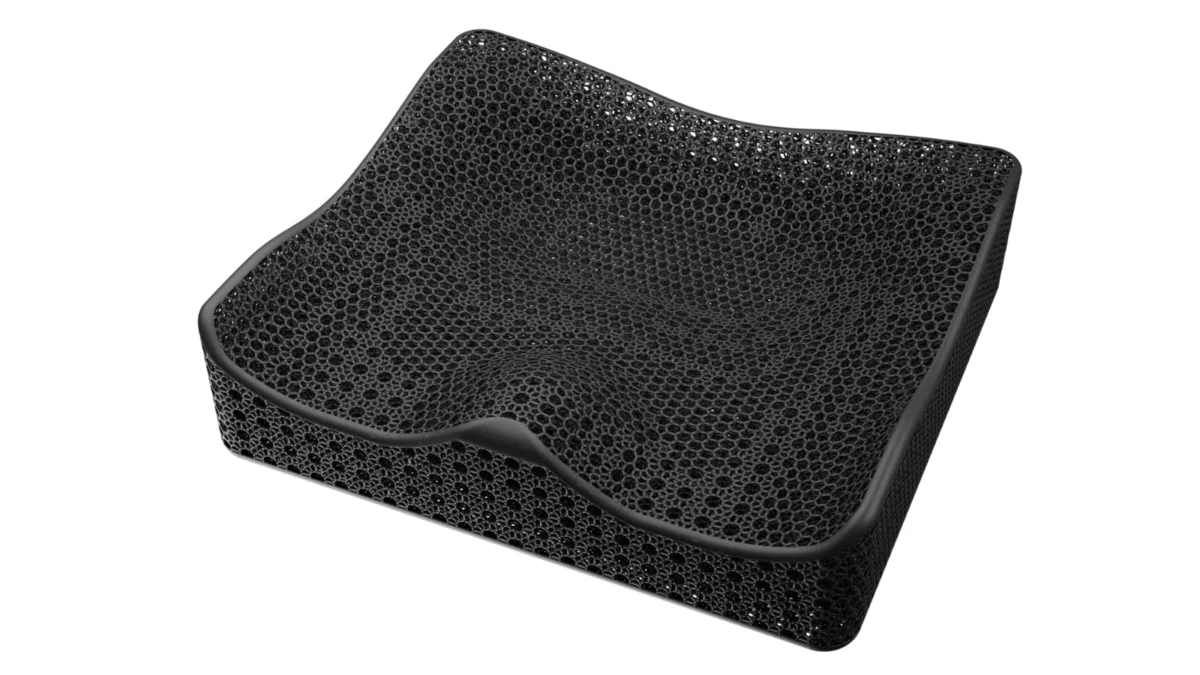
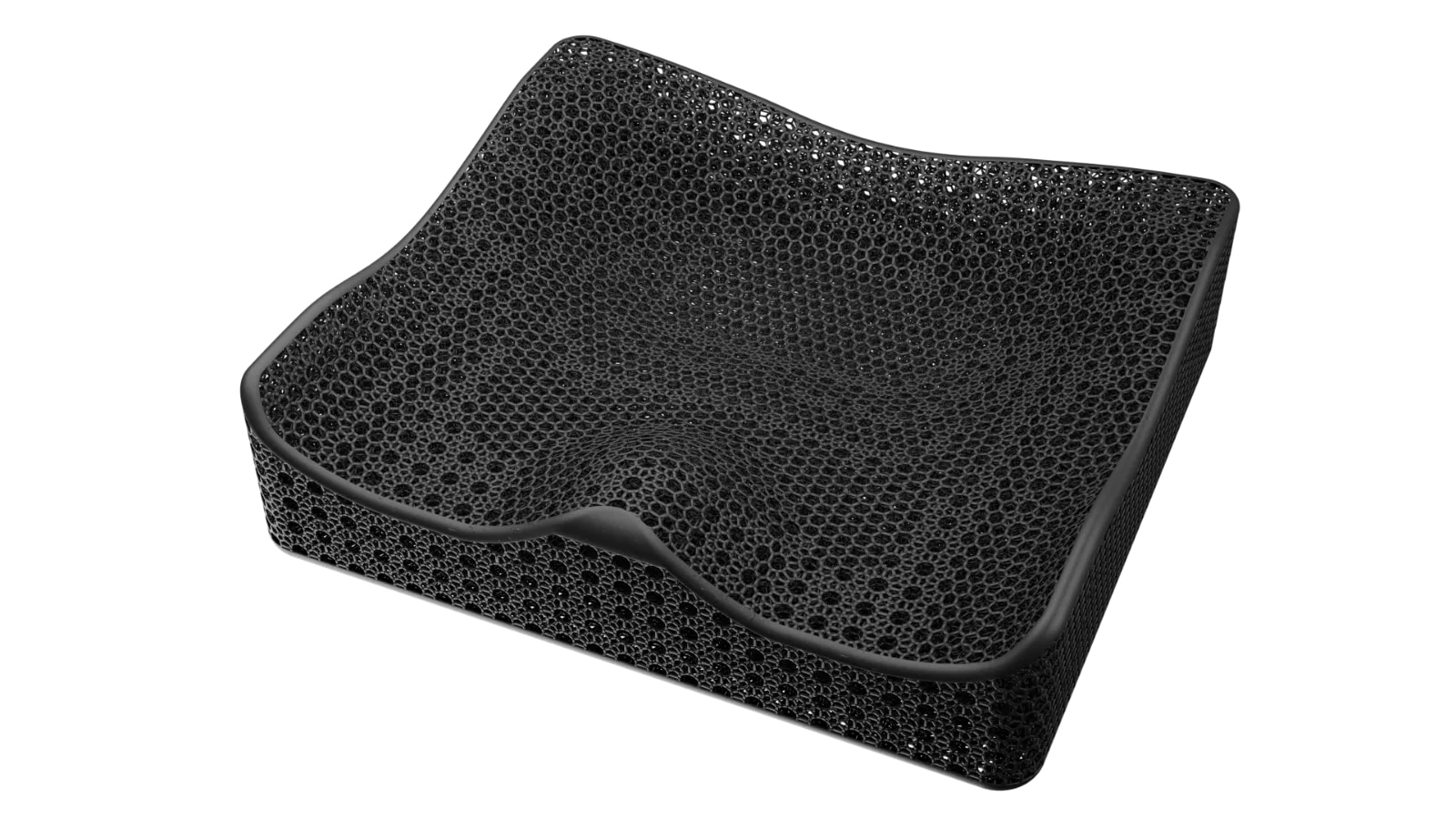
The flagship Verro Lattice model represents a pioneering application of Kalogon’s patent-pending variable-density lattice technology. This innovation utilizes a state-of-the-art 3D-printed elastomer construction, allowing for an unprecedented level of control over the cushion’s firmness across its entire surface. Strategically, the lattice is designed to be firmer in areas requiring robust postural stabilization and support, while simultaneously being softer in regions where pressure diffusion and relief are paramount. This dynamic firmness profile is a game-changer for pressure management and long-term comfort, particularly for users prone to pressure injuries. Beyond its structural benefits, the lattice construction also boasts superior breathability and temperature regulation, crucial factors for skin integrity and user comfort during extended periods of sitting.
Complementing the lattice variant is the Verro Foam model, which offers a robust dual-density construction. This option features a dense foam base for foundational support, topped with a softer foam layer designed for immediate comfort and pressure distribution. Verro Foam caters to clinicians who value the ability to perform in-field modifications and serves as an excellent solution for users who are new to contoured seating and require a degree of adaptability in their cushion.
A crucial aspect of the Verro line is its Medicare coding (E2609). This designation signifies that the Verro cushions meet specific medical necessity criteria, enhancing accessibility and affordability for eligible patients by facilitating reimbursement. All Verro cushions are meticulously manufactured in-house at Kalogon’s facility in Melbourne, Florida, ensuring stringent quality control and efficient production processes. The company prides itself on a remarkably swift turnaround, promising shipment within 14 days of order receipt – a significant improvement over typical industry lead times.
Chronology: From Concept to Customization
The journey to the Verro line is rooted in Kalogon’s established expertise in developing sophisticated seating solutions. While the initial article doesn’t detail Kalogon’s full history, the company has carved out a niche in the complex rehab technology (CRT) market by focusing on smart seating, implying a history of integrating technology with patient-centric design. This background likely laid the groundwork for understanding the nuanced needs of individuals with severe postural challenges.
The development of Verro appears to be a direct response to a persistent clinical challenge. As noted by Tim Balz, CEO and founder of Kalogon, the impetus came from "hearing from clinicians that their most complex patients were falling through the cracks." This feedback highlighted a critical void in the market: existing solutions were often inadequate for individuals with highly unique and severe postural deformities or asymmetries that necessitate truly bespoke support.
The conceptualization of Verro likely began with extensive research into biomechanics, pressure mapping, and advanced material science. The decision to pursue 3D printing for the lattice structure was a pivotal moment, representing a leap from traditional manufacturing limitations. This technology promised the ability to create complex geometries and variable material properties that are impossible with conventional foam molding or fabrication techniques. The patent-pending status of the variable-density lattice technology underscores years of research, development, and intellectual property investment.
The design phase would have involved close collaboration with rehabilitation professionals, seating specialists, and potentially end-users, ensuring that the technology translated into practical, clinically effective solutions. Prototyping and rigorous testing would have followed, validating the cushion’s ability to provide targeted support, relieve pressure, and maintain stability for a diverse range of complex seating needs.
The in-house manufacturing at Kalogon’s Melbourne, Florida facility represents a strategic decision to maintain tight control over the entire production pipeline, from design to delivery. This vertical integration is crucial for upholding quality standards, facilitating rapid iteration, and ensuring the promised 14-day turnaround time.
The official launch of Verro marks the culmination of this extensive development process, making these advanced custom cushions available to the wider CRT community. It signifies Kalogon’s commitment to pushing the boundaries of what’s possible in adaptive seating, moving beyond generalized solutions to truly individualized care.
Supporting Data: The Science Behind Personalized Support
The need for custom wheelchair cushions, particularly for individuals with complex postural challenges, is supported by extensive clinical evidence and biomechanical principles. Conditions like windswept posture, pelvic obliquity, and significant spinal asymmetry are not merely cosmetic; they directly impact an individual’s health, functional independence, and quality of life.
The Limitations of Standard Cushions:
Standard wheelchair cushions, while effective for many, often lack the precise contouring and differential support required for complex cases. These cushions typically offer uniform density or generalized contours, which can lead to:
- Pressure Ulcers: Insufficient pressure redistribution over bony prominences (ischial tuberosities, sacrum) is a leading cause of pressure injuries, which are painful, costly, and can lead to severe complications.
- Postural Collapse and Deformity Progression: Without targeted support, gravity and muscle imbalances can worsen existing deformities, leading to further spinal curvature, hip subluxation, and compromised organ function (e.g., respiratory, digestive).
- Reduced Functional Reach and Stability: Poor trunk and pelvic stability can limit a user’s ability to reach, perform daily tasks, and participate in social activities, thus diminishing independence.
- Discomfort and Pain: Improper seating can cause chronic pain, fatigue, and muscle spasms, significantly impacting a user’s overall well-being.
The Power of 3D Printing and Variable-Density Lattice:
Kalogon’s Verro Lattice directly addresses these limitations through its innovative use of 3D printing.
- Precision and Customization: 3D printing allows for the creation of intricate, patient-specific geometries based on a precise 3D scan of the user’s body. This means the cushion can perfectly mirror the user’s contours, providing intimate contact and support where needed.
- Variable-Density Lattice: This technology is a biomechanical marvel. Instead of a uniform material, the lattice structure can be designed with varying cell sizes, wall thicknesses, and material distribution. This allows for:
- Targeted Support: Firmer regions can be engineered to counteract postural deviations, stabilize the pelvis, and align the spine, effectively "holding the body in position."
- Localized Pressure Relief: Softer, more compliant regions can be designed over high-pressure areas, diffusing weight and minimizing shear forces, which are critical for preventing pressure ulcers.
- Enhanced Breathability and Temperature Regulation: The open lattice structure facilitates airflow, preventing heat and moisture buildup, a common problem with dense foam or gel cushions that can compromise skin health.
- Material Properties: The use of a specialized elastomer in the 3D-printed lattice offers durability, flexibility, and resilience, ensuring the cushion maintains its structural integrity and therapeutic properties over time.
The Role of Dual-Density Foam (Verro Foam):
While the lattice represents cutting-edge innovation, the Verro Foam model offers a valuable alternative rooted in established principles.
- Layered Support: The dense foam base provides foundational stability and prevents bottoming out, while the softer topper cradles the body, offering initial comfort and conforming to minor contours.
- Adaptability: Foam, by its nature, allows for easier in-field modifications by seating specialists. This is crucial for users whose needs might evolve or for those new to complex contoured seating, enabling fine-tuning after the initial fitting.
- Cost-Effectiveness and Familiarity: For some clinical scenarios, a high-quality dual-density foam solution offers an effective and potentially more familiar option for both clinicians and users.
Medicare Coding (E2609):
The E2609 Medicare code is specifically for "Custom Fabricated Wheelchair Cushion, Any Material, Any Size." This designation is critical as it recognizes the medical necessity and specialized nature of these cushions. For a cushion to qualify for this code, it must be individually designed, constructed, and fabricated to meet the specific needs of a particular patient. This ensures that beneficiaries with complex seating needs can access these vital devices, reducing out-of-pocket costs and improving healthcare equity. The inclusion of Verro under this code underscores its legitimacy as a medical device crucial for patient care.
Efficiency in the CRT Market:
Kalogon’s claim of shipping within 14 days is a significant differentiator. The CRT industry is often plagued by long lead times for custom equipment, sometimes extending to several months. Such delays can profoundly impact a patient’s rehabilitation, discharge planning, and overall well-being. A rapid turnaround means patients can receive their essential equipment faster, accelerating their progress and improving their quality of life sooner. This efficiency is likely facilitated by Kalogon’s in-house manufacturing capabilities and streamlined ordering process, including the "Launch Pad" configurator.
Official Responses: Voices from Kalogon and Clinical Advisors
The launch of Verro is accompanied by enthusiastic endorsements from Kalogon’s leadership and respected figures in the rehabilitation community, highlighting the profound impact this technology is expected to have.
Tim Balz, CEO and Founder of Kalogon, articulated the company’s mission and the problem Verro was specifically designed to solve: “We kept hearing from clinicians that their most complex patients were falling through the cracks, so we developed a technology that lets us 3D print the cushion with precise, localized control over where the body gets support and where it gets relief.” This statement underscores Kalogon’s commitment to responsive innovation, directly addressing unmet needs identified by frontline healthcare professionals. Balz further emphasized the transformative potential of their core technology: “With our variable-density lattice, we can create subtle variations across the surface and sides of the cushion that simply aren’t possible with traditional materials. The customization options are hyper-personalized to provide the best comfort, support and fit for every customer.” This highlights the unparalleled precision offered by 3D printing, enabling a level of individualized contouring that transcends the limitations of conventional manufacturing, ultimately leading to superior patient outcomes in terms of comfort, stability, and pressure management.
Kelly Waugh, MA, PT, ATP, and a key advisor to Kalogon, provided a crucial clinical perspective on the significance of Verro. Her expertise as a physical therapist and Assistive Technology Professional lends considerable weight to her assessment: “Every client is different, and seating specialists need options that reflect that. Verro gives us more ways to match the right solution to each unique person based on their postural support needs, personal preferences and desire for in-field modification.” Waugh’s comments eloquently capture the flexibility and comprehensive nature of the Verro line, acknowledging that a single solution rarely fits all complex cases. The availability of both the high-tech lattice and the adaptable foam options empowers clinicians to tailor their prescriptions more effectively. She concluded, “That flexibility will allow Kalogon to serve a much wider population of people with complex seating needs than before.” This statement speaks to the expanded reach and improved efficacy that Verro promises for a demographic that has historically struggled to find truly adequate seating solutions. Her insights affirm that Verro is not just a technological advancement but a practical tool that enhances the clinician’s ability to deliver optimal care.
The "Launch Pad" ordering system, an interactive real-time configurator, further exemplifies Kalogon’s commitment to empowering clinicians. Whether submitting a 3D scan for ultimate precision or selecting from a library of common contours for efficiency, the system is designed to streamline the process of obtaining a custom cushion, ensuring accuracy and reducing administrative burden.
Implications: A New Horizon for Complex Seating
The introduction of Kalogon’s Verro line carries significant implications for patients, clinicians, and the broader complex rehabilitation technology industry.
For Patients:
The most direct and profound impact of Verro will be on the lives of wheelchair users with complex seating needs. For individuals who have long struggled with discomfort, pain, and the risk of pressure injuries due to inadequate seating, Verro offers a new lease on life.
- Improved Quality of Life: Hyper-personalized support translates directly to enhanced comfort, reduced pain, and improved functional posture, allowing individuals to engage more fully in daily activities, work, and social interactions.
- Prevention of Secondary Complications: The precise pressure distribution and postural support provided by Verro Lattice significantly reduce the risk of debilitating pressure ulcers, a common and severe complication of prolonged sitting. This also helps prevent the progression of postural deformities and associated health issues (e.g., respiratory compromise, digestive problems).
- Enhanced Independence: By providing stable and supportive seating, Verro can improve trunk control, freeing up upper extremities for functional tasks and enhancing overall independence and mobility.
- Faster Access to Care: The rapid 14-day turnaround time means patients no longer have to endure lengthy waits for essential equipment, accelerating their rehabilitation journey and improving their immediate quality of life.
For Clinicians and Seating Specialists:
Verro provides rehabilitation professionals with powerful new tools to address their most challenging cases.
- Expanded Treatment Options: The dual offerings of lattice and foam provide clinicians with greater flexibility in prescribing, allowing them to precisely match the cushion to individual patient needs, preferences, and the potential for future modifications.
- Enhanced Clinical Outcomes: With the ability to provide truly customized and precise support, clinicians can achieve better postural alignment, superior pressure management, and more stable seating, leading to improved long-term patient outcomes.
- Streamlined Ordering: The "Launch Pad" configurator, whether through 3D scanning or contour selection, simplifies the complex process of ordering custom equipment, reducing errors and improving efficiency.
- Evidence-Based Practice: The technological advancements in Verro, particularly the variable-density lattice, align with principles of evidence-based practice by offering a scientifically designed solution to complex biomechanical problems.
For the Complex Rehabilitation Technology (CRT) Industry:
Verro sets a new benchmark for innovation in custom seating, pushing the boundaries of what is possible with advanced manufacturing.
- Technological Advancement: Kalogon’s patent-pending variable-density lattice technology showcases the transformative potential of 3D printing in medical device fabrication, inspiring further research and development across the industry.
- Market Disruption: The combination of hyper-personalization, advanced materials, and rapid turnaround times could disrupt traditional manufacturing and delivery models for custom seating, encouraging competitors to innovate.
- Increased Accessibility: The Medicare E2609 coding is crucial for making this advanced technology accessible to a wider population, ensuring that the most vulnerable patients can benefit from cutting-edge solutions.
- Future Outlook: This launch positions Kalogon as a leader in innovative seating solutions, suggesting potential for further advancements in adaptive equipment, perhaps integrating sensors or dynamic elements for even greater personalized care in the future.
In conclusion, Kalogon’s Verro line represents more than just a new product; it signifies a significant leap forward in the provision of personalized postural support. By combining cutting-edge 3D printing with thoughtful design and a deep understanding of clinical needs, Verro promises to transform the lives of individuals with complex seating challenges, offering them unprecedented comfort, stability, and the invaluable gift of enhanced independence. The future of custom wheelchair seating has arrived, and it is meticulously tailored.