Featured Buzz – January 11, 2026
The landscape of respiratory medicine is undergoing a profound transformation. As artificial intelligence (AI) matures from a theoretical research tool into a practical diagnostic powerhouse, clinicians are finding new ways to bridge the gap between routine screenings and life-saving interventions. From the bustling clinics of New York to the intensive care units of California, recent breakthroughs in diagnosing Chronic Obstructive Pulmonary Disease (COPD), managing neonatal respiratory failure, and curbing antibiotic overuse are signaling a new era of precision medicine.
I. AI-Enhanced ECGs: A New Frontier for Early COPD Detection
Chronic Obstructive Pulmonary Disease (COPD) remains one of the world’s most underdiagnosed conditions. Often dismissed as a "smoker’s cough" until advanced stages, the disease frequently goes undetected until significant lung function is lost. Now, researchers at the Mount Sinai Health System are proposing an unconventional solution: the humble electrocardiogram (ECG).
The Methodology
Traditionally used to monitor heart rhythm and detect ischemic disease, ECGs are ubiquitous in clinical settings. Mount Sinai investigators hypothesized that the electrical signatures of the heart, when analyzed through a deep-learning lens, might harbor subtle indicators of pulmonary structural changes.
To test this, the team curated a massive dataset of 208,231 ECGs from 18,225 patients with established COPD and 552,771 ECGs from a control group of 59,356 age-, sex-, and race-matched individuals. By feeding this data into a Convolutional Neural Network (CNN)—a type of AI model designed to recognize patterns in visual and spatial data—the researchers sought to train the machine to "see" the physiological impact of COPD within the heart’s electrical activity.
Implications and Clinical Reality
The study, published in eBioMedicine, suggests that while an ECG will never replace the gold-standard spirometry test, it serves as a highly pragmatic, low-cost screening tool.
"Earlier recognition may facilitate timely smoking cessation, targeted therapies, and pulmonary rehabilitation," the authors noted. By flagging high-risk individuals during routine cardiac screenings, the healthcare system could potentially slow disease progression before it becomes debilitating, significantly reducing the downstream burden on hospitals.
II. Neonatal Care: Lung Ultrasound as a Predictor of Extubation Success
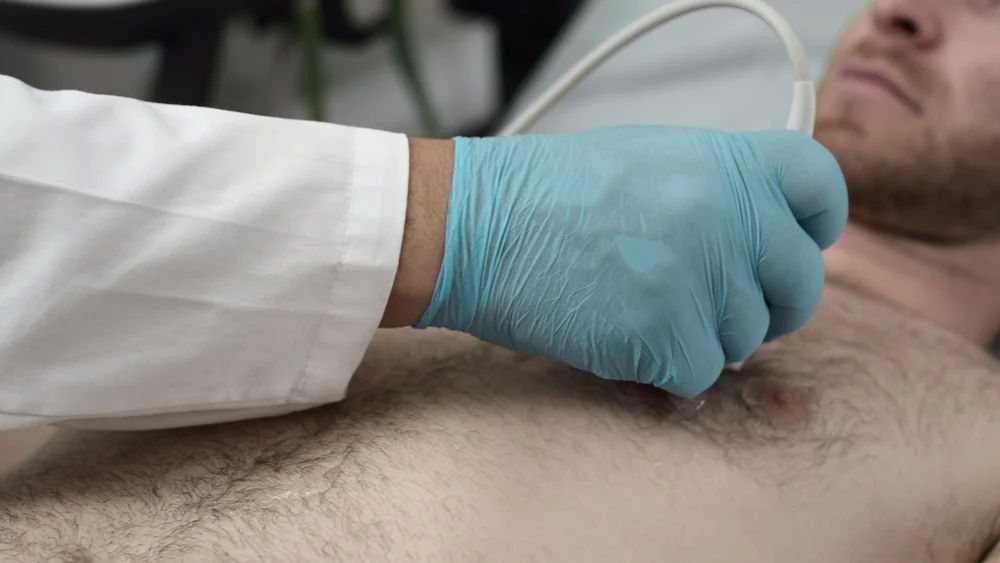
For very low birth weight (VLBW) infants, the transition from mechanical ventilation to independent breathing is a high-stakes clinical event. Failed extubation is associated with increased mortality, prolonged hospital stays, and developmental complications. Researchers at the University of Chicago have turned to point-of-care lung ultrasound (LUS) to provide a clearer window into this critical process.
The Chronology of the Study
The study followed 45 VLBW infants suffering from respiratory distress syndrome. Throughout their care, the team performed 53 extubation attempts. The protocol was precise: a lung ultrasound was conducted three to six hours prior to each attempt. The researchers utilized a neonatal-adapted LUS score to quantify lung aeration and fluid presence. A "failed extubation" was strictly defined as any infant requiring reintubation within seven days of the procedure.
Key Data and Findings
The results demonstrated that the LUS score acts as a highly sensitive predictor of whether an infant’s lungs are mature enough to handle the stress of extubation. Perhaps most surprisingly, the study clarified the role of dexamethasone in neonatal care, finding that it did not correlate with improved LUS scores, despite its common use in respiratory management.
This research, published in the Journal of Perinatology, provides clinicians with a non-invasive, radiation-free method to guide neonatal management, potentially sparing fragile infants from the trauma of failed extubation attempts and subsequent emergency procedures.
III. Combating Antibiotic Resistance: AI and Biomarkers in the ICU
The over-prescription of antibiotics in intensive care units (ICUs) is a global crisis, contributing to the rise of multi-drug resistant "superbugs." A collaborative effort from the University of California, San Francisco (UCSF), has unveiled an AI-driven diagnostic framework that could significantly curtail the inappropriate use of these life-saving drugs in cases of lower respiratory tract infections (LRTIs).
The Synergy of Biomarkers and Generative AI
The UCSF team developed a dual-layered diagnostic strategy. First, they identified the protein FABP4 in lung fluid samples. FABP4, which serves to temper lung inflammation, is expressed at significantly lower levels in infected cells compared to healthy ones, making it a reliable host-response biomarker.
The second layer involves a sophisticated Large Language Model (LLM) analysis. The AI processes a patient’s electronic medical record (EMR), including nuanced physician notes and complex chest X-ray radiology reports. By synthesizing the biomarker data with the clinical context provided by the AI, the model creates a comprehensive diagnostic snapshot.
Supporting Data and Official Responses
In an observational study of critically ill adults, the model achieved a 96% diagnostic accuracy rate, notably outperforming experienced ICU clinicians. The implications are staggering: the researchers estimate that integrating this tool could reduce inappropriate antibiotic prescriptions by more than 80%.
"This study suggests that integrating a host biomarker with large language model analysis can improve LRTI diagnosis in critically ill adults," the authors wrote in Nature Communications. The team is currently moving toward validating this model for broader clinical use and is exploring how the architecture can be adapted to detect the onset of sepsis—a condition where every minute of accurate diagnosis counts.
IV. The Broader Implications: A Future Defined by Digital Health
The common thread connecting these three studies is the shift from reactive to proactive, data-driven medicine.
The Pragmatic Shift
In the past, medical innovation often required expensive new hardware or invasive procedures. Today, the most promising advancements are coming from the "re-purposing" of existing clinical workflows:
- ECGs are already in every hospital; AI makes them smarter.
- Ultrasounds are already at the bedside; neonatal-specific scoring makes them more predictive.
- EMR data is already being collected; generative AI makes it actionable.
The Human Element
Despite the enthusiasm for AI, the researchers involved in these studies are careful to define the technology’s role as an assistant rather than a replacement. The goal is to provide physicians with a "second opinion" that is capable of analyzing millions of data points in seconds—a feat no human brain can replicate.
Looking Forward
As these technologies move from peer-reviewed journals to hospital floors, the focus will shift to integration and interoperability. The UCSF team’s mention of a "HIPAA-compliant GPT-4 interface" is particularly telling; it signals a future where clinicians can interact with complex medical data using natural language, making advanced diagnostics as intuitive as a search engine.
However, challenges remain. Issues regarding algorithmic bias, the "black box" nature of neural networks, and the need for rigorous, ongoing validation are at the forefront of the medical community’s agenda. Nevertheless, the results published in eBioMedicine, the Journal of Perinatology, and Nature Communications serve as a clarion call: the integration of AI into respiratory diagnostics is no longer a distant vision—it is an immediate, life-saving reality.
As we move further into 2026, the healthcare sector is poised to witness how these digital tools will reshape patient outcomes, reduce the burden of chronic disease, and preserve the efficacy of our most precious medical resource: antibiotics. The transition is complex, but the data suggests that for patients with lung disease and infections, the future of care is looking brighter—and significantly more precise.