In an era where the lines between professional obligations and personal caregiving duties have become increasingly blurred, the necessity for structured support systems has never been more critical. As we observe both National Work-Family Month and National Emotional Wellness Month this October, the conversation surrounding the "sandwich generation"—those balancing the needs of aging parents, children, and professional careers—has reached a fever pitch.
In the latest installment of her podcast, host and renowned gerontologist Sherri Snelling brings together industry leaders and legal experts to dissect the shifting landscape of caregiving. From the integration of "brainspan" programs in the workplace to the emergence of the Chief Longevity Officer, this episode serves as a comprehensive roadmap for navigating the modern caregiving experience.
The Evolving Landscape of Workplace Caregiving
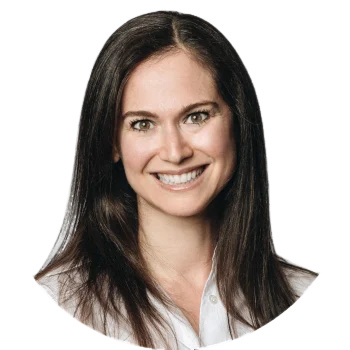
Insights from Jill McNamara, Care.com
The modern workplace is undergoing a seismic shift. According to data cited by Jill McNamara, who leads the Senior Care team at Care.com, approximately one in three employees are currently serving as caregivers for loved ones. Perhaps most tellingly, one in five employees is tasked with the care of an adult or older family member.
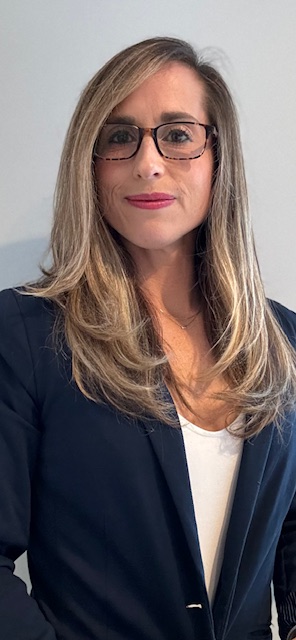
These statistics are not merely HR metrics; they represent a significant economic and productivity challenge for employers. During the episode, McNamara unveiled results from two annual surveys conducted by Care for Business. These surveys analyzed the growing gap between employee needs and the support structures currently offered by corporations.
Breaking News: The Rise of Care Navigation
In a significant announcement for listeners, McNamara introduced a new service within the Care.com solutions suite: Care Navigation. For years, caregivers have identified "guidance and navigation" as their number one pain point. Navigating the fragmented healthcare system—finding the right home health aid, understanding insurance complexities, and coordinating medical appointments—is an exhausting process. This new initiative aims to provide a centralized concierge service to guide families through these bureaucratic hurdles, effectively reducing the administrative burden on the employee.
Spiritual Resilience: Finding Strength in the Caregiving Journey
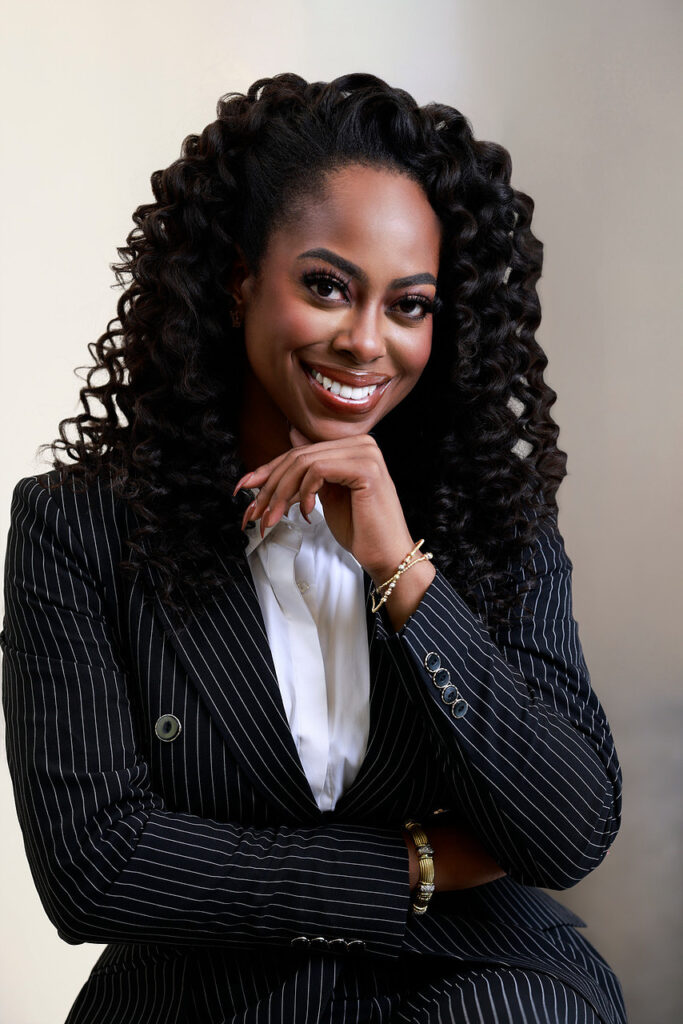
A Conversation with Chanel T. Rowe, Esq.
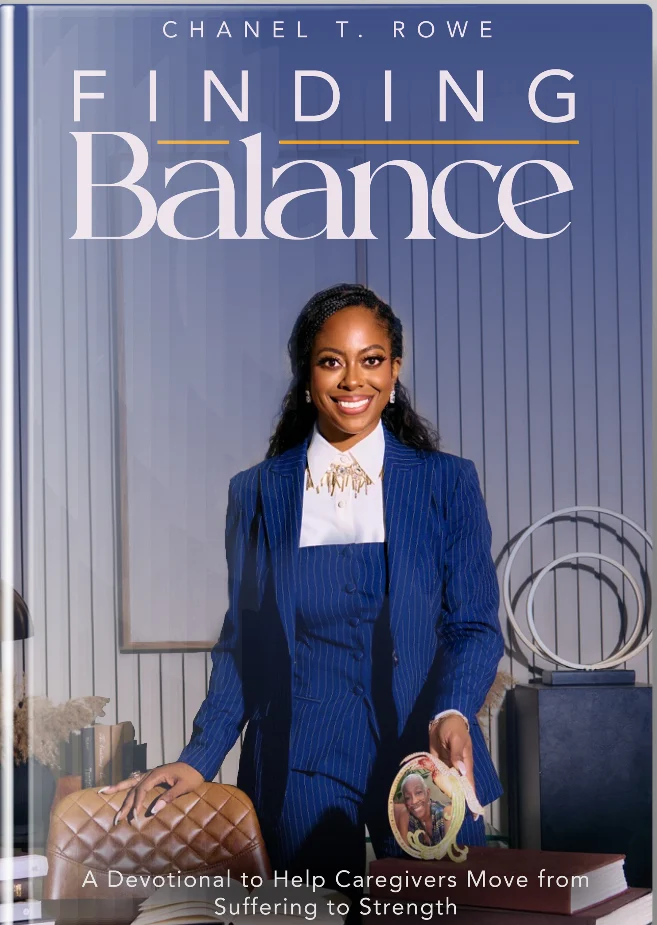
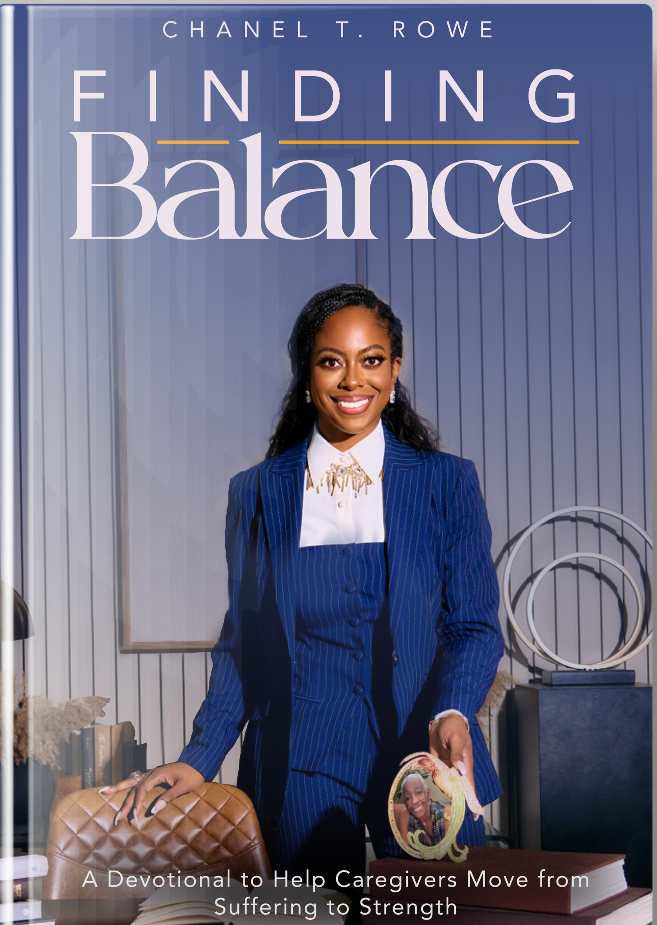
Caregiving is often viewed through the lens of logistics, but the emotional and spiritual toll is frequently overlooked. Chanel T. Rowe, an award-winning attorney and author, joined the program to discuss her latest work, Finding Balance: A Devotional to Help Caregivers Move From Suffering to Strength.

Rowe’s career is a testament to high-performance achievement. Having served as Senior Counsel at Johnson & Johnson and having worked with the U.S. Securities and Exchange Commission, she is no stranger to high-pressure environments. However, her most profound challenge began when she became a primary caregiver for her mother, who lives with a rare disease.
"Finding balance is not about doing less; it is about grounding yourself in a spiritual foundation that allows you to weather the storm," Rowe explains. During the discussion, she offers practical strategies for professionals to "keep calm and carry on," emphasizing that emotional wellness is not a luxury—it is a functional requirement for long-term caregiving success.
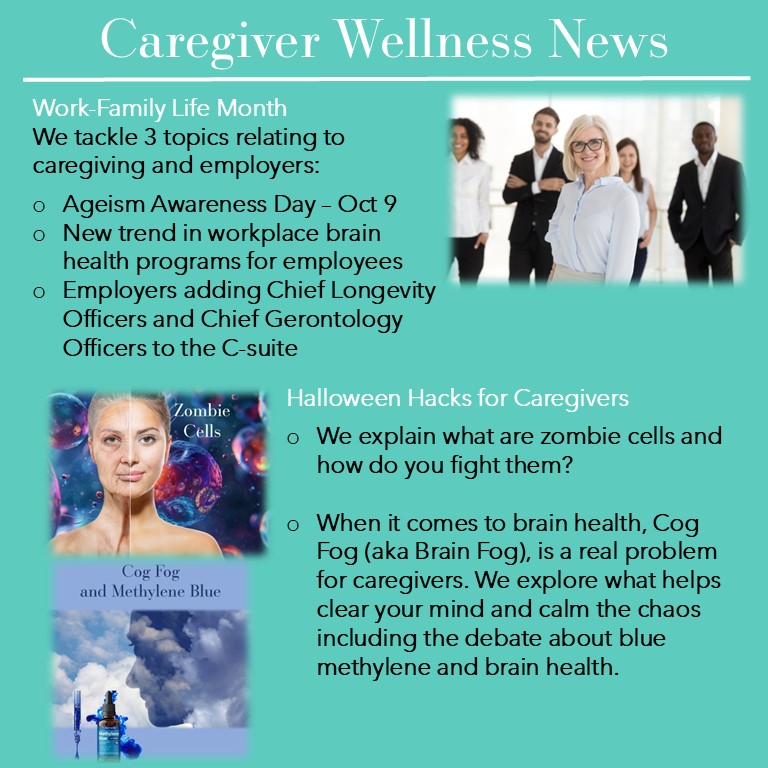
Caregiver Wellness News: Brain Health and Longevity
The "Brainspan" Movement
A burgeoning trend in corporate wellness is the shift toward "brainspan"—a metric that goes beyond traditional lifespan to focus on cognitive longevity. Employers are increasingly implementing programs designed to maintain employee brain health, recognizing that cognitive fog is a silent productivity killer. By prioritizing brain health, organizations are seeing improved outcomes, with some CEOs noting that these programs have become a cornerstone of their broader emotional health strategy.
Ageism and the Chief Longevity Officer
As the global population ages, ageism in the workplace remains a pervasive issue. Sherri Snelling highlights Ageism Awareness Day (October 9), urging both employers and employees to confront the biases that persist in professional settings.
One of the most exciting developments is the emergence of the Chief Longevity Officer (CLO) or Chief Gerontology Officer. These executives are tasked with ensuring that products, office environments, and company policies are designed with an aging workforce in mind. This is not just a trend; it is a structural necessity for any company hoping to retain institutional knowledge in a society where people are living and working longer than ever before.
Addressing "Zombie Cells" and Cognitive Fog
In a nod to the Halloween season, Snelling addresses two "scary" but scientifically grounded topics: "Zombie Cells" (senescent cells that accumulate and contribute to aging) and "Cog Fog." The discussion delves into the debate surrounding Methylene Blue as a potential intervention for brain health. While the scientific community remains divided, interest in the substance as a neuro-protective agent continues to grow, with experts like neuroscientist Andrew Huberman and behavioral analyst Chase Hughes weighing in on its efficacy and potential risks.
Environmental and Social Wellness: The Well Home Design
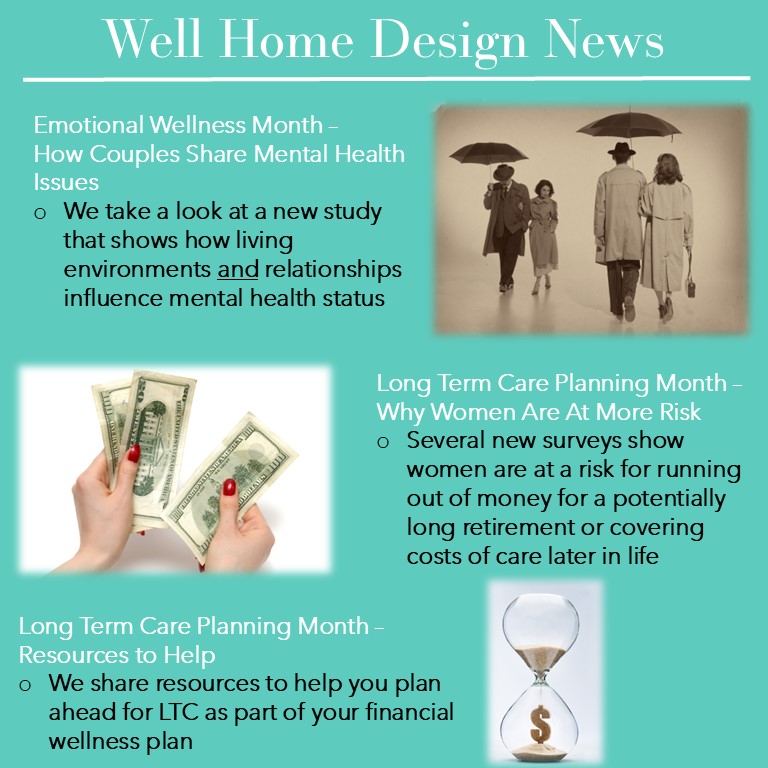
The impact of our immediate environment on our mental health cannot be overstated. Snelling references a recent study indicating that spouses who live together share a deep "mental health connection," which underscores the importance of the home environment.
Financial Resiliency for Solo Agers
October is Long-Term Care Planning Month, a time to shift focus toward financial wellness. Data from AARP suggests that "solo agers"—individuals without a spouse or children to rely on for care—are at significant financial risk.
Snelling emphasizes the need for proactive planning. "Financial wellness is a pillar of overall health," she notes. She recommends utilizing resources like the Elder Care Locator and the Benefits Check-up tool provided by the National Council on Aging. These resources are designed to help older adults identify potential subsidies, tax breaks, and care planning strategies that can secure their financial future.
Implications for the Future
The integration of these topics—workplace support, spiritual resilience, brain health, and home design—paints a picture of a more holistic approach to aging and caregiving. The implications for society are clear:
- Employers must pivot: Those who fail to provide comprehensive caregiving benefits will face higher turnover and lower employee engagement.
- Professionalism requires self-care: High-achievers, like Chanel T. Rowe, are proving that acknowledging the struggle of caregiving is the first step toward overcoming it.
- Environmental awareness: Home design and the "vibrational energy" of our living spaces are direct contributors to our long-term health outcomes.
- Proactive planning: Whether it is long-term care insurance or cognitive health maintenance, the "wait and see" approach is no longer viable in a longevity-focused economy.
Resources for the Journey
For those seeking further guidance, Sherri Snelling offers a wealth of "Self-Care in 7 Minutes" video solutions, accessible via the Caregiving Club YouTube channel. These short, actionable hacks are designed to help caregivers integrate wellness into even the busiest of schedules.
Key Resource Links:
- Care.com: For professional caregiving solutions and senior care navigation.
- Chanel T. Rowe, Esq.: To pre-order Finding Balance.
- Elder Care Locator: For federal, state, and local resources.
- Benefits Check-up: To maximize financial aid and support.
- Cost of Care Survey: To understand the economic landscape of long-term care.
As we continue through October, let these conversations serve as a reminder: you are not alone in your caregiving journey. By utilizing the tools of the modern "brain economy," leaning into spiritual resilience, and planning for the long-term, caregivers can transform their experience from one of mere survival to one of strength and sustainable health.