










For millions of adults worldwide, the nightly struggle with Obstructive Sleep Apnea (OSA) is a significant health burden. Characterized by repeated airway collapses during sleep, OSA disrupts breathing patterns and prevents restful, restorative cycles. As the medical community deepens its understanding of the link between weight and sleep, a new class of medications—Glucagon-like peptide-1 receptor agonists (GLP-1s), such as Ozempic, Wegovy, and Zepbound—has emerged as a potential game-changer.
However, as these drugs surge in popularity, patients are increasingly asking: Will insurance cover these medications for sleep apnea? The answer is nuanced, requiring an understanding of FDA indications, insurance formularies, and the physiological connection between metabolic health and respiratory function.
The Physiological Connection: Weight and Airway Health
Obstructive sleep apnea is primarily mechanical in nature. When a person sleeps, the muscles in the throat relax. For those with excess tissue in the neck area—often a direct result of being overweight or having obesity—this relaxation can lead to a partial or total blockage of the airway. These "apneic events" can last anywhere from 10 to 30 seconds, forcing the brain to trigger a brief awakening to restart breathing.
The Data Behind the Connection
The correlation between BMI and OSA is profound. Clinical data indicates that approximately 31% of individuals with OSA suffer from obesity, while another 44% are categorized as overweight. Because excess adipose tissue around the neck and abdomen contributes directly to airway constriction and decreased lung capacity, weight management has long been the gold-standard recommendation for long-term OSA mitigation.
Research has shown that weight loss is not merely an aesthetic goal but a clinical intervention for sleep health. One study review highlighted that a 20% decrease in Body Mass Index (BMI) resulted in a 57% reduction in sleep apnea symptom severity. By reducing the mass surrounding the pharyngeal airway, patients often experience fewer breathing pauses and improved oxygen saturation levels throughout the night.
Chronology of GLP-1 Development and FDA Status
The landscape of weight-loss medication has shifted rapidly over the last several years. To understand how these drugs apply to sleep apnea, it is necessary to differentiate between their various FDA-approved uses.

- Pre-2020: GLP-1 agonists were primarily utilized for the management of Type 2 diabetes, with weight loss often observed as a positive side effect.
- 2021–2023: Drugs like Wegovy (semaglutide) and Zepbound (tirzepatide) received FDA approval specifically for chronic weight management, leading to widespread off-label use of similar drugs like Ozempic.
- 2024: A milestone was reached when the FDA officially approved tirzepatide (Zepbound) for the treatment of moderate-to-severe OSA in adults with obesity. This marked the first time a weight-loss medication was officially recognized for its therapeutic efficacy in improving sleep-disordered breathing.
It is critical for patients to understand that while Ozempic is a GLP-1, it is not currently FDA-approved for sleep apnea or weight loss. It is indicated exclusively for Type 2 diabetes. This distinction is the primary reason why insurance companies often deny coverage for Ozempic when the listed diagnosis is sleep apnea.
Insurance Realities: Coverage, Denials, and Appeals
The financial barrier to accessing these medications is significant. Without insurance, costs can exceed $500 to $1,000 per month. Even with insurance, coverage is far from guaranteed.
Why Denials Happen
Insurance plans operate on strict "formularies," or lists of covered medications. If a drug is not FDA-approved for a specific condition, the insurance company is under no obligation to cover it. Because Ozempic is not indicated for OSA, a claim submitted with a primary diagnosis of sleep apnea is almost universally rejected.
Navigating the "Off-Label" Hurdle
Doctors may prescribe medications "off-label," but insurers generally maintain a firm policy against paying for these uses unless specific clinical criteria are met. However, there is a pathway:
- Comorbidities: If a patient has OSA and Type 2 diabetes, they may be eligible for Ozempic coverage under the diabetes indication.
- Medical Necessity: If a patient is prescribed Zepbound (which has the OSA indication), the insurer may still require a "prior authorization." This often involves proving the patient has a specific BMI, has attempted CPAP therapy without success, or has participated in a structured, physician-led weight loss program.
The Appeals Process
A denial is not necessarily the final word. Patients have the right to file an internal appeal. By working with a healthcare provider to document "medical necessity"—proving that the medication is essential to treat a condition that traditional therapies have failed to resolve—patients can sometimes overturn a denial. If an internal appeal fails, many insurance plans offer an "external review," where an independent third party evaluates the clinical evidence for the requested medication.
Supporting Data: Comparing Efficacy
Not all GLP-1s perform identically regarding respiratory outcomes. Clinical trials comparing various agents have shown that tirzepatide (Zepbound) often yields more robust improvements in OSA severity compared to older GLP-1s like liraglutide (Saxenda).
Trials assessing tirzepatide have demonstrated:
- Significant reductions in the Apnea-Hypopnea Index (AHI): This metric measures the number of times breathing stops or slows during an hour of sleep.
- Secondary Health Improvements: Beyond breathing, users frequently see a reduction in systemic blood pressure and a decrease in daytime sleepiness, both of which are critical factors in the long-term health of someone with sleep apnea.
Implications for Future Treatment
The integration of pharmacotherapy into the treatment of sleep apnea represents a shift from "symptom management" (using a CPAP machine to force air into the airway) to "root cause management" (addressing the metabolic factors contributing to the obstruction).
A Multifaceted Approach
While medications show promise, they are not a replacement for lifestyle medicine. Medical guidelines continue to emphasize the importance of a calorie-conscious diet and regular physical activity. For those looking to manage their weight without the assistance of GLP-1s, the following remains effective:
- Caloric Deficits: Consistent, long-term tracking of intake versus output.
- Exercise: The Department of Health and Human Services recommends 150–300 minutes of moderate-intensity exercise weekly. Resistance training is particularly valuable for metabolic health, as increased muscle mass helps maintain a higher metabolic rate even at rest.
What to Do Next
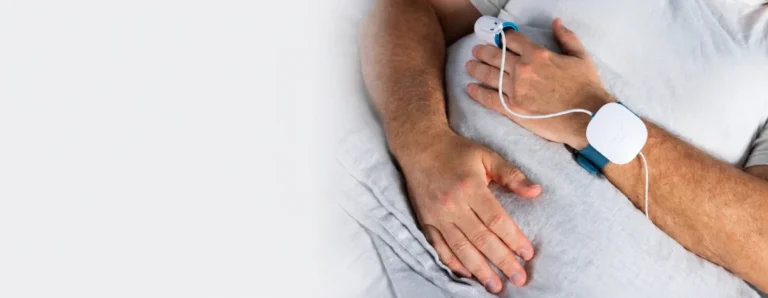
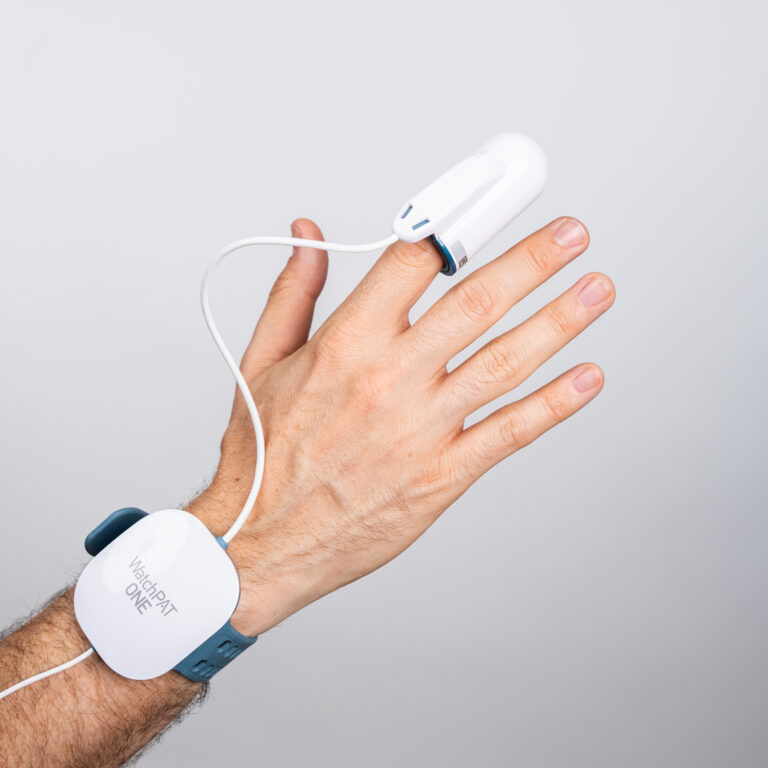
If you suspect you have sleep apnea, the first step is a formal diagnosis. Many patients today use home sleep tests to gather preliminary data. Once a diagnosis is confirmed, engage in an open conversation with your healthcare provider about your options.
- Check your formulary: Visit your insurance provider’s website to see which GLP-1s are listed.
- Contact Member Services: Call the number on your insurance card to ask specifically about the requirements for coverage of Zepbound or other weight-loss medications.
- Prepare Documentation: If you have tried CPAP therapy and found it intolerable, document these attempts. This is often a prerequisite for insurance to consider alternative treatments like GLP-1s.
Frequently Asked Questions
Does Medicare cover GLP-1s for sleep apnea?
Medicare coverage for weight-loss drugs is historically limited. While Zepbound has gained traction, coverage is not universal. Patients should verify with their specific Part D or Medicare Advantage plan, as copays can vary significantly.
How much does the medication cost if insurance denies it?
Prices fluctuate, but without insurance, Ozempic and similar medications often range between $450 and $1,000 monthly. Patients should always ask their pharmacy about manufacturer savings programs or coupons, though these are often unavailable to those with government-funded insurance.

How long does an insurance authorization typically last?
Initial authorizations are often valid for six months. Renewals are typically granted based on proof of progress, such as a documented reduction in BMI or improved AHI scores, confirming that the treatment is effective.
Is it safe to stop using a CPAP machine if I start a GLP-1?
Never discontinue prescribed sleep apnea treatment without consulting your physician. Even if you lose significant weight, your doctor must perform a follow-up sleep study to determine if your AHI has dropped to a level where the CPAP machine is no longer medically necessary.
Medical Disclaimer: The content on this page is for informational purposes only and should not be taken as medical advice or used as a recommendation for any specific treatment. Always consult with a qualified healthcare provider before starting or changing any medication or treatment plan for sleep apnea.