










The intersection of medical precision and consumer-centric design has reached a new zenith. In the 2026 Red Dot Awards—one of the world’s most prestigious industrial design competitions—the sleep technology sector emerged as a dominant force. From decentralized polysomnography to neurostimulation headbands and ultra-comfortable CPAP interfaces, the recognition of these devices signals a profound shift in how we approach the diagnosis and treatment of sleep disorders.
As sleep medicine moves out of the clinical laboratory and into the comfort of the home, the primary challenge for manufacturers has been bridging the gap between medical efficacy and daily user compliance. The 2026 Red Dot winners prove that the future of sleep health is not just about clinical data; it is about the "quality of use"—the seamless integration of technology into the intimate rhythms of human rest.
The 2026 Red Dot Awards: A Benchmark for Excellence
Established in 1955, the Red Dot Design Award has long served as the global "gold standard" for product innovation. With entries spanning over 60 countries and a jury of 40 independent, cross-disciplinary experts, the competition does not merely look for aesthetic appeal. It evaluates products based on four rigorous pillars: the quality of function, the quality of seduction (emotional resonance), the quality of use (usability), and the quality of responsibility (sustainability and ethical design).
In 2026, the sleep medicine category stood out by demonstrating that medical devices no longer need to look or feel like clinical equipment. By prioritizing user comfort and intuitive interaction, companies like Onera Health, ResMed, and Somnee have redefined what it means to be a "patient" in the modern era.
Onera Health and the Decentralization of Diagnostics
The most significant hurdle in diagnosing sleep disorders—such as obstructive sleep apnea (OSA)—has historically been the "lab-based" requirement. Traditional polysomnography (PSG) involves spending the night in a clinical facility, tethered to a multitude of wires and monitored by technicians. This environment is often alienating, frequently leading to the "first-night effect," where patients sleep poorly, potentially skewing diagnostic results.
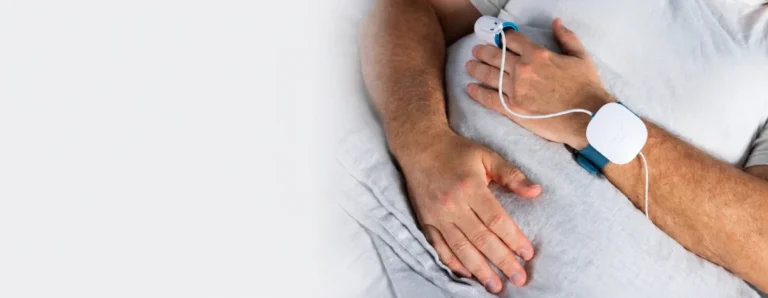
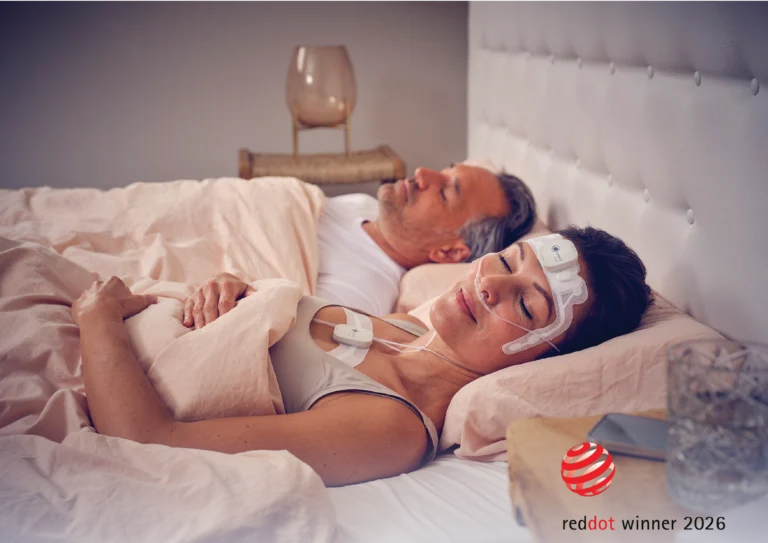
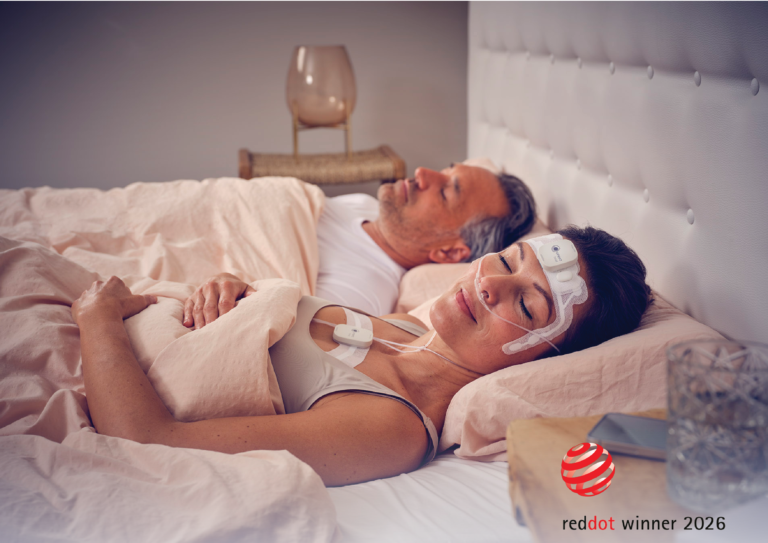
Onera Health’s recognition for its hPSG sensors marks a pivotal moment in this shift. The system replaces the bulky apparatus of traditional PSG with a wireless, patch-based solution. These sensors integrate sophisticated electronics directly into the patch, allowing for full, clinical-grade data collection without the need for a centralized clinic.
Chronology of Innovation
- Early 2020s: Rise of wearable health trackers and consumer-grade sleep monitors.
- 2024-2025: Rapid development of "patch" technology that moves beyond heart rate and SpO2 to capture neurological data.
- 2026: Onera Health receives its third Red Dot Award, solidifying the industry’s pivot toward the "Home Sleep" model.
According to Ruben de Francisco, founder and CEO of Onera Health, this third win is a testament to the team’s persistence. "Bringing PSG home is not just about convenience; it is about getting a true, representative picture of a patient’s sleep health," de Francisco noted. "This recognition inspires us to continue creating products that exceed expectations."
ResMed: The Human-Centric Approach to CPAP Therapy
Continuous Positive Airway Pressure (CPAP) therapy has long been the "gold standard" for treating sleep apnea, but it has also been plagued by notoriously high attrition rates. The discomfort of wearing a mask while trying to sleep has led many patients to abandon treatment.
ResMed’s AirTouch F30i full-face mask was recognized in the Innovative Design category for its successful attempt to humanize a traditionally clinical device. The jury highlighted the mask’s "thoughtful selection of materials," specifically its fabric-wrapped frame, which minimizes skin irritation and creates a softer interface between the mask and the face.
The Philosophy of Comfort
Justin Leong, Chief Product Officer at ResMed, emphasizes that the design process started with a single question: "How do we make therapy something people look forward to wearing?" The result is a mask that balances performance—maintaining the seal necessary for effective therapy—with the tactile, "soft-touch" requirements of a user who is trying to rest. This focus on the "patient experience" has become the blueprint for modern medical device design.
Somnee: The Rise of Neurotechnology
Perhaps the most futuristic entry in the 2026 awards is the Somnee Smart Sleep Headband. While CPAP treats the airway and PSG monitors the physiology, Somnee targets the brain itself.
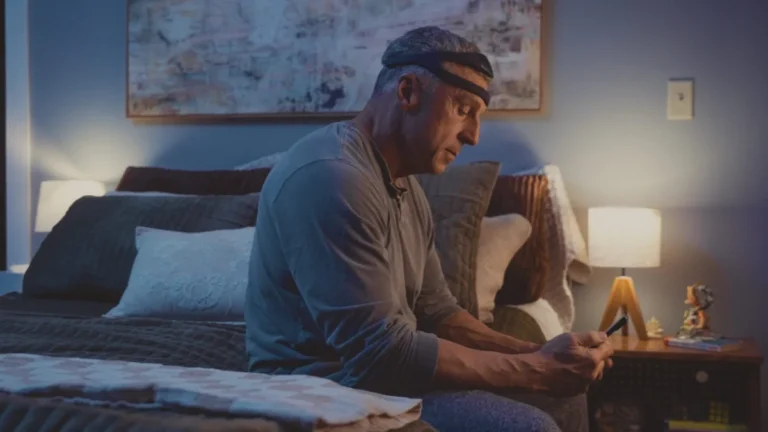
The headband integrates clinical-grade EEG (electroencephalography) technology into a wearable format. Unlike standard trackers that merely observe, the Somnee device uses hydrogel electrodes to record neural activity and provide personalized neurostimulation. This, combined with AI-driven analysis, creates a closed-loop system that helps users transition into sleep faster and stay asleep longer.
The jury lauded the device for its ability to translate complex, often intimidating neuroscientific findings into a form factor that is comfortable enough for all-night wear. It represents a transition from "passive monitoring" to "active intervention."
Supporting Data: The Broader Landscape of Sleep Tech
The 2026 Red Dot winners are not isolated success stories; they represent a surge of innovation across the global market. Other notable products honored this year included:
- SynAura CPAP (Hefei Synaire Medical Technology Co): A rising contender in the respiratory therapy space.
- RXiBreeze+ APAP and PAP systems (Resvent Medical Technology Co Ltd): Highlighting the continued evolution of automated positive airway pressure technology.
The collective impact of these devices is clear: sleep medicine is no longer a reactive field confined to hospital walls. It is becoming an integrated, proactive part of the consumer’s lifestyle.
The Implications: Why Design Matters in Medicine
Why does a "design award" matter in the context of life-saving medical treatment? The answer lies in adherence.
In chronic disease management, the efficacy of a treatment is irrelevant if the patient does not use it. By winning awards for design and usability, these companies are signaling that the future of healthcare is rooted in psychological and ergonomic empathy.
- Reduced Barrier to Entry: When a sleep test is as simple as applying a patch, patients are more likely to seek a diagnosis, leading to earlier intervention.
- Improved Long-term Compliance: When a CPAP mask feels comfortable, patients are more likely to stick with their therapy, significantly reducing the long-term health risks associated with untreated sleep apnea, such as hypertension, stroke, and diabetes.
- Data-Driven Customization: With AI-integrated devices like the Somnee headband, treatment becomes personalized. The data collected at home is more nuanced than that gathered in a sterile lab, allowing for more precise adjustments to a patient’s health plan.
Conclusion: A New Era of Restful Living
The 2026 Red Dot Awards have illuminated a fundamental truth: technology in medicine is at its best when it disappears. The most successful innovations of the year—whether they are diagnostic sensors, air-pressure masks, or neurostimulation headbands—share a common trait: they respect the user’s need for comfort, dignity, and autonomy.
As we look toward the future, the integration of AI, miniaturized sensors, and patient-first industrial design will likely continue to blur the lines between clinical medicine and everyday life. For the millions of people struggling with sleep disorders, these advancements offer more than just a certificate or a trophy; they offer the promise of a better night’s sleep and, by extension, a significantly higher quality of life. The 2026 Red Dot winners have set a high bar, challenging the industry to prove that medical necessity and superior design are not just compatible—they are, in fact, inseparable.