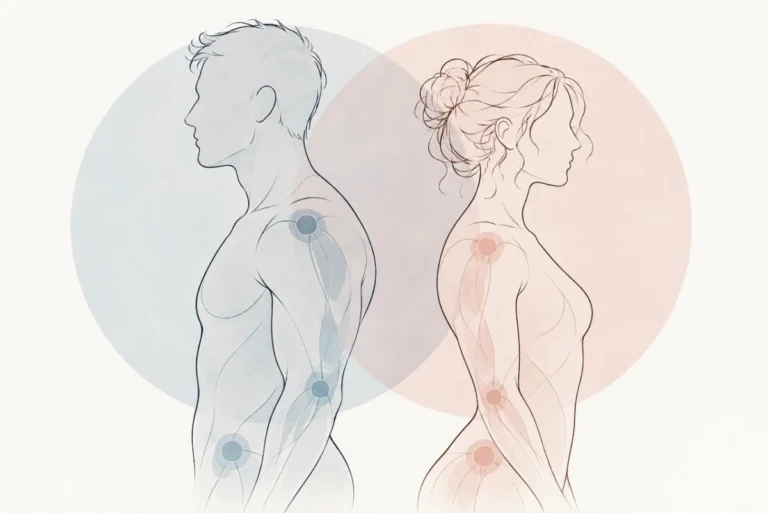
Receiving a diagnosis of Ehlers-Danlos syndrome (EDS) or a Hypermobility Spectrum Disorder (HSD) can feel like standing at the edge of an uncharted wilderness. For many, the journey to a diagnosis is a grueling, multi-year odyssey through doctor’s offices, misdiagnoses, and mounting physical frustration. Once the label is finally applied, the relief of knowing "what is wrong" is often quickly eclipsed by a daunting question: "What now?"
As awareness grows during Ehlers-Danlos Syndromes and Hypermobility Spectrum Disorders Awareness Month, it is time to shift the narrative from confusion to empowerment. By synthesizing personal experience with the evolving medical consensus, we can build a roadmap for those currently navigating the complexities of these connective tissue disorders.
Disclaimer: The following information is for educational purposes only and does not constitute professional medical advice, diagnosis, or treatment. Always consult with a qualified healthcare provider regarding your specific medical condition.
Understanding the Landscape: What is EDS?
Ehlers-Danlos syndrome is a collection of 13 distinct, inherited genetic disorders that primarily affect the body’s connective tissue. Because connective tissue serves as the biological "glue" that holds the body together—providing strength and elasticity to skin, tendons, ligaments, blood vessels, and organs—a defect in this tissue can have systemic, far-reaching consequences.
The Diagnostic Breakdown
- Hypermobile EDS (hEDS): Accounting for approximately 90% of all cases, hEDS is the most prevalent subtype. Currently, it remains a clinical diagnosis, as there is no specific genetic test available to identify it.
- Classical EDS (cEDS) and Vascular EDS (vEDS): These are the next most common types, characterized by specific skin hyperextensibility and, in the case of vEDS, significant risks regarding arterial and organ fragility.
- Hypermobility Spectrum Disorders (HSD): This category captures patients who exhibit significant joint hypermobility and instability but do not meet the full diagnostic criteria for a specific type of EDS. While distinct in classification, the management strategies for HSD often mirror those used for EDS.
A Chronology of Care: The Diagnostic Struggle
For many, the onset of symptoms begins in childhood or adolescence, yet the "official" diagnosis often doesn’t arrive until middle age. This gap in care is a significant issue within the medical community.
- Early Symptoms: Patients often report chronic pain, frequent joint subluxations (partial dislocations), and unexplained fatigue.
- The Misdiagnosis Phase: Because EDS is systemic, it frequently masquerades as other conditions. It is common for patients to be told they have fibromyalgia, chronic fatigue syndrome (ME/CFS), rheumatoid arthritis, or even psychiatric conditions like Munchausen syndrome.
- The Turning Point: A diagnosis is typically confirmed by a geneticist or a specialist familiar with collagen-related disorders. This process may involve genetic testing to rule out other subtypes or, in some cases, a skin biopsy to analyze connective tissue structure.
- Acceptance and Strategy: Once diagnosed, the focus must shift from searching for a name to developing a multidisciplinary management plan.
Supporting Data and Comorbidities
The complexity of EDS stems from the ubiquity of connective tissue. When this tissue is compromised, it often leads to a cascade of comorbid conditions. Understanding these associations is vital for patient advocacy and effective treatment.
Common comorbid conditions often include:
- Dysautonomia: Specifically Postural Orthostatic Tachycardia Syndrome (POTS), which causes lightheadedness and heart rate spikes upon standing.
- Mast Cell Activation Syndrome (MCAS): An immune condition that can lead to allergic-type reactions to various environmental triggers.
- Neurological Concerns: Including Chiari I malformation, craniocervical instability, and tethered cord syndrome.
- Gastrointestinal Issues: Ranging from motility disorders to chronic inflammation.
Strategic Management: A Proactive Approach
1. Physical Activity and Muscular Support
The paradox of EDS is that while joints are unstable, they must be supported by strong muscles. Physical therapy is not just an option; it is the cornerstone of management. The Muldowney Protocol—a specialized approach to physical therapy designed specifically for EDS patients—is frequently recommended to safely strengthen the muscles surrounding fragile joints without causing injury. Low-impact activities such as swimming and stationary cycling are generally safer than high-impact sports.
2. Cardiovascular Regulation
Managing POTS and low blood pressure requires careful attention to hydration and electrolyte balance. Increasing salt intake (under medical supervision) and using compression garments can help maintain blood volume and prevent the symptoms of dysautonomia.
3. Orthopedic Considerations and Surgery
When conservative management fails, surgery may be considered. However, patients with EDS must be wary: standard surgical techniques that rely on the patient’s own tissue may fail due to poor collagen integrity. Surgeons should be explicitly asked about the use of cadaver tendons or other reinforcing materials to ensure that repairs remain stable post-operatively.
4. Inflammation and Lifestyle
Patients with EDS often find that their bodies are hypersensitive to environmental stressors. Identifying triggers—whether through diet, chemical exposure, or allergens—can reduce systemic inflammation and decrease the frequency of pain flares.
Caring for the Mind and Spirit
A chronic diagnosis is not just a physical event; it is a life-altering emotional experience.
- The Grieving Process: It is entirely normal to grieve the life you envisioned before the diagnosis. Acknowledging this loss is the first step toward building a new, sustainable reality.
- Living with Purpose: Being proactive in your own care—tracking symptoms, advocating for yourself, and educating your providers—provides a sense of agency that counters the helplessness often associated with chronic pain.
- Maintaining Cognitive Sharpness: Engaging in hobbies, puzzles, or creative pursuits can help maintain mental acuity and provide a necessary distraction from physical symptoms.
Social Isolation: Breaking the Cycle
One of the most insidious side effects of EDS is the loss of community. Friends may drift away, unable to understand why a person who "looks fine" suddenly needs to cancel plans or requires mobility aids.
Isolation exacerbates the pain cycle. To combat this, patients should:
- Seek Support Groups: Connecting with others who share the diagnosis validates your experience. Whether through local meetups or digital communities, shared experience is a powerful tool.
- Practice Gratitude: While it sounds simple, cultivating a daily gratitude practice can shift the brain’s focus from what is being lost to what remains.
- Extend a Hand: Reaching out to others in similar positions—such as visiting those in rehab centers—can provide perspective and a renewed sense of purpose.
Implications for the Future of Care
The medical community is slowly catching up to the reality of EDS. The shift from viewing it as a "rare" curiosity to recognizing it as a systemic, prevalent group of disorders is a major victory for patients.
However, the onus of progress remains, in part, on the patients themselves. By documenting our journeys, sharing lists of knowledgeable medical professionals, and providing our doctors with updated, evidence-based literature, we can accelerate the pace of change.
If you have been diagnosed, remember: you are not merely a collection of symptoms. You are an active participant in your health. By prioritizing strength, fostering mental resilience, and building a supportive community, you can navigate this condition with dignity and grace. You have the capacity to adapt, to learn, and to thrive within the new boundaries of your life. Keep moving, keep learning, and above all, keep searching for the light in the journey ahead.