








Published: August 24, 2026
By: BioPharma Dive Staff
As the global medical community grapples with the escalating prevalence of neurodegenerative diseases, the dialogue surrounding Alzheimer’s has shifted from a narrative of inevitability to one of active, rigorous intervention. The Progress Profile: Alzheimer’s Research in Focus, a podcast series produced in collaboration with Pearson, has returned for its second season, offering a high-level deep dive into the rapidly evolving landscape of dementia care. Through expert interviews and critical analysis, the series seeks to bridge the chasm between laboratory breakthroughs and the tangible, lived experiences of patients and their caregivers.
The State of the Science: A New Era of Intervention
The second season of The Progress Profile arrives at a pivotal juncture in clinical neurology. With the emergence of new blood-based diagnostics and novel therapeutic pathways, the field is moving toward a more proactive model of disease management. However, these advancements bring with them a host of complex challenges, ranging from the ethics of early biomarker screening to the socio-economic hurdles of equitable access to care.
Dr. John Harrison, a renowned specialist in Alzheimer’s disease, anchors the series, guiding listeners through the technical and humanistic intricacies of modern research. By hosting a diverse array of industry leaders—including researchers, advocates, and policy experts—the podcast frames the fight against Alzheimer’s not merely as a medical challenge, but as a systemic one that requires the alignment of policy, public health, and patient-centered design.
Chronology: A Three-Part Investigation into Alzheimer’s Care
The series is structured to take listeners on a chronological journey through the current clinical pipeline, starting with the mechanics of trial design and concluding with the broad societal impacts of advocacy.
Ep. 1: Bridging the Gap Between Science and Lived Experience
In the season premiere, Dr. Harrison is joined by Dr. Lon Schneider and Dr. Stephen Salloway. The discussion centers on the historical disconnect between controlled clinical trial environments and the chaotic, individualized nature of real-world patient care. The guests explore how to design "patient-centric" trials that prioritize outcomes meaningful to those living with the disease, rather than just statistical endpoints that satisfy regulatory requirements. This episode sets the foundation for the season, establishing that, without effective measurement and patient-first integration, scientific breakthroughs may never reach those who need them most.
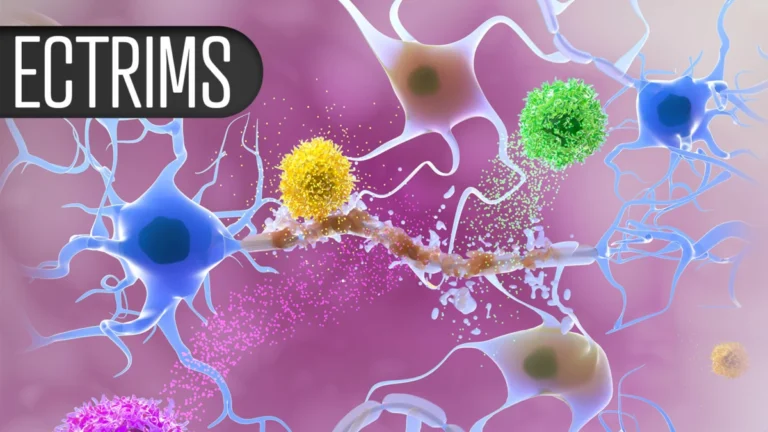
![[Podcast] (Season 2) The Progress Profile: Alzheimer’s Research in Focus](https://imgproxy.divecdn.com/Bbg5h2VlwmDpcbYzJyzE6wOoGVUb_ZzFzgl0g3CWPto/g:ce/rs:fit:770:435/Z3M6Ly9kaXZlc2l0ZS1zdG9yYWdlL2RpdmVpbWFnZS9QZWFyc29uX1RoZV9Qcm9ncmVzc19Qcm9maWxlX1NlYXNvbl8yX1BvZGNhc3RfR3JhcGhpY3NfMDYwOTI2LTAxLnBuZw==.webp)
Ep. 2: Policy, Equity, and the Expanding Dementia Landscape
Moving from the clinical setting to the systemic one, Episode 2 features Dr. Phyllis Ferrell, an investor and innovator in brain health. This episode addresses the uncomfortable reality that scientific progress is useless if it is not accessible. The discussion highlights the role of healthcare policy, regional inequalities in diagnostic availability, and the emerging evidence regarding sex-based differences in cognitive decline. By looking at how Alzheimer’s research can inform the treatment of other neurodegenerative conditions, the episode positions dementia as a central pillar of future geriatric healthcare reform.
Ep. 3: Awareness, Advocacy, and the Ethics of Early Detection
The third installment welcomes Dr. Maria Carrillo of the Alzheimer’s Association. This episode tackles the "double-edged sword" of the current diagnostic revolution. While blood-based diagnostics allow for earlier detection than ever before, they also raise profound ethical questions: What are the psychological impacts of a diagnosis for which there is no cure? How do we combat the stigma and discrimination that still plague neurodegenerative patients? The conversation explores the necessity of robust public health messaging to ensure that early detection is paired with comprehensive, compassionate, and ethical support systems.
Supporting Data and the Evolving Clinical Landscape
The urgency behind these discussions is driven by sobering global data. Alzheimer’s disease and other forms of dementia are among the leading causes of disability and mortality in the aging population. According to recent clinical data highlighted throughout the series, the current transition toward "biomarker-driven" medicine represents the most significant shift in the field since the discovery of the disease itself.
However, the transition is not seamless. The podcast highlights key data points:
- Diagnostic Lag: The gap between the onset of cognitive symptoms and a formal diagnosis remains a major obstacle, often spanning years.
- Trial Demographics: Historically, clinical trials have struggled with a lack of diversity, leading to results that may not be representative of the broader population.
- The Cost of Care: Beyond the drug costs, the indirect costs of dementia—caregiving, loss of productivity, and long-term facility management—are expected to balloon to trillions of dollars annually by the next decade.
The podcast emphasizes that these figures are not just numbers; they represent the economic and personal burden that policy changes must address if we are to move from "managing" the disease to "altering its course."
Official Perspectives: The Push for Systemic Change
The guests featured in The Progress Profile represent a consensus view among top-tier researchers: we are in a "golden age" of Alzheimer’s research, yet the infrastructure for care is lagging behind.
![[Podcast] (Season 2) The Progress Profile: Alzheimer’s Research in Focus](https://d12v9rtnomnebu.cloudfront.net/logo/printer_friendly/biopharmadive.jpg)
Dr. John Harrison’s interviews emphasize that the "new era" of care must be built on a tripod of:
- Early and Accurate Detection: Moving away from cognitive tests alone toward biological markers.
- Multidisciplinary Care Models: Integrating neurologists, social workers, and primary care physicians into a cohesive unit.
- Ethical Implementation: Ensuring that the rush to diagnose does not lead to patient harm or psychological distress without a clear roadmap for intervention.
By inviting figures like Dr. Carrillo and Dr. Ferrell, the series underscores that advocacy is a scientific discipline in its own right. Changing the public perception of Alzheimer’s is deemed just as important as finding the next blockbuster drug, as it reduces the stigma that prevents individuals from seeking the help they need.
Implications: The Path Toward 2030 and Beyond
The implications of the discussions held in The Progress Profile are significant for the pharmaceutical industry, healthcare providers, and policymakers.
For the pharmaceutical industry, the message is clear: the focus must shift from purely targeting beta-amyloid or tau proteins to a holistic view of the patient’s health, including lifestyle, comorbidities, and genetic predisposition. The industry is being pushed to consider the "lived experience" as a core metric for success.
For healthcare systems, the implication is a demand for increased investment in diagnostic screening and geriatric neurology. As the population continues to age, the current capacity for dementia care is projected to be vastly insufficient. The series serves as a clarion call for investment not just in R&D, but in the diagnostic infrastructure that allows for meaningful early intervention.
Finally, for the general public, the podcast provides a critical educational tool. By deconstructing complex scientific jargon into accessible, actionable insights, it empowers families to engage in informed conversations with their physicians.
![[Podcast] (Season 2) The Progress Profile: Alzheimer’s Research in Focus](https://imgproxy.divecdn.com/rkijILrAfVFMHjuDwAqnbyE7_7C2SUnurruEOxmgWTA/g:ce/rs:fill:1200:675:1/Z3M6Ly9kaXZlc2l0ZS1zdG9yYWdlL2RpdmVpbWFnZS9QZWFyc29uX1RoZV9Qcm9ncmVzc19Qcm9maWxlX1NlYXNvbl8yX1BvZGNhc3RfR3JhcGhpY3NfMDYwOTI2LTAxLnBuZw==.webp)
Conclusion
As The Progress Profile progresses, it becomes evident that the fight against Alzheimer’s is entering a phase of increased maturity. The optimism expressed by the guests is tempered by a pragmatic recognition of the difficulties ahead. Through this series, Pearson and BioPharma Dive have created a space for the critical thinking necessary to navigate the complexities of brain health.
As the medical community continues to push the boundaries of what is possible in the clinic, the focus remains firmly on the goal: a future where a diagnosis of Alzheimer’s is no longer a terminal milestone, but a manageable condition that can be identified early and treated with precision. The episodes released to date provide a vital roadmap for anyone—researcher, clinician, or caregiver—looking to understand the forces shaping the future of neurodegenerative medicine.
Listeners are encouraged to explore the full episodes of the series, which are available now, to stay informed on the breakthroughs, policies, and ethical debates that will define the next decade of brain health.